
A Classical Greece Itinerary for 7 Remarkable Days
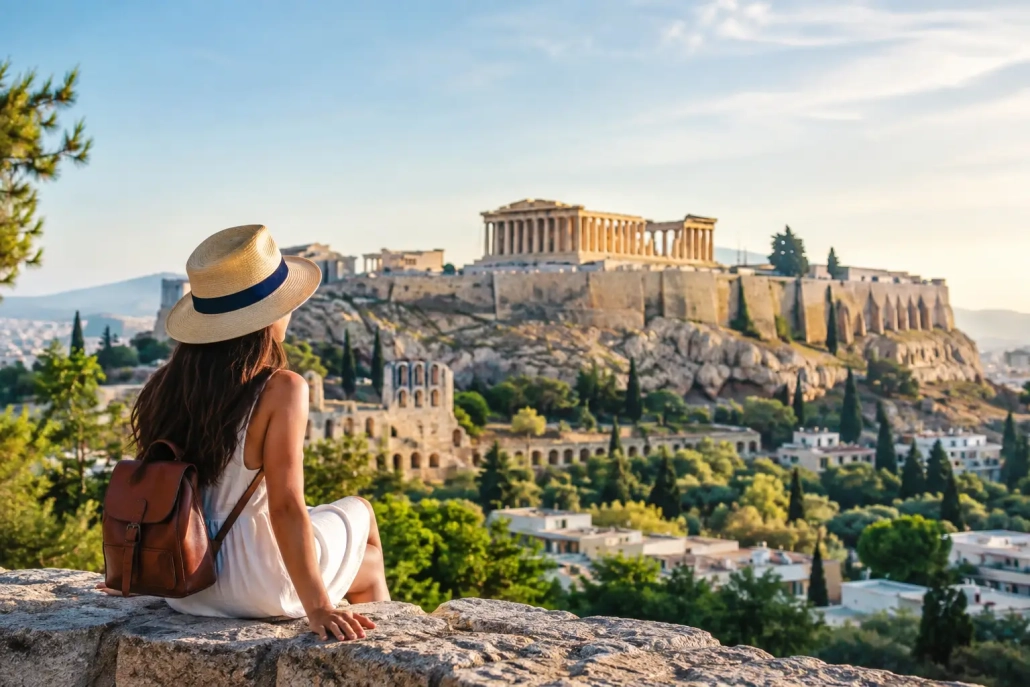
The Acropolis is not simply Athens’ signature view. It is the place where the ideals of fifth-century BC Athens became stone: democracy, civic ambition, artistic confidence, and devotion to Athena. A well-planned classical Greece itinerary should begin here, then follow those ideas beyond the capital to sanctuaries, theaters, athletic grounds, and powerful ancient kingdoms across the Peloponnese and central Greece.
Seven days gives you time to experience these places with context rather than treating Greece as a collection of photo stops. This route is designed for travelers who value comfort, expert insight, and the freedom to adjust the day around their interests. It combines the essential ancient sites with scenic overnight stays, avoiding the exhausting pace of a large bus tour.
Why Seven Days Works for Classical Greece
Athens, the Argolid, Olympia, and Delphi form the most rewarding core route for a first classical journey through mainland Greece. They tell different parts of the Greek story. Athens shows the height of the Classical age; Mycenae reaches further back into the Bronze Age foundations of Greek myth; Olympia reveals the sacred and athletic traditions shared by the Greek city-states; and Delphi brings you to the spiritual center where leaders sought Apollo’s counsel.
A shorter trip can cover Athens and one or two day excursions, but seven days allows for overnight stays in Nafplion, Olympia, and Delphi. Those overnights matter. They turn long drives into a relaxed road journey and leave room for a proper meal, an unhurried museum visit, and a walk through towns that still feel connected to their landscapes.
Day 1: Athens, the Acropolis, and the Ancient Agora
Begin early at the Acropolis, before the strongest heat and the largest crowds. The Parthenon, Erechtheion, Propylaea, and Temple of Athena Nike deserve more than a quick circuit. With an expert licensed guide, details that are easy to miss become meaningful: the optical refinements of the Parthenon, the political purpose of the Acropolis, and the changing uses of the hill from antiquity through the modern era.
Continue downhill to the Ancient Agora, the civic heart of ancient Athens. This is where public life happened – where Athenians debated, traded, served on juries, and encountered the ideas that shaped Western political thought. The remarkably preserved Temple of Hephaestus offers one of the clearest impressions of a complete ancient Greek temple.
Spend the evening in Plaka or beneath the Acropolis in Makrygianni. A private driver can keep the day efficient, particularly for families, cruise guests, or travelers arriving after an overnight flight, while allowing you to set your own pace between visits.
Day 2: Athens Museums and Cape Sounion
Use your second day to give the monuments their proper historical framework. The Acropolis Museum is the natural choice, with its original sculptures, architectural fragments, and galleries that explain how the Acropolis was built and experienced. Travelers with a deeper interest in Greek art and archaeology may prefer to add the National Archaeological Museum, though seeing both in one day can feel rushed.
In the afternoon, travel along the Athenian Riviera to Cape Sounion. The Temple of Poseidon stands high above the Aegean, where sea, mythology, and architecture meet in one unforgettable setting. It is especially appealing near sunset, but timing depends on the season and your preference for a quieter visit versus dramatic golden-hour views.
This is also a sensible day to keep flexible. If jet lag, a delayed flight, or a cruise schedule affects your plans, Cape Sounion can be moved to your final day without disrupting the main route.
Day 3: Corinth, Mycenae, Epidaurus, and Nafplion
Leave Athens for the Peloponnese, beginning with a stop at the Corinth Canal. Although the canal itself is modern, it offers a striking introduction to the narrow isthmus that made Corinth strategically vital in antiquity. Nearby Ancient Corinth preserves the city that controlled trade between mainland Greece and the Peloponnese, with the Temple of Apollo as its defining landmark.
From Corinth, continue to Mycenae. Strictly speaking, Mycenae predates the Classical era by centuries, yet no classical Greece itinerary is complete without it. The Lion Gate, Cyclopean walls, royal tombs, and palace remains provide the mythic background to Homer’s Agamemnon and the Greek world that followed.
The afternoon belongs to Epidaurus, home to the Sanctuary of Asclepius and its celebrated fourth-century BC theater. The theater’s acoustics are impressive, but its significance goes beyond engineering. This was a place of healing, worship, performance, and pilgrimage.
Overnight in Nafplion, one of Greece’s most graceful seafront towns. Its Venetian lanes, harborfront promenade, and views toward the Argolic Gulf provide a welcome contrast to a day among ancient ruins.
Day 4: Nafplion and the Road to Olympia
Do not rush out of Nafplion at dawn. A relaxed morning gives you time to see the old town, stroll the waterfront, or visit Palamidi Fortress if you enjoy a climb and sweeping views. Then travel west through the Peloponnese toward Olympia, with the route chosen according to your preferred pace and any stops you would like to make along the way.
This transfer day is where private travel makes a real difference. Public transportation between archaeological centers is possible but time-consuming, while fixed group schedules leave little room for a village lunch or an unscheduled scenic pause. A premium Mercedes vehicle, experienced local driver, and transparent plan make the road portion part of the experience rather than a logistical hurdle.
Arrive in Olympia with time for dinner and a restful evening. The small modern town is straightforward and welcoming, and an overnight here lets you visit the sanctuary early the next morning.
Day 5: Ancient Olympia and a Scenic Drive to Delphi
Ancient Olympia was not a city-state in the usual sense. It was a Panhellenic sanctuary, where Greeks from rival communities gathered to honor Zeus and compete in the games that began in 776 BC. Walk through the Altis to see the Temple of Zeus, once home to one of the Seven Wonders of the Ancient World, the Temple of Hera, the training grounds, and the original stadium.
The Archaeological Museum of Olympia is essential. Its sculptural pediments and the statue of Hermes by Praxiteles help visitors understand the artistic sophistication that ruins alone cannot fully convey.
After lunch, continue north toward Delphi. This is one of the longer drives of the route, so it is best approached realistically. Travelers who want more time at Olympia can add an eighth day; those comfortable with a scenic afternoon transfer will find the journey rewarding, especially as the landscape shifts toward the mountains of central Greece.
Overnight in Delphi or nearby Arachova. Arachova has a livelier mountain-village atmosphere, while Delphi places you closer to the archaeological site. The better choice depends on whether you prioritize evening dining options or an early start among the ruins.
Day 6: Delphi, the Sanctuary of Apollo
Delphi was considered the navel of the ancient world. Kings, generals, and city-state representatives came to consult the oracle of Apollo, bringing offerings that turned the sanctuary into a display of wealth, rivalry, faith, and diplomacy.
Visit the Sacred Way, the Temple of Apollo, the Athenian Treasury, the theater, and the stadium. The setting on the slopes of Mount Parnassus is as powerful as the monuments themselves, looking across the olive groves of the Pleistos Valley toward the Corinthian Gulf. The Delphi Archaeological Museum completes the visit, particularly through the Charioteer of Delphi and the Sphinx of Naxos.
Return to Athens in the afternoon or evening. The drive generally takes around three hours without extended stops, making this a comfortable final transfer when handled privately. Timeless Athens Tours can tailor the return around a late flight, a hotel check-in, or a final dinner reservation in Athens.
Day 7: Choose Your Final Athens Experience
Your last day should reflect what has captured your interest during the week. Art lovers may want more time at the National Archaeological Museum. Travelers fascinated by civic life can explore Kerameikos, the ancient cemetery, and nearby neighborhoods with fewer crowds than the Acropolis area. Families may prefer a relaxed morning of shopping, a Greek cooking experience, or a coastal lunch before airport transfer.
If your flight leaves later in the day, Cape Sounion is an excellent final outing. If you are departing from Piraeus after a cruise extension, allow generous time for port transfer rather than risking a tight schedule. Greece rewards curiosity, but it also rewards sensible timing.
Planning Your Classical Greece Itinerary Well
The best months for this route are generally April through early June and September through October, when temperatures are more comfortable for outdoor sites and roads are less busy than peak summer. July and August remain possible, but early departures, shaded breaks, and a vehicle with strong air conditioning become particularly valuable.
For most travelers, a private guide is most beneficial at the major archaeological sites, while a professional driver provides comfort and local knowledge between destinations. Some visitors prefer a driver-guide throughout; others choose licensed guides in Athens, Olympia, and Delphi for more detailed interpretation. There is no single right arrangement – it depends on how deeply you want to study the sites and how independently you enjoy exploring.
Pack shoes with reliable grip, sun protection, a refillable water bottle, and a light layer for Delphi, where mountain weather can be cooler than Athens. Most importantly, resist the urge to add Meteora, Santorini, or too many islands to this seven-day route. They are exceptional destinations, but they deserve their own time. A carefully paced mainland journey lets Classical Greece speak in full sentences, not hurried fragments.
When you stand in Delphi’s mountain silence or on the worn starting line at Olympia, leave a little space in the schedule. The most memorable moments in Greece are often the ones no itinerary can fully predict.


Leave a Reply
Want to join the discussion?Feel free to contribute!