The Acropolis is not a museum to admire from a distance – it is the hill where children can look up at the Parthenon, hear stories of Athena, and see ancient Athens take shape before them. So, can children enter Acropolis? Absolutely. Families are welcome, and a thoughtfully planned visit can be one of the most memorable parts of an Athens vacation.
The key is to approach it as a real archaeological site rather than a quick photo stop. The climb includes uneven ancient stone, sun exposure, and crowds at peak hours. With the right timing, sensible footwear, and a pace built around your children, the Acropolis can feel exciting rather than exhausting.
Can Children Enter Acropolis Without Restrictions?
Children may enter the Acropolis with their parents or guardians. There is no minimum age, and young visitors are a familiar sight throughout the site. Babies, toddlers, school-age children, and teenagers can all visit, provided the adults traveling with them supervise them closely.
The important distinction is between being allowed to enter and finding the visit comfortable. The pathways leading to the summit are sloped and, in places, polished by centuries of use. Marble becomes particularly slippery when wet. Protective barriers are present in many areas, but this is not an enclosed attraction where children can run ahead safely.
Families should keep little ones close, especially around stairs, changes in elevation, and crowded points near the Propylaea entrance and Parthenon viewing areas. A child carrier is often more practical than a stroller for infants and toddlers. Compact strollers can be difficult to maneuver on the hill, and access may be restricted on some routes because of the terrain and preservation requirements.
Tickets for Children at the Acropolis
Admission policies for children depend on age, nationality, and current Greek Ministry of Culture rules. As a general guide, children and young people from European Union countries may qualify for complimentary admission up to a specified age, while visitors from outside the EU may be eligible for free or reduced admission depending on their age category. Proof of age or identity, such as a passport or official ID, may be requested.
Because ticket regulations and seasonal arrangements can change, it is wise to confirm the current policy before your visit rather than relying on an old travel forum or screenshot. Bring identification for children who may qualify for a discount or free entry. This can prevent delays at the ticket office, particularly during busy summer mornings and cruise-ship days.
A timed-entry ticket is usually the best choice for families. It gives your day a clear structure and reduces the possibility of standing in a long line with tired children in the heat. If you are visiting Athens on a short stay or arriving from Piraeus Port, that saved time matters.
The Best Time to Visit With Kids
For most families, the first available morning entry is ideal. The temperatures are lower, the light is beautiful, and children generally have more energy. You will also be ahead of many large tour groups, which makes the walk through the gates and the first view of the Parthenon feel far more relaxed.
Late afternoon can also work well outside the hottest months, especially for older children who have had a restful morning. However, do not leave the visit too close to closing time. The Acropolis deserves unhurried time, and staff begin encouraging visitors toward the exit before the official closing hour.
From roughly June through September, midday heat can be intense. There is very limited shade once you are on the rock. In these months, plan for an early entry, carry water, apply sunscreen before arriving, and bring hats. A quick visit may sound easier, but rushing hot and thirsty children uphill usually makes the experience harder for everyone.
How Long Should a Family Allow?
Most families should allow 90 minutes to two hours for the Acropolis itself. This gives enough time to reach the summit at a child-friendly pace, stop at key monuments, take photographs, and enjoy the panoramic views over Athens without turning the visit into an endurance test.
Very young children may be ready to leave sooner, while older children with an interest in mythology, architecture, or ancient history can easily spend longer. The best private experience does not force every family into the same schedule. A flexible guide can adjust the storytelling, find a quieter place for a short break, and focus on the details that hold your children’s attention.
For many visitors, the Acropolis Museum is an excellent companion to the hill, either before or after the site. It adds context and offers a more comfortable indoor setting. Still, avoid overloading one day. Combining the Acropolis, Museum, Ancient Agora, Plaka, and a long restaurant lunch may be enjoyable for adults but too demanding for smaller travelers.
Make Ancient Athens Meaningful for Children
The Acropolis becomes much more engaging when children understand that it was built for people, ceremonies, debates, and stories – not simply as an old collection of columns. Before the climb, introduce one or two ideas they can look for: Athena’s contest with Poseidon, the giant statue of Athena that once stood on the hill, or the Caryatids, the carved female figures supporting the Erechtheion.
Keep the stories short and visual. Ask children to spot the olive trees, imagine a festival procession, or compare the size of the Parthenon with buildings at home. Teenagers often respond well to the larger questions: How did ancient builders move marble uphill? Why has the Parthenon survived wars, changing religions, and nearly 2,500 years of weather?
A licensed guide is particularly valuable for families because good interpretation is not about reciting dates. It is about reading the group. One family may want mythology and photo stops; another may have a history-loving 12-year-old who wants to hear about democracy, Persian Wars, and restoration work. A private tour allows the experience to follow your family’s curiosity.
Practical Family Tips for the Acropolis
Wear closed-toe shoes with good grip. Sandals may be fine for some adults, but athletic shoes are safer for active children on smooth stone. Pack water for every traveler, along with sunscreen, hats, and a small snack for after the visit. Food restrictions may apply within the archaeological site, so do not plan on a picnic at the summit.
Use the restroom before beginning the climb. Facilities are limited compared with a modern attraction, and a sudden bathroom emergency is not the moment to be halfway through the site. If your child needs regular snacks, medication, or frequent breaks, factor that into your pace from the start.
The Acropolis has accessibility provisions, including an elevator route for visitors with mobility needs, although operational conditions and advance arrangements can vary. Families traveling with a wheelchair user, a guest with limited mobility, or a child with a medical condition should plan ahead. A private driver and guide can help coordinate a realistic route and avoid unnecessary walking before and after the visit.
Pair the Visit With a Comfortable Athens Day
The walk to the Acropolis is only one part of the day. Families staying outside central Athens, arriving on a cruise ship, or traveling with grandparents often appreciate door-to-door transportation. A premium vehicle offers a cool place to regroup, leave nonessential items safely behind, and move efficiently to the next stop without navigating unfamiliar streets in the heat.
Timeless Athens Tours can arrange a private Athens experience that combines comfortable transportation with a licensed guide who knows how to bring the site to life for every age. It is a practical choice when time is limited, but it also gives families the freedom to slow down when a child needs a break or stay longer when a story captures everyone’s imagination.
The Acropolis is not a place children need to wait until they are older to appreciate. Let them climb carefully, ask unexpected questions, and stand beneath the Parthenon with time to look around. Years later, that view over Athens may be the detail they remember most.
https://www.athenstours.gr/wp-content/uploads/2026/10/can-children-enter-acropolis-a-family-guide-featured.webp10241536Timeless Athens Tourshttps://www.athenstours.gr/wp-content/uploads/2018/01/Timeless-2018.pngTimeless Athens Tours2026-10-17 04:54:422026-10-17 11:56:42Can Children Enter Acropolis? A Family Guide
The Acropolis is not a monument you should rush through with one eye on a map and the other on the clock. It is a steep, sunlit hill where the Parthenon, the Erechtheion, the Propylaea, and the Temple of Athena Nike reveal different chapters of Athens at every turn. This Acropolis tour review looks at whether a private guided visit is worth choosing, particularly for travelers with limited time, families, cruise schedules, or a wish to understand more than the view.
For many visitors, the answer is yes – but not because a private tour simply feels more exclusive. The real value is context, pace, and practical ease. A skilled licensed guide can turn weathered marble and distant ruins into a coherent story of democracy, mythology, architecture, war, and restoration. A private driver and comfortable vehicle can also make the beginning and end of the visit considerably easier in a busy city.
Acropolis Tour Review: What a Private Visit Changes
The Acropolis is manageable on your own, especially if you enjoy researching history beforehand and are comfortable navigating Athens independently. Timed entry has made access more structured than it once was, and the main path is clearly marked. Still, independent visitors often spend much of their visit asking the same questions: Which building am I looking at? Why is part of it new? Where is the best viewpoint? How does this relate to the ancient Agora or the Acropolis Museum below?
A private guided tour answers those questions in the moment, and it adapts to what interests you. A family with teenagers may want the mythology behind Athena and Poseidon, along with time for photographs. A couple interested in art and architecture may prefer a closer look at the Parthenon’s visual refinements, the Caryatids, and the long debate around conservation. Cruise guests may need an efficient route that accounts for the drive from Piraeus and a firm return time to the ship.
That flexibility matters because no two visits feel the same. Summer heat, a crowded entrance, mobility needs, and a late-arriving flight can all affect the ideal plan. Unlike a large bus group, a private experience can adjust the order of the day without leaving guests behind or forcing them to follow a fixed script.
The difference is storytelling, not just transportation
The Parthenon can be admired in silence, but its meaning becomes richer when its design is explained. A knowledgeable guide can point out why its columns appear straight even though they are subtly curved, how its sculptures communicated civic identity, and why the building has served different purposes over nearly 2,500 years. These details give the site weight without turning the experience into a lecture.
The same is true of the Erechtheion. Many visitors recognize the Porch of the Caryatids from photographs. Fewer realize that the building brings together several sacred traditions in one unusual design, including the contest between Athena and Poseidon for the patronage of Athens. Good guiding connects such stories to the landscape in front of you.
For travelers who already know Greek history well, the benefit is more selective. Request a thematic focus – classical architecture, archaeology, mythology, women in ancient Athens, or the modern restoration program. A private tour should not feel like a standard presentation delivered to every guest.
What to Expect From the Experience
A well-planned private Acropolis visit typically begins with hotel, airport, or port pickup in a premium air-conditioned vehicle. This is especially valuable from late spring through early fall, when walking long distances before reaching the entrance can drain energy before the tour has properly begun. Private transportation also gives you a secure place for items you do not need at the archaeological site.
At the Acropolis, expect uneven stone surfaces, gradual and sometimes steep inclines, and little shade at the summit. The main route is accessible to many visitors, but it is not effortless. Wear shoes with grip rather than smooth sandals, bring water, and use sun protection even on days that begin pleasantly cool. In winter, rain can make the ancient paving slippery.
Your guide should set a sensible pace and explain where breaks are most useful. That small act of care makes a meaningful difference for multigenerational families, travelers recovering from jet lag, and guests visiting Athens during a short shore excursion. The aim is not to race to the Parthenon, take one photo, and leave. It is to see the essential monuments without exhausting the day.
Admission policies, timed-entry requirements, and opening hours can change, so confirm the current arrangements before booking. In many cases, site tickets are separate from the guiding and transportation service. Transparent pricing should make that clear from the start, along with what is included, how long the tour lasts, and whether museum entry or additional Athens stops are part of the itinerary.
The Acropolis Museum can make the visit stronger
Pairing the hill with the Acropolis Museum is often the best choice for first-time visitors. On the Acropolis, you understand the monuments in their original setting. In the museum, you can see sculptures, architectural fragments, and everyday objects at eye level, protected from weather and displayed with helpful interpretation.
This combination is particularly worthwhile in high heat or for guests who want a more complete historical narrative. It does require more time, usually turning a focused monument visit into a substantial half-day experience. If your ship departs early or you have only a few hours between flights, prioritize the Acropolis itself and discuss a realistic schedule with your tour planner.
Is a Private Acropolis Tour Worth the Cost?
Private touring costs more than buying an entry ticket and joining a large group. That is the trade-off, and it should be considered honestly. For a solo traveler on a flexible schedule, a shared walking tour may offer excellent value. For travelers who mainly want photographs and a short visit, self-guiding can also be enough.
The calculation changes for couples, families, and small groups. The cost is shared, the itinerary is built around your priorities, and the transport can remove several points of friction: finding a taxi, understanding pickup points, managing luggage, and returning to a hotel or cruise terminal on time. The difference is especially clear when Athens is only one stop on a broader Greek itinerary and every hour counts.
Private service is also a better fit when comfort is part of the trip you have planned. A premium Mercedes vehicle, professional local driver, and licensed guide create a calmer rhythm between major sights. Rather than treating transportation as dead time, use the drive to learn about modern Athens, identify neighborhoods for dinner, or decide whether to add the Temple of Olympian Zeus, Panathenaic Stadium, Plaka, or Lycabettus Hill.
Timeless Athens Tours designs private itineraries around that principle: historical depth with practical care. The strongest experience is not necessarily the longest one. It is the one that leaves enough room to absorb what you have seen.
Who Benefits Most From Private Guiding?
Cruise passengers are among the clearest beneficiaries. Piraeus is not beside the Acropolis, and ship schedules leave little room for missed connections. Private pickup, a planned route, and a clear return plan reduce uncertainty while allowing time for the landmark that most visitors came to Athens to see.
Families also gain from having a guide who can adjust the conversation and the pace. Children do not need a university-level lecture to engage with ancient Greece. Stories of gods, heroes, competitions, and clever engineering can make the site immediate, while adults still receive the historical depth they expect.
Travelers with mobility concerns should ask direct questions before reserving. A private tour can offer a gentler pace and vehicle support, but ancient sites have real physical limitations. The Acropolis has an elevator for visitors with qualifying mobility needs, subject to operational conditions, and arrangements should be discussed well in advance. Honest planning is far better than promising an effortless visit where the terrain cannot support one.
How to Get More From Your Morning on the Acropolis
Book an early entry whenever possible. The light is softer, temperatures are lower, and the hill generally feels less crowded than it does later in the day. Early timing is not a guarantee of solitude, particularly in peak season, but it improves the experience substantially.
Tell your guide what you care about before the day begins. Mention if you are passionate about mythology, traveling with young children, celebrating an anniversary, using a wheelchair, arriving from a cruise ship, or hoping to combine the Acropolis with a food-focused afternoon. These details are what transform a private tour from a standard itinerary into a personal experience.
Finally, leave a little unplanned time after the visit. Sit for a coffee in Plaka, walk through Anafiotika, or enjoy lunch with the Acropolis still in view. The hill has stood above Athens for millennia. It deserves more than a checkmark on a schedule – and the right tour gives you the confidence to experience it at a pace you will remember.
The difference between a memorable Acropolis visit and a hot, crowded climb often comes down to one decision made before you leave your hotel: your Acropolis ticket timing. The citadel is Athens’ essential landmark, but it is also an open-air archaeological site with timed entry, security screening, steep marble paths, and very little shade. Choose your entry hour carefully and you will have more room to look up at the Parthenon, listen to your guide, and take the photographs you came to Greece for.
The Acropolis operates with timed-entry admission. Your ticket is connected to a designated entry slot, not simply the date of your visit. Arriving much earlier does not necessarily mean you can enter earlier, and arriving late can create unnecessary stress when you have a restaurant reservation, cruise departure, or airport transfer later in the day.
Timing also shapes the experience once you are inside. The Acropolis is one of Europe’s most visited sites, and visitor levels rise quickly after breakfast hours. From late spring through early fall, heat adds another consideration. The exposed summit can feel far warmer than the temperature reported in central Athens, especially between late morning and mid-afternoon.
For families, older travelers, and anyone working with limited time, a thoughtfully planned visit is not a luxury. It is the practical way to see an extraordinary monument without letting crowds, heat, and logistics take over the day.
The best time for Acropolis tickets
For most visitors, the first available entry of the day is the strongest choice. Early morning brings cooler air, softer light, and a more comfortable pace on the approach to the Propylaea, the monumental gateway to the sacred rock. You will still share the site with other travelers, but the busiest tour groups and late-arriving visitors are less likely to have filled the paths.
An entry in the final two hours before closing can also be appealing, particularly during warmer months. The afternoon light becomes gentler and daytime crowds may begin to thin. There is, however, a trade-off: if you enter too close to closing time, you may feel rushed. The Acropolis deserves more than a quick circuit around the Parthenon, particularly if you want to see the Erechtheion, the Temple of Athena Nike, the Theater of Dionysus, and the views across Athens.
Midday is usually the least comfortable option from May through September. It can be the right choice only when your schedule leaves no alternative, such as a short cruise call at Piraeus or a tightly timed flight connection. In that case, bring water, wear shoes with good grip, use sun protection, and keep your itinerary flexible after the visit rather than planning another demanding walk immediately afterward.
A simple rule by season
In summer, reserve the earliest practical slot. Athens can be intensely sunny, and even travelers accustomed to warm weather are surprised by the heat reflected from the stone.
In spring and fall, early morning remains ideal, while late afternoon becomes a very good alternative. These seasons offer the best balance of pleasant temperatures and daylight, though popular dates around Easter, school breaks, and major events can still be busy.
In winter, crowds are generally lighter and midday can be perfectly comfortable. Shorter daylight hours and occasional rain are the main factors to consider. A morning or early afternoon entry gives you time to adapt if weather conditions change.
How much time to allow at the Acropolis
Allow at least 90 minutes inside the archaeological site if you are visiting independently. Two hours is more realistic if you enjoy photography, want to pause at each monument, or are walking with children or guests who prefer a relaxed pace. Add time for the approach, security screening, restrooms, and the walk down afterward.
A guided Acropolis experience often takes around two hours, depending on your group and level of historical interest. The value of a licensed guide is not just efficiency. The Parthenon is far more compelling when its architecture, political purpose, religious role, and survival through centuries are explained in context. You also gain help navigating the route at a comfortable pace.
If you plan to visit the Acropolis Museum on the same day, avoid scheduling both sites back-to-back without a break. The museum is close by, but it is rich enough to deserve your attention. A morning Acropolis entry followed by lunch in the Plaka or Makrygianni area, then an afternoon museum visit, works well for many private groups.
Do not confuse entry time with pickup time
This is a frequent planning mistake. If your ticket is for 9:00 a.m., that should be your anticipated arrival at the entrance area, not the time your vehicle leaves the hotel. Allow for Athens traffic, the walk from your drop-off point, and security procedures.
Cruise passengers need particular care here. Piraeus is close to Athens by map, but port disembarkation, traffic, and the return journey require a sensible buffer. A private shore excursion with pre-arranged transportation can make the day far more predictable, but your driver and guide should know your all-aboard time before tickets are selected.
Choosing the right entry slot for your itinerary
Your Acropolis ticket timing should fit the rest of your Athens day, not exist in isolation. An early entry pairs naturally with a panoramic Athens city tour afterward, when you can travel in air-conditioned comfort to landmarks such as the Temple of Olympian Zeus, Panathenaic Stadium, Syntagma Square, and Lycabettus Hill.
If you are staying near the Acropolis or in the Plaka, an early morning visit followed by a walking day is excellent. If you are arriving from Piraeus, Athens International Airport, or a hotel on the coast, consider whether a later entry gives you a safer travel window. A perfectly timed ticket is not helpful if the journey to reach it turns the morning into a race.
Private travelers have an advantage because the day can be built around their priorities. Timeless Athens Tours can coordinate a private vehicle, a licensed guide, and a realistic route so the Acropolis feels like the centerpiece of your day rather than one more appointment to manage. This is especially valuable for multigenerational families, small groups with different walking speeds, and visitors with a fixed departure schedule.
Book ahead, but keep expectations realistic
Advance booking is strongly recommended for high-demand dates, especially from April through October, on weekends, and during major holiday periods. The earliest entries and convenient morning slots are usually the first to go. Booking ahead gives you control, but it does not eliminate the need to arrive prepared.
Carry the ticket confirmation in an accessible format, check the current opening hours before your visit, and review any site notices that may affect operations. Archaeological sites can adjust schedules for extreme weather, public holidays, strikes, or special circumstances. Opening times may also change between summer and winter seasons.
Be cautious about trying to schedule the Acropolis immediately after an international arrival. Jet lag, baggage delays, immigration lines, and hotel check-in can make even a generous plan unreliable. If the Acropolis is a priority, choose the following morning whenever possible. You will see more, understand more, and enjoy Athens more fully.
What to do if your preferred time is unavailable
If the first entry is sold out, look for another morning slot before moving to the afternoon. An 8:00, 9:00, or 10:00 a.m. entry can all work well, depending on the season. If only midday times remain, shape the rest of the day around comfort: use private transportation, schedule lunch afterward in a shaded setting, and save indoor attractions for the hottest hours.
Avoid purchasing a ticket for a time you cannot realistically reach. It is better to choose a slightly less ideal slot that fits your hotel location, cruise timetable, and group pace than to spend the morning anxious about missing entry. The Acropolis has stood for nearly 2,500 years. It rewards visitors who give it time and attention, not those who try to squeeze it between impossible commitments.
The best Acropolis visit begins before you step onto the ancient path. Reserve an entry hour that lets you arrive calm, well prepared, and ready to look beyond the crowds toward the city, the sea, and the long Greek story beneath your feet.
https://www.athenstours.gr/wp-content/uploads/2026/08/acropolis-ticket-timing-best-hours-to-visit-featured.webp10241536Timeless Athens Tourshttps://www.athenstours.gr/wp-content/uploads/2018/01/Timeless-2018.pngTimeless Athens Tours2026-08-28 06:27:562026-11-06 20:32:29Acropolis Ticket Timing: Best Hours to Visit
The Acropolis is not a place children need to endure before the fun begins. For most families, it becomes the moment Athens turns from a name in a history book into something real: a hill above the city, a temple built for Athena, and stories of gods, heroes, and ancient athletes told where they happened. The right Acropolis tour for families makes that experience engaging without asking young travelers to keep pace with a large group or stand in the midday heat.
A private visit gives parents the freedom to move at their family’s speed. There is time for water, photos, questions, and the occasional pause when little legs need a break. Just as importantly, a knowledgeable licensed guide can turn marble ruins into a story children can follow, while giving adults the historical depth they came to Greece to find.
Why a Private Acropolis Tour Works for Families
The Acropolis is magnificent, but it is also a hill with uneven stone paths, exposed areas, stairs, and very limited shade. It is not the place to arrive with a rigid schedule, an overlong lecture, or the expectation that every child will be interested in every architectural detail.
Private touring changes the rhythm. Your guide can focus on the Parthenon, the Theater of Dionysus, the Erechtheion, and the Temple of Athena Nike without trying to cover every monument at the same pace as a bus group. If your children are fascinated by Greek mythology, the conversation can center on Athena and Poseidon’s contest for Athens. If they are older and studying ancient history, the guide can explain democracy, theater, and the Persian Wars in greater detail.
Parents also gain practical control. A private driver and premium Mercedes vehicle mean you are not navigating Athens traffic, searching for parking, or walking long distances before the actual visit begins. Pick-up can be arranged from your hotel, residence, airport-area accommodation, or Piraeus cruise terminal, depending on your itinerary. This is particularly valuable after an overnight flight or during a short port day, when every hour matters.
Choose the Right Time for an Acropolis Tour for Families
An early morning start is often the best choice, especially from late spring through early fall. The air is cooler, the light is beautiful, and children are usually at their most patient before lunch. It also gives your family the option to continue with the Acropolis Museum, a relaxed meal, or other Athens highlights afterward.
A later afternoon visit can work well in cooler months or for families who prefer an unhurried morning. The trade-off is that popular days may still be busy, and site operating hours vary by season. A private itinerary should be built around current opening hours, your children’s ages, and whether the Acropolis is the only major stop of the day.
Summer deserves a realistic plan. Athens can be intensely hot, and the Acropolis has little natural cover. This does not mean families should skip it. It means choosing an early time slot, carrying water, wearing sun protection, and keeping the day balanced. A comfortable vehicle waiting nearby and a guide who knows how to pace the route are meaningful advantages, not small luxuries.
What Children Actually Remember
Children rarely remember dates as clearly as they remember a great story. A skilled family-focused guide will not simply point at the Parthenon and recite measurements. They may ask who Athena was, why she became the city’s protector, or how people carried enormous blocks of marble up this hill more than 2,400 years ago.
The setting does much of the work. From the Acropolis, families can see modern Athens spread in every direction, with hills, neighborhoods, and distant mountains beyond it. That view helps children understand that this was never an isolated monument. It was the sacred and civic heart of a living city.
For younger children, a visit of roughly 60 to 90 focused minutes on the hill is often more rewarding than trying to cover every detail. Teenagers and history-loving adults may want longer, particularly when the Acropolis Museum is included. There is no single correct length. The best experience is one that leaves your family curious rather than exhausted.
Make mythology part of the day
Greek mythology provides a natural bridge between ancient ruins and young imaginations. Athena’s olive tree, Poseidon’s trident, the birth of Athena, and the legends represented in the Parthenon’s sculptures all create memorable reference points.
That does not require turning the tour into a costume performance. The strongest guides know when to make a story vivid and when to explain the evidence behind it. Families get both the magic of mythology and an honest understanding of the civilization that created these monuments.
Plan for Comfort Before You Reach the Hill
Good preparation keeps a special visit from becoming a stressful one. Closed-toe shoes with grip are preferable to sandals on polished, uneven stone. Bring refillable water bottles, hats, sunscreen, and a light snack for after the site. Strollers are generally impractical on the Acropolis, so families with very young children should consider a carrier.
It is also wise to set expectations. Tell children they are visiting a real ancient hill, not a theme park, and let them know there will be walking and steps. In return, promise them room to ask questions and a stop for a favorite Greek treat afterward. A simple plan helps everyone arrive in a better mood.
Mobility needs should be discussed before booking. The Acropolis has an accessible route and elevator arrangements in certain circumstances, but access can be affected by weather, maintenance, and site operations. Families traveling with a wheelchair user, a guest with limited mobility, or a child who tires easily benefit from advance planning and a flexible alternative route.
Pair the Acropolis With the Right Athens Stops
The Acropolis can be a complete half-day experience, especially with the museum. The museum adds context that is difficult to absorb outdoors: original sculptures, models of the hill, and galleries that show how the monuments changed over centuries. For children who enjoy visual learning, it can make the site above feel more tangible.
If your family has energy for a broader private Athens day, combine the Acropolis with a scenic drive past the Panathenaic Stadium, the Temple of Olympian Zeus, Syntagma Square, and the changing of the guard. The route should remain flexible. A family with a curious 12-year-old may enjoy several landmarks, while a family traveling with a preschooler may prefer the Acropolis, lunch, and a leisurely walk through Plaka.
Cruise passengers from Piraeus need especially careful timing. A private shore excursion can coordinate port pick-up, the Acropolis visit, and a reliable return to the ship, while avoiding the uncertainty of large coach schedules. Timeless Athens Tours can tailor that day with private transportation, a licensed guide, and a pace that works for your group rather than a crowd.
Give Each Generation a Role
Multigenerational travel is one of the best reasons to choose a private experience. Grandparents may want historical context and comfortable transport. Parents often need efficient logistics. Children need stories, movement, and permission to be curious. A well-designed itinerary respects all three without making anyone feel rushed or left behind.
Before the tour, ask each family member to choose one thing they want to see or learn. One child might choose the Parthenon, another might want to hear about Greek gods, and an adult might want time for photographs. Your guide can use those preferences to make the visit feel personal from the first stop.
Athens rewards families who allow a little room for wonder. Walk up the sacred hill early, listen for the stories behind the stones, and leave enough time afterward for a cold drink, a plate of souvlaki, and your children’s own version of what they think happened there.
https://www.athenstours.gr/wp-content/uploads/2026/07/acropolis-tour-for-families-made-easy-in-athens-featured.webp10241536Timeless Athens Tourshttps://www.athenstours.gr/wp-content/uploads/2018/01/Timeless-2018.pngTimeless Athens Tours2026-07-15 08:57:472026-11-01 17:30:37Acropolis Tour for Families Made Easy in Athens
By 9:00 a.m., the Acropolis can already feel crowded, hot, and rushed. If you are wondering how to tour Acropolis privately, the real advantage is not just skipping the group-tour pace. It is seeing one of the world’s most important monuments with space to think, time to ask questions, and a plan built around your schedule instead of someone else’s.
A private Acropolis experience does not mean you will have the site completely to yourself. The Acropolis is a public archaeological landmark, so no standard daytime visit gives one party exclusive access to the hill. What private means in practice is private transportation, a private licensed guide, pre-arranged timing, and an itinerary shaped around your interests. That difference matters more than most first-time visitors expect.
What a private Acropolis tour really includes
When travelers search for how to tour Acropolis privately, they are usually looking for one of two things. Some want total privacy and imagine a closed-door monument visit. Others want a more personal alternative to a bus tour. The second option is the realistic and valuable one.
A proper private tour usually includes a dedicated driver or vehicle, a licensed guide for the archaeological site, and a flexible schedule. You are not waiting for late arrivals, following a flag through a crowd, or cutting short your visit because a large group needs a restroom stop. You move at your own rhythm, whether that means a focused 90-minute Acropolis visit or a broader half-day Athens experience that also includes the Acropolis Museum, the Temple of Olympian Zeus, or a scenic drive through the city.
For families, couples, cruise passengers, and small groups, this format is often the most efficient use of limited time. It is also the best way to turn a famous landmark into a meaningful experience rather than a checkbox.
How to tour Acropolis privately without wasting time
The best private tours are won or lost before you even arrive at the entrance. Timing, ticket planning, and transportation are what separate a smooth visit from a stressful one.
Start early if you want comfort
If your schedule allows it, go early in the morning. This is usually the best choice for cooler temperatures, softer light, and lighter foot traffic. The Acropolis sits exposed on a rocky hill, and shade is limited. In summer, a late-morning climb can feel much harder than visitors expect.
An early start is especially useful for families with children, older travelers, and cruise guests with a fixed return time. It can also help photographers and history lovers who want a calmer atmosphere for taking in details of the Parthenon, the Erechtheion, and the Propylaea.
Late afternoon can also work, particularly outside peak summer heat. The trade-off is that site hours and seasonal daylight matter, and the monument may still be busy depending on the day.
Book tickets in advance
Even with a private guide and driver, entrance procedures still apply. A private tour does not automatically mean on-the-spot entry. Pre-booked tickets are one of the simplest ways to protect your day.
This is where many travelers misunderstand the difference between private and independent. Doing it alone may seem easy at first, but availability, timed entry, and seasonal demand can create problems quickly. A well-organized private tour helps you coordinate all the moving parts in advance, so you are not standing outside the site trying to solve logistics on your phone.
Choose private transportation if your day is tight
If you are staying in central Athens, you can absolutely reach the Acropolis on foot or by taxi. But if your goal is a premium, low-stress day, private transportation adds real value. It matters even more for cruise passengers arriving at Piraeus, travelers with mobility concerns, families with strollers, or anyone combining the Acropolis with several other stops.
A private vehicle gives you a clean start and finish to the experience. You are picked up on time, dropped as close as practical, and collected again without uncertainty. For many visitors, especially after a long flight or during a one-day stop in Athens, that convenience is not a luxury. It is the reason the day works.
Why a licensed guide changes the experience
The Acropolis is visually impressive even without explanation. But without context, many visitors leave with photos and only a partial understanding of what they actually saw.
A licensed guide helps you read the site properly. You begin to understand why the Parthenon was designed the way it was, what made the Erechtheion so unusual, how the Acropolis connected to Athenian democracy, and why the monuments still shape the Western imagination. Good guiding also means pacing. You stop where the story is strongest, not where a crowd happens to pause.
This is one of the biggest reasons private touring is worth it. In a group, questions are limited and the commentary has to suit everyone. In a private setting, the conversation can follow your interests. Some travelers want mythology and architecture. Others want politics, warfare, religion, or daily life in ancient Athens. A private guide can adjust in real time.
That flexibility is especially valuable for repeat visitors. If you have already seen the Acropolis once, a second private visit can focus more deeply on interpretation, restoration history, or the relationship between the hill and the museum below.
How to tour Acropolis privately as a cruise passenger
If you are arriving at Piraeus for only a few hours, your private tour should be built backward from your ship’s schedule. This is not the day for guesswork.
Start with a confirmed pickup, direct transport from port to Athens, and a realistic visit length. Traffic, security checks, and seasonal crowd levels all affect timing. Cruise passengers often make the mistake of trying to fit in too much. The smarter approach is to prioritize the Acropolis and then add one or two nearby highlights if time allows.
A private tour makes that easier because the itinerary can shift as the day unfolds. If disembarkation runs late, a professional driver and guide can adjust where possible. If everything moves smoothly, you may have time for the Acropolis Museum, a drive past Syntagma Square, or a brief stop in Plaka. The key benefit is control.
Private does not always mean the same thing for every traveler
There is no single perfect way to plan a private Acropolis visit because traveler needs differ.
Couples often want a quieter, more immersive experience with time for views, photos, and a relaxed meal afterward. Families usually need practical pacing, clear storytelling, and smooth transport. Multigenerational groups may need shorter walking segments and closer attention to comfort. Business travelers and layover guests usually care most about efficiency and reliability.
That is why tailor-made planning matters. The right private tour should fit your travel style, not force you into a standard script. Timeless Athens Tours is built around that idea, offering private guiding and transportation that help visitors experience Athens with comfort, historical depth, and clear fixed pricing.
What to ask before booking a private Acropolis tour
Not all private tours are structured equally, even if they look similar online. Before you book, make sure you understand whether the guide is licensed for the archaeological site, whether entrance tickets are included or arranged separately, what type of vehicle is used, and how pickup works.
You should also ask how much walking is involved. The Acropolis has uneven surfaces, polished stones, and uphill sections that can be slippery. A trustworthy operator will be honest about physical demands and help you decide whether the plan suits your group.
If you want to include the Acropolis Museum, Plaka, Monastiraki, or a panoramic city drive, say so upfront. A private tour works best when your priorities are clear from the start.
Common mistakes to avoid
The biggest mistake is assuming that private means effortless without planning. It still takes timing, tickets, and professional coordination to make the day feel easy.
Another common error is choosing the cheapest option without checking what is actually included. A lower price may leave out licensed guiding, high-quality transportation, or enough time at the site. The result can be a tour that is technically private but still feels rushed and fragmented.
Finally, do not underestimate the weather. Bring water, wear shoes with grip, and avoid the hottest part of the day when possible. Comfort shapes the experience more than people realize.
The Acropolis deserves more than a hurried stop between other attractions. When you tour it privately, with the right guide, timing, and transportation, Athens feels less like a crowded checklist and more like a city opening its history to you personally.
If you only have one major site to get right in Athens, make it the Acropolis. And if the Parthenon is the reason you came, choosing the right parthenon guided tour athens travelers book can shape the entire day. The difference is simple: one visit gives you a few photos and a basic timeline, while the right guided experience turns a famous ruin into a place with political drama, religious meaning, engineering brilliance, and stories you will actually remember.
Most visitors underestimate two things – how much there is to understand on the Acropolis, and how much timing affects the experience. The Parthenon is not just one monument standing alone. It sits within a larger sacred complex that includes the Propylaea, the Erechtheion, the Temple of Athena Nike, and viewpoints over the city that explain why Athens became Athens. A guided tour brings the site together in a way signs and audio snippets rarely can.
Why a Parthenon guided tour in Athens is worth it
The Parthenon is one of the most recognized buildings in the world, which can make people assume it is easy to visit on their own. In practice, the site raises questions at every turn. Why was it built the way it was? Why do the columns look perfectly straight when they are not? What happened to the sculptures? How did a pagan temple become a church, then a mosque, then a symbol of modern Greece?
A skilled guide answers those questions in context, not as disconnected trivia. That matters because the Parthenon is not impressive only for its age. It matters because it represents the height of classical Athens – democracy, imperial ambition, artistic achievement, and the city’s public identity. Without explanation, many visitors see beautiful stonework. With explanation, they see a civilization making a statement about power, religion, and permanence.
There is also a practical reason to book a guided experience. Athens can be hot, crowded, and logistically confusing for first-time visitors, especially if you are arriving from a cruise ship, managing family travel, or trying to fit major sights into one tight day. A well-organized tour removes guesswork and saves time when time is usually the most limited part of the trip.
What to expect from a quality parthenon guided tour athens experience
Not all tours offer the same value. Some are built around speed and volume. Others are designed for travelers who want comfort, flexibility, and real historical depth. That difference matters more than price alone.
A strong Parthenon tour usually begins with smart timing. Early morning is often the best choice, especially from late spring through early fall, because it helps you avoid the harshest heat and some of the biggest crowds. Late afternoon can also work well, particularly if your priority is softer light and a less rushed atmosphere. Midday is usually the hardest slot unless your schedule leaves no alternative.
The second factor is guide quality. A licensed guide who knows the archaeological site well can adjust the explanation to your interests. Families often want stories, mythology, and a pace that works for children. History-focused travelers may want more detail on Pericles, the Persian Wars, the Golden Age of Athens, and later restoration efforts. Cruise passengers usually need efficiency and tight coordination. A private format handles these differences far better than a standard group departure.
Transportation is another point many travelers overlook. The Acropolis itself is a walking site, but getting there smoothly is part of the overall experience. If your day also includes the Acropolis Museum, changing of the guard, the Temple of Olympian Zeus, Plaka, or a panoramic city drive, premium vehicle service adds real value. This is especially true for couples, families, and small groups who want to avoid taxis, heat, and fragmented planning.
Private tour or shared group tour?
This is where the right choice depends on your travel style.
A shared group tour can be a sensible option if budget is the main concern and you are comfortable moving at a fixed pace with a wider mix of travelers. It gives you structure and commentary, which is still far better than wandering the site without context.
A private tour is usually the better fit for visitors who want more than a basic walkthrough. You can set the pace, ask questions freely, build the day around your arrival time, and combine the Parthenon with other major Athens highlights. For cruise guests coming through Piraeus, for older travelers, for families with children, and for anyone celebrating a special trip, the private option is often worth the difference because it turns a busy sightseeing stop into a well-managed experience.
That is also where premium local operators stand apart from mass-market tours. Companies such as Timeless Athens Tours focus on tailored itineraries, expert local guidance, and comfortable private transportation, which is often exactly what international visitors need when they want Athens to feel easy rather than overwhelming.
What a great tour should include
The best experiences do more than walk you up the hill and point at the Parthenon. They connect the monument to the wider story of the city.
Ideally, your tour should explain the Acropolis as a complete sacred and civic space. The Propylaea introduces the ceremonial entrance. The Temple of Athena Nike reflects victory and identity. The Erechtheion brings in mythology, cult worship, and the famous Caryatids. Then the Parthenon becomes the climax of a larger narrative instead of a single stop.
If your schedule allows, pairing the site with the Acropolis Museum is often the smartest upgrade. On the hill, you understand place and scale. In the museum, you understand sculpture, original detail, and what has been preserved. For many visitors, that combination creates the clearest picture of what the Parthenon once meant and how it is interpreted today.
A good tour should also be honest about what you will not see. The monument has undergone extensive conservation for years, so scaffolding or restoration activity may be visible depending on when you visit. That does not ruin the experience, but expectations matter. A professional guide will frame the restoration as part of the monument’s modern story, not as a disappointment.
Timing, access, and comfort tips
Athens rewards planning. The Acropolis involves uneven ground, uphill walking, and exposure to the sun, so footwear, water, and pacing are important. This is not difficult for most travelers, but it is less casual than many expect.
Book an early slot if possible. Bring water, wear stable shoes, and do not underestimate the glare. If you are visiting in summer, light clothing and a hat can make a big difference. If someone in your group has mobility concerns, mention that before booking so the tour can be adjusted appropriately.
It is also worth thinking about your full day, not just the site itself. A rushed visit squeezed between transfers is rarely the best use of Athens. If you can combine the Acropolis with a city overview, a neighborhood stop in Plaka, or a museum visit, you leave with a much fuller sense of the city rather than one famous photo.
How to choose the right tour provider
Look for clarity, not vague promises. Travelers should know whether the experience is private or shared, how long it lasts, whether transportation is included, what kind of guide leads the tour, and whether the itinerary can be customized.
Fixed transparent pricing matters too. So does local knowledge. An operator based in Athens understands traffic patterns, cruise timing, seasonal crowd flow, and how to sequence the day for comfort. Those details may sound small before the trip, but they are often the difference between a stressful outing and a smooth one.
Reviews can help, but read them for specifics. The strongest feedback usually mentions things like pacing, guide knowledge, driver professionalism, vehicle comfort, and how easy the day felt from pickup to drop-off. Those are the signals of a service-minded company rather than a tour sold mainly on a low headline price.
Is a Parthenon tour worth it for repeat visitors?
Yes, often more than people expect. Athens is layered, and the Parthenon keeps rewarding a second or third visit because the meaning changes with better context. Maybe the first time you focus on the iconic view. The next time, you notice architectural refinement, damage from war, debates over preservation, or the relationship between the monument and the city below.
Repeat visitors also tend to benefit most from customized tours. If you have already seen the basics, ask for a broader classical Athens itinerary, a museum-centered day, or a thematic focus on mythology, architecture, or democratic history. The site is famous enough to attract first-timers, but rich enough to keep experienced travelers engaged.
The best Parthenon experience is not always the cheapest or the fastest. It is the one that matches your schedule, your interests, and the kind of trip you want to have in Athens. When the logistics are handled well and the storytelling is strong, the Parthenon stops feeling like a box to check and starts feeling like the reason the city stays with you long after you leave.
Let’s be honest: waiting in line at the Acropolis can absolutely ruin your day in Athens. During busy season, those lines stretch forever, and the difference between walking straight in versus sweating in the sun for two hours? It all comes down to having the right Acropolis tickets skip the line sorted before you even get there.
I’m talking about timed entry tickets. That’s the real deal for 2025, and it’s what most travelers actually mean when they search for “skip the line Acropolis tickets.”
This guide breaks down exactly what works, what doesn’t, and how you can book the smartest way possible through a licensed operator like Timeless Athens Tours when you want zero stress, especially if you’re combining your visit with Athens day tours, a Parthenon tour, Athens walking tours, or coming in on a cruise for shore excursions.
What “Skip the Line” Actually Means at the Acropolis (And What It Definitely Doesn’t)
Here’s the truth: “skip the line” sounds like magic, but the Acropolis runs on real systems with real constraints.
What you CAN skip:
The ticket purchase line at the on-site ticket office (by buying Acropolis entrance tickets online beforehand)
A lot of entry hassle because you’ve already got your scannable ticket and your reserved time window
What you CANNOT skip:
Security checks (everyone goes through them, period)
Your actual timed entry window (you still need to show up on time)
Greece’s official guidance has always emphasized buying tickets through official channels and licensed agencies. The Ministry’s Acropolis information pages point visitors straight to the official e-ticketing service for online purchases.
The Reality: Timed Entry Runs the Show
Here’s what changed and what you need to know: Acropolis tickets now work on a timed-entry system. Period.
That means:
You pick a specific date and time slot
You build the rest of your day around that anchor point
No showing up whenever you feel like it
If you’re planning a full day that includes the Acropolis plus Plaka, the Ancient Agora, the Temple of Olympian Zeus, or a bigger Athens sightseeing adventure, timed entry actually helps. You lock in your must-do first, then everything else flows naturally.
Official Ticketing and Safe Buying: Your Decision Framework
Let’s make this simple. Two paths, both legit:
Best option for independent travelers:
Use an official platform for your Acropolis entrance tickets
Choose your time slot
Greece’s ticket ecosystem includes official providers with clear statements about online ticketing for archaeological sites
Your ticketing (or bundles it with a guided visit)
Timing built into a wider plan
Transport, meeting points, pacing
Optional museum time
Timeless Athens Tours plans your day around your Acropolis time slot. Entrance tickets are not included in the tour price, so book your timed tickets online in advance and we’ll build the rest of the route around them.
Fast Comparison: Which Acropolis Ticket Setup Actually Fits Your Travel Style?
Traveler Type
Best Choice
Why It Works
“I just need entry”
Timed entry e-ticket
Cheapest, simplest, still avoids ticket office lines
“I want meaning and context”
Guided Acropolis visit (small group or private)
A guide turns ancient stones into actual stories, better pacing
“I have limited time (cruise or layover)”
Pre-arranged ticket + driver/guide
Fewer things that can go wrong, tighter logistics
“I’m building a full Athens day”
Bundle Acropolis + key city stops
Keeps the Acropolis slot central, everything else flows around it
If you’re coming via Piraeus on a cruise shore excursion, that “limited time” row is basically your situation.
The Real Benefits of Skip-the-Line Acropolis Tickets
1) Your schedule stops being fragile
With timed entry locked in, you’re not gambling your whole morning on whether the ticket office has a massive line.
2) You can actually plan the “Athens stack” properly
Here’s a classic, high-satisfaction day sequence:
Acropolis timed entry (morning is ideal)
Short walk and photo stops around the slopes
Plaka neighborhood stroll or focused walking route
Optional: Acropolis Museum later (especially good during midday heat)
3) You reduce decision fatigue on the ground
Athens is incredibly easy to fall in love with, and just as easy to lose time wandering around. Having your big anchor pre-set keeps everything clean and flowing.
Don’t Mix These Up: Acropolis vs. Acropolis Museum Tickets
A lot of travelers assume their Acropolis tickets include the Acropolis Museum. Usually? They’re completely separate products (unless you specifically buy a combo deal from a reseller).
The Acropolis Museum runs its own e-ticketing system and explicitly asks visitors to bring tickets in electronic or printed form and validate at entry for faster access.
So when someone talks about “Acropolis tickets skip the line,” always clarify:
Do they mean the archaeological site on the hill?
The Acropolis Museum building?
Or both?
Quick Rules That’ll Save You Real Pain
Re-entry doesn’t exist
On the Ministry’s official Acropolis information pages, the “Acropolis and Slopes” ticket is described as single-use. Once you leave, you can’t get back in with the same ticket.
Bag reality check
Large luggage is a terrible idea. Security screening and site restrictions will slow you down badly. Official guidance mentions specific limits around baggage services.
Weather and surfaces matter more than you think
The Acropolis is stunning and slippery. Your footwear choice and your pacing matter way more than most people expect.
The “Best Time of Day” Strategy (Without Overthinking It)
Most visitors do best with one of these approaches:
Option A: Early timed entry (most efficient)
Cooler temperatures
Better light for photos
More energy left for the rest of your Athens walking tours style day
Option B: Late afternoon timed entry (often more comfortable)
Still warm but easing up
Pairs beautifully with a sunset viewpoint plan afterward
Fewer crowds than midday
If you’re booking a broader package like Athens sightseeing tours, Athens half day tours, or a combined experience, your Acropolis tickets time slot determines everything else in your schedule.
How Timeless Athens Tours Fits “Skip the Line” Into Real Itineraries
On AthensTours.gr, Acropolis-focused experiences are part of a bigger travel ecosystem:private tours, shore excursions, and curated combinations like:
The timed entry for the Acropolis becomes your anchor for Day 1, and everything else gets planned around it.
Special Considerations for Cruise Passengers
If you’re coming in via Piraeus for a shore excursion, here’s what changes:
Time pressure is real:
Your ship’s departure isn’t flexible
Athens traffic can be unpredictable
Security at the Acropolis takes time
Best approach:
Book skip the line Acropolis tickets through a shore excursion provider
Choose early morning time slots
Build in a 1-hour buffer minimum
Consider a combined tour that handlesAthens and Cape Sounion or just focuses on city highlights
Final Takeaway: The Practical Reality of Skip-the-Line
“Skip the line” at the Acropolis really means skipping the ticket office queue and protecting your schedule with timed-entry tickets. You still go through security, and you still need to respect your time window.
Official channels and licensed operators likeTimeless Athens Tours support buying Acropolis tickets online through proper sources. The practical win? Less waiting, less stress, more actual Athens experience.
The system works. You just need to understand it and use it right.
Whether you book independently through official platforms or go with a licensed operator for the full package experience, the key is simple: get your timed entry sorted before you arrive. Everything else gets easier from there.
Ready to lock in your Acropolis experience? Check out Athens day tours and private Acropolis options with a licensed operator who plans your day around your timed entry slot.
https://www.athenstours.gr/wp-content/uploads/2025/12/acropolis-tickets-skip-the-line-2025-feature.jpg-scaled.png12212560Timeless Athens Tourshttps://www.athenstours.gr/wp-content/uploads/2018/01/Timeless-2018.pngTimeless Athens Tours2025-12-16 14:25:572026-11-09 13:01:27Acropolis Tickets Skip the Line: How to Guarantee Your Entry Time and Save Hours in Athens
Traditional Athens escorted tours promise hassle-free sightseeing through organized group experiences where professional tour directors coordinate logistics, licensed local guides provide monument interpretation, and pre-arranged transportation eliminates navigation confusion across the ancient city’s sprawling archaeological zones. The format appeals to travelers seeking structured itineraries without independent planning burdens, offering comprehensive site coverage through established routes connecting the Acropolis’ Parthenon and Propylaea gateway, Ancient Agora’s democratic institutions, Temple of Olympian Zeus’ colossal Corinthian columns, and Panathenaic Stadium’s marble Olympic legacy. However, traditional escorted tour formats typically accommodate thirty to fifty participants traveling together on large tour buses with rotating local guides at each destination, creating impersonal dynamics where hearing guide commentary becomes challenging in crowded conditions, asking questions competes with dozens of fellow tourists seeking attention, and flexible pacing disappears beneath rigid schedules serving operational efficiency rather than educational quality. Smart travelers increasingly recognize that Athens day tours through small-group private formats, limiting participants to six to ten maximum, deliver escorted tours’ organizational benefits WITHOUT large-group downsides, providing stress-free logistics and expert interpretation through intimate sizes ensuring personal attention, flexible pacing, and authentic encounters impossible when herding fifty tourists through predetermined circuits.
How our tours work: every Timeless Athens Tours private tour comes with your own driver, with a licensed guide on request (extra fee, subject to availability). Our semi-private Athens day tour for 8 to 19 guests (90€ per person) includes a licensed guide. Entrance tickets are not included in any tour.
What are Athens escorted tours? Athens escorted tours provide organized group experiences where professional tour directors coordinate logistics and licensed local guides interpret major archaeological sites including Acropolis, Ancient Agora, and Temple of Zeus across four to five hour itineraries, though traditional formats accommodating thirty to fifty participants sacrifice personal attention and flexibility that small-group private tours (six to ten participants) preserve while delivering identical organizational benefits through stress-free planning, comprehensive coverage, and expert guides.
What Are Athens Escorted Tours?
Athens escorted tours represent organized group travel experiences where professional tour directors accompany participants throughout their journey, coordinating all logistical elements, transportation, entrance tickets, scheduled departures, restaurant reservations, hotel pickups, eliminating independent planning burdens that sometimes overwhelm travelers unfamiliar with Athens’ sprawling metropolitan layout or Greek language barriers. The “escorted” designation indicates continuous professional oversight beyond mere guided site visits, with tour directors managing group dynamics, troubleshooting unexpected challenges like traffic delays or weather changes, and ensuring every participant remains accounted for throughout the day’s activities. Unlike independent touring requiring travelers to navigate unfamiliar transit systems, purchase tickets at archaeological sites potentially facing lengthy queues, and coordinate timing between dispersed monuments, escorted formats provide turnkey experiences where every element gets pre-arranged by professionals.
The standard structure combines group transportation via comfortable air-conditioned buses or coaches accommodating the full participant roster, hotel pickups eliminating early morning navigation confusion, and rotating local guides at each major site providing specialized interpretation of the Acropolis’ classical monuments, Ancient Agora’s democratic history, and supplementary stops depending on tour duration and scope. Tour directors typically hold general tourism knowledge but aren’t necessarily licensed archaeological experts for specific monuments, instead coordinating with professional local guides who join at each destination to provide detailed historical and architectural interpretation. This division allows tour directors focusing on logistics and group management while site-specific guides deliver specialized expertise about Parthenon construction techniques, Socratic philosophy practiced in Agora colonnades, or Olympic traditions preserved at Panathenaic Stadium.
Group sizes for traditional escorted tours commonly range from thirty to fifty participants traveling together as cohesive units, with some premium operators limiting groups to twenty-five while budget-oriented companies occasionally exceed fifty when demand justifies deploying larger coaches. The large-group format creates economies of scale allowing operators offering comprehensive coverage at competitive rates since fixed costs like transportation and guide fees distribute across numerous paying participants, explaining why escorted tours sometimes appear attractively priced compared to private alternatives. However, the volume approach necessitates trade-offs in personal attention, flexibility, and pace that many travelers only recognize after experiencing the impersonal dynamics that thirty-person groups inevitably create regardless of tour director competence or guide expertise. Those seeking organized logistics without large-group compromises discover that Athens tours through small-group private formats deliver superior experiences by preserving escorted benefits while eliminating volume-driven downsides through intimate participant numbers.
How Athens Escorted Tours Operate: The Complete Process
Understanding traditional escorted tour mechanics reveals both their organizational strengths and inherent limitations that stem from large-group operational requirements prioritizing efficiency over personalized experiences.
Morning: Centralized Hotel Pickups and Group Assembly
Escorted tours begin with coordinated hotel pickups across central Athens neighborhoods between 8:00am and 9:00am, with tour directors or assistant guides collecting participants from multiple accommodations following predetermined routes optimizing driving efficiency. Travelers receive specific pickup times typically ranging across thirty to sixty minute windows as buses navigate morning traffic collecting passengers sequentially, meaning those picked up early experience extended waiting aboard the vehicle while the route completes. The final assembly point, often a major hotel or central landmark, becomes the staging area where tour directors conduct headcounts, distribute wireless audio receivers allowing participants hearing guide commentary despite crowd noise, and deliver orientation briefings explaining day schedules, designated meeting times at each stop, and emergency contact procedures.
The large coach departure creates immediate group dynamics as thirty to fifty strangers navigate seat selection, luggage storage, and initial social interactions that characterize any large-group travel experience. Tour directors typically encourage introductions and facilitate ice-breaking conversations during the initial driving segments, creating friendly atmospheres that appeal to solo travelers or couples seeking social experiences beyond isolated independent sightseeing. However, the volume inherently prevents meaningful personal connections developing beyond superficial pleasantries, and shy or introverted participants sometimes feel overwhelmed by enforced socialization in confined coach environments where opting out proves difficult.
Site Visits: Rotating Guides and Timed Rotations
Upon arriving at major archaeological sites like the Acropolis, groups disembark while tour directors coordinate with licensed local guides who join specifically for that location’s interpretation. The rotating guide system allows operators employing specialists with deep knowledge of particular monuments rather than expecting single guides maintaining expertise across Athens’ diverse historical periods and architectural styles spanning classical Greek through Byzantine and Ottoman eras. However, the rotation means participants experience varying guide quality, presentation styles, and personality types across the day, preventing the relationship building and interpretive continuity that develops when single expert guides accompany groups throughout complete experiences.
The timed rotation structure becomes apparent as guides deliver standardized ninety-minute presentations covering predetermined content while tour directors monitor schedules ensuring timely departures maintaining overall itinerary integrity. Groups move together as cohesive units through monuments, with stragglers receiving reminders about designated meeting times and departure locations that cannot accommodate individual desires for extended exploration at particularly fascinating features. Photography opportunities occur at designated viewpoints where guides pause briefly allowing participants capturing images, though the collective thirty to fifty people simultaneously photographing identical angles creates crowding that undermines the intimate archaeological appreciation many travelers envision when booking Athens tours.
Lunch: Pre-Arranged Group Restaurant Experiences
Midday meals occur at restaurants holding pre-negotiated contracts with tour operators, typically large establishments capable of accommodating thirty to fifty simultaneous diners through dedicated sections or entire floors reserved for tour groups. The pre-set menus offer limited selections, usually three to four main course options, prepared in advance allowing efficient service for large numbers but rarely representing authentic Greek cuisine’s quality and diversity that family-owned tavernas provide. Pricing structures favor tour operators through bulk arrangements rather than diners receiving value, and the segregated tourist sections eliminate cultural immersion opportunities that independent travelers experience when dining alongside local Athenians in neighborhood establishments.
The group dining format does facilitate social bonding as participants share tables, exchange travel stories, and develop camaraderie through shared experiences. For solo travelers particularly, the guaranteed social interaction represents genuine value that compensates somewhat for culinary mediocrity and tourist-trap atmospheres. However, travelers prioritizing authentic food experiences and cultural encounters beyond archaeology find pre-arranged group meals disappointing compared to athens walking tours through small-group formats where guides recommend family-owned tavernas serving traditional recipes in atmospheres where locals actually dine rather than tourist-exclusive establishments optimized for volume processing.
Afternoon: Continued Sites and Scheduled Conclusions
Post-lunch itineraries follow similar patterns through additional archaeological zones, museums, or supplementary attractions depending on tour scope and duration. The afternoon segments sometimes feel rushed as tour directors monitor timing ensuring return schedules align with hotel drop-off commitments and traffic patterns that worsen during evening rush hours. Fatigue begins affecting group dynamics as participants tire from extended walking, Mediterranean heat, and information overload from continuous guide commentary across multiple hours, with some members disengaging while others remain energized creating pacing tensions that tour directors navigate through enforced schedules favoring median energy levels rather than accommodating individual variations.
The concluding hotel drop-offs reverse morning pickup routes, delivering participants to respective accommodations between 2:00pm and 4:00pm for half-day tours or 5:00pm to 7:00pm for full-day experiences. Tour directors bid farewells, collect audio receivers, and sometimes solicit tips through subtle social pressure created when thirty participants witness others contributing gratuities in visible envelopes passed through coach aisles. The experience concludes functionally with participants having covered major sites efficiently but often feeling they’ve experienced Athens through tourist-filtered lenses rather than authentic cultural immersion thatathens city tour alternatives through small intimate groups more readily facilitate.
Limitations of Traditional Escorted Tours: What They Won’t Advertise
Marketing materials emphasize escorted tours’ organizational strengths while understating inherent limitations that stem from large-group operational requirements fundamentally incompatible with personalized, flexible, authentic archaeological exploration.
Challenge #1: Impersonal Large-Group Dynamics
Thirty to fifty participants traveling together create inevitable anonymity where tour directors cannot possibly remember everyone’s names, preferences, or questions, reducing individuals to numbered headcount units rather than valued clients deserving personal attention. Guide commentary gets delivered to masses rather than individuals, with explanations targeting median knowledge levels frustrating both archaeology enthusiasts seeking depth and casual tourists wanting simplified overviews. The volume makes asking questions awkward since thirty people cannot all receive detailed personalized answers without derailing schedules, forcing participants swallowing curiosity or settling for brief generic responses that don’t satisfy genuine interest. Photography becomes competitive exercise as dozens simultaneously compete for identical Parthenon angles at designated viewpoints, eliminating intimate moments of archaeological appreciation in favor of rushed selfie-gathering beneath herding pressure.
Challenge #2: Rigid Inflexible Schedules
Fixed itineraries cannot accommodate individual interests when thirty participants hold divergent priorities, some wanting extended Acropolis time while others prefer rushing to next stop, some fascinated by architectural details while others prioritize photography, some energized for extended exploration while others tire and desire rest breaks. Tour directors must maintain predetermined timing ensuring overall schedule integrity regardless of whether specific stops captivate or bore particular participants, creating situations where groups get rushed through fascinating sites to maintain timing while spending excessive duration at locations holding minimal interest for certain members. The inflexibility extends to weather adjustments, traffic delays, or spontaneous opportunities that private experiences readily accommodate but large-group operations cannot without cascading schedule disruptions affecting subsequent bookings, restaurant reservations, and driver shift schedules.
Challenge #3: Inconsistent Rotating Guide Quality
Employing different local guides at each major site means experiencing variable interpretation quality, personality types, presentation styles, and English language proficiency across the day. Some guides prove engaging storytellers bringing ancient Athens alive through vivid narratives, while others deliver dry fact recitation inducing participant disengagement. The inconsistency prevents relationship building that develops when single expert guides accompany groups throughout complete experiences, learning participant interests and adjusting interpretation depth and topics accordingly. Tour directors cannot ensure every rotating guide maintains consistent excellence, and participants drawing poor guides at particular stops simply endure subpar interpretation since escorted formats provide no mechanism for requesting guide changes or extended time with particularly excellent guides encountered earlier.
Challenge #4: Tourist-Trap Restaurant Experiences
Pre-arranged group dining contracts favor establishments prioritizing volume capacity and tour operator commission structures over authentic cuisine quality or cultural atmosphere. The segregated tourist sections eliminate opportunities for cultural immersion through dining alongside local Athenians, while limited pre-set menus rarely showcase Greek culinary diversity and regional specialties that define authentic Mediterranean dining. Food quality targets inoffensive mediocrity satisfying no one exceptionally rather than risking dishes some participants might dislike, resulting in forgettable meals that become trip lowlights rather than highlights. The pricing structures rarely deliver value despite bulk arrangements, as operators extract margins through inflated costs passed to captive dining audiences lacking alternatives when tour buses deposit groups at predetermined restaurants.
Standard itineraries covering “greatest hits” archaeological sites serve broad audiences but cannot accommodate specialized interests in Byzantine churches, Ottoman architecture, modern Greek art, specific historical periods, or niche topics that passionate travelers want exploring. The generic programming assumes median knowledge levels and universal appeal of famous monuments while ignoring that sophisticated travelers might prefer lesser-known sites offering greater authenticity and fewer crowds than obligatory Acropolis stops attracting thousands daily. Tour formats make no accommodation for physical fitness variations, mobility limitations, or accessibility needs beyond basic wheelchair provisions, forcing participants conforming to operational convenience rather than operators adapting experiences to client capabilities and preferences. Those recognizing these limitations discover that small-group tours in Athens formats deliver escorted benefits WITHOUT volume-driven compromises that undermine the intimate, flexible, authentic archaeological exploration most travelers actually desire.
Why Small-Group Private Tours Outperform Traditional Escorted Formats
Comprehensive comparison reveals that intimate small-group experiences preserve organizational benefits attracting travelers to escorted tours while eliminating large-group downsides that compromise personal attention, flexible pacing, and authentic cultural immersion.
Complete Athens Tour Comparison: Group Dynamics and Experience Quality
Feature
Traditional Escorted Tours
Small-Group Private Tours
Advantage Margin
Group size
30-50 participants
6-10 participants maximum
80% reduction
Guide consistency
Rotating local guides
Same expert guide all day
100% improvement
Audio clarity
Struggle hearing in crowds
Crystal clear always
Perfect communication
Question opportunities
Limited (50 people!)
Unlimited personal attention
Infinite improvement
Pacing flexibility
0% – rigid fixed schedule
High – adaptable to group
Complete control
Restaurant quality
Tourist-trap pre-arrangements
Authentic taverna recommendations
Genuine cuisine
Transportation
Large 50-seat tour bus
Comfortable premium van
Superior comfort
Personal recognition
Anonymous headcount unit
Guide knows your name/interests
Individual treatment
Photography
Compete with 50 others
Intimate unrushed moments
Exclusive access
Spontaneity
Impossible – fixed routes
Weather/traffic adaptations
Real flexibility
Winner: Small-group private tours deliver escorted organization WITHOUT compromising personal attention, flexibility, or authentic experiences
Advantage #1: Intimate Personal Attention Through Small Participant Numbers
Limiting groups to six to ten participants maximum transforms guide-traveler dynamics from impersonal mass lecture delivery into genuine educational conversations where every participant receives recognition as individual rather than anonymous unit. Guides learn names, remember questions from earlier discussions, and adjust interpretation depth based on observed interest levels and background knowledge that become apparent through ongoing dialogue impossible in thirty-person crowds. The intimate size means every participant hears commentary clearly without wireless audio receivers that sometimes malfunction or create tinny artificial listening experiences, and asking questions never creates awkwardness since six to ten people can all receive thorough personalized answers without derailing schedules or monopolizing guide attention. Photography opportunities become intimate moments rather than competitive exercises, with guides identifying optimal angles, providing historical context for meaningful images, and allowing extended time at personally significant features without pressure from dozens of fellow tourists awaiting turns.
Advantage #2: Expert Guide Consistency Building Interpretive Continuity
Employing single licensed archaeological experts accompanying groups throughout complete experiences rather than rotating different guides at each site creates interpretive continuity where narratives build coherently across Athens’ interconnected monuments. Guides reference earlier discussions when explaining how Acropolis religious sanctuaries related to Ancient Agora’s democratic institutions, connecting Panathenaic Stadium’s athletic traditions to festival processions depicted on Parthenon friezes, and weaving Temple of Olympian Zeus’ Roman-period construction into broader narratives about Athens’ transformation from classical Greek city-state to provincial Roman capital. The consistency allows relationship development where guides learn participant interests, some fascinated by architecture, others by mythology, some by democratic history, and emphasize relevant topics while condensing less interesting material. When you add a licensed guide, one guide stays with you for the visit, instead of a different face at every stop.
Advantage #3: Flexible Adaptive Pacing Respecting Group Energy and Interests
Small intimate groups allow guides reading collective mood and adjusting pacing accordingly, extending time when particular sites fascinate participants, condensing visits to monuments generating less enthusiasm, adding spontaneous stops when interesting opportunities arise, or modifying routes when weather, crowds, or traffic suggest better alternatives. If the group wants extended photography time at golden hour lighting on Parthenon columns, guides accommodate without rigid schedule constraints forcing premature departures. When unexpected discovers occur, a Byzantine church hosting traditional service, a neighborhood festival featuring folk music, an archaeological excavation revealing new findings, small groups can spontaneously investigate opportunities that large escorted formats must ignore while maintaining predetermined timing. The flexibility extends to lunch duration, allowing leisurely taverna meals when groups desire extended social bonding or quicker service when participants prefer maximizing archaeological site time over dining experiences, adaptations impossible when tour directors manage thirty to fifty people with divergent preferences requiring enforced median compromises. Those comparing options recognize that small-group tours in Athens preserve every organizational benefit traditional escorted tours provide, stress-free logistics, comprehensive planning, professional coordination, expert interpretation, while eliminating volume-driven downsides that compromise the intimate, flexible, authentic experiences most travelers envision when booking Athens archaeological exploration rather than industrial tourism processing.
Athens Small-Group Tour Options: Coverage and Duration
Comprehensive small-group alternatives span multiple format options accommodating varying schedule constraints, interest depths, and physical stamina levels while maintaining intimate participant numbers ensuring personal attention and flexible pacing.
Athens Archaeological Coverage: Small-Group Tour Comparison
Tour Format
Duration
Major Sites
UNESCO Sites
Lunch Included
Best For
Athens Tours Availability
Ancient Athens Focus
5-6 hours
5-7 major monuments
2 (Acropolis + Agora)
Authentic taverna
Most travelers
✅ Recommended
Full-Day Comprehensive
7-8 hours
7-9+ complete coverage
2-3 depending on route
Extended meal experience
Archaeology enthusiasts
✅ Available
Half-Day Highlights
3-4 hours
2-3 focused sites
1 (typically Acropolis)
Optional add-on
Limited schedule
✅ Available
Specialized Thematic
4-6 hours
3-5 topic-specific
Varies by theme
Depends on format
Niche interests
✅ Custom arrangements
Winner: Ancient Athens Focus (5-6 hours) delivers optimal balance between comprehensive coverage and manageable pacing without exhaustion
Option 1: Ancient Athens Focus Tour (5-6 Hours) – RECOMMENDED
The comprehensive yet manageable format combines Athens’ essential archaeological zones into cohesive narratives explaining how classical civilization functioned as integrated society rather than disconnected monument collection. Beyond the UNESCO-designated Acropolis itself, exploring Parthenon’s Doric architectural refinement, Erechtheion’s Porch of Maidens featuring six Caryatides, Propylaea’s monumental gateway, and Temple of Athena Nike’s victory commemoration, athens tour packages visit the Ancient Agora where democracy was practiced through citizen assemblies voting laws, jury courts administering justice, and commercial life flourishing beneath reconstructed Stoa of Attalos colonnades now housing archaeological museum collections. The Temple of Olympian Zeus showcases Roman architectural ambitions through colossal seventeen-meter Corinthian columns exceeding Parthenon scale, while Panathenaic Stadium preserves white marble seating for fifty thousand spectators at ancient athletic competitions honoring Athena every four years.
Additional stops typically include Hadrian’s Arch marking boundaries between classical Greek and Roman Athens, brief explorations through Plaka neighborhood’s Byzantine church-lined streets where Ottoman and modern layers overlay ancient foundations, and authentic taverna lunches providing cultural immersion beyond archaeology through traditional cuisine and neighborhood atmospheres where local Athenians actually dine. The five to six hour duration delivers substantive coverage without the exhaustion that eight-hour marathons sometimes create, maintaining participant engagement through varied pacing alternating between extended site explorations, driving segments offering rest opportunities, and social meal breaks facilitating group bonding. This format represents the optimal sweet spot for most travelers seeking comprehensive Athens understanding without excessive time commitments that compete with island excursions, evening activities, or simply relaxing after intellectually demanding archaeological education.
Extended immersions add Acropolis Museum visits showcasing original sculptures, friezes, and Caryatides removed from monuments for preservation, with the museum’s glass floors revealing ongoing excavations of ancient Athenian neighborhoods beneath modern structures. Additional time allows exploring Kerameikos ancient cemetery where elaborate marble tombstones commemorate aristocratic families, or the Lyceum archaeological site where Aristotle founded his philosophical school teaching students including Alexander the Great. Some formats incorporate modern Athens landmarks like Constitution Square’s Evzone guard changes, National Archaeological Museum treasures spanning Bronze Age through Roman periods, or Monastiraki flea market shopping alongside ancient sites. The extended duration suits archaeology enthusiasts wanting maximum depth, families with teenagers whose attention spans handle lengthy educational experiences, or travelers making Athens their primary Greek destination rather than brief stopover between island hopping, though the marathon format requires acknowledging that eight hours of concentrated learning sometimes exceeds participant stamina regardless of interest levels.
Option 3: Half-Day Highlights Focus (3-4 Hours)
Condensed formats concentrate on Athens’ single most iconic site, the Acropolis archaeological zone, providing thorough interpretation of Parthenon, Erechtheion, Propylaea, and Temple of Athena Nike without attempting broader city coverage that compressed timeframes cannot adequately deliver. Some variants add one supplementary stop like Ancient Agora or Acropolis Museum creating dual-focus experiences, while others dedicate complete duration to comprehensive Acropolis exploration including Theater of Dionysus on southern slopes and panoramic Athens viewpoints from summit plateau. This format works excellently for travelers with limited Athens time who prioritize single most famous monument, cruise passengers with brief port calls, or return visitors who’ve previously explored supplementary sites and want focused expertise on specific zones. However, completing by late morning or early afternoon leaves extensive unstructured time, and the isolated Acropolis viewing provides no context for how hilltop sanctuaries related to democratic institutions, commercial life, and athletic traditions flourishing in the city below that comprehensive formats explain through visiting interconnected sites.
Those evaluating options discover that private Athens tour formats through five to six hour ancient Athens focus deliver exponentially better value than traditional three to four hour escorted group experiences by visiting seven sites versus three while maintaining intimate six to ten participant sizes ensuring personal attention, flexible pacing, and authentic encounters that thirty to fifty person herding inevitably compromises regardless of tour director competence or guide expertise.
What to Expect on Athens Small-Group Tours: Complete Experience
Understanding small-group private tour mechanics reveals how organizational excellence combines with intimate participant numbers creating superior experiences that traditional escorted formats cannot replicate despite their logistical competence.
Morning hotel pickups occur from centrally located Athens accommodations in comfortable premium vans or minibuses appropriately sized for six to ten participants rather than oversized fifty-seat coaches creating impersonal bus-tour atmospheres. The compact vehicle size means all participants sit near guides maintaining conversational dynamics rather than requiring wireless audio receivers for hearing commentary rows away, and the routing efficiency visits only your specific hotel rather than circling through fifteen different pickup locations creating extended waiting periods for early-collected passengers. Departure timing flexibility accommodates your schedule preferences, want 8:00am start beating crowds for optimal Acropolis photography in soft morning light? Guides coordinate accordingly. Prefer 9:30am allowing leisurely hotel breakfast? They adapt. This flexibility contrasts sharply with traditional escorted tours departing fixed times regardless of individual preferences.
Pre-booked timed entry tickets (bought separately, ideally well in advance) help you avoid entrance queues that can extend sixty to ninety minutes during peak summer season when thousands of daily visitors converge on popular monuments. The time saved waiting gets redirected toward actual site exploration rather than standing in Mediterranean sun, so your day starts calmly instead of in a ticket line. Licensed guides, available on request and typically holding archaeology or history degrees with specialized ancient Athens knowledge, provide interpretation combining academic rigor with engaging storytelling, explaining architectural refinements, mythological narratives, and historical contexts that transform potentially confusing ruins into meaningful civilization narratives. The intimate six to ten participant size ensures every question receives thorough personalized answers rather than brief generic responses that thirty-person groups necessitate, and guides adjust interpretation depth based on observed interest levels rather than targeting median knowledge positions frustrating both experts and novices.
Authentic taverna lunch experiences occur at family-owned establishments serving traditional Greek cuisine where local Athenians actually dine rather than tourist-exclusive restaurants optimized for volume processing through pre-set menus and segregated group sections. Guides recommend dishes showcasing regional specialties and seasonal ingredients, grilled octopus with lemon-oregano dressing, slow-cooked lamb with kritharaki pasta, fresh horiatiki salad featuring tomatoes, cucumbers, olives, feta, and olive oil, explaining culinary traditions and dining customs while facilitating cultural immersion beyond archaeology. The neighborhood taverna atmospheres provide authentic glimpses into contemporary Greek life that sanitized tourist-trap restaurants eliminate, and the flexible meal duration allows leisurely dining when groups desire extended social bonding or quicker service when participants prefer maximizing archaeological site time.
Flexible photography stops accommodate optimal lighting conditions, interesting compositions, or personally significant moments without rigid schedule constraints forcing premature departures. Guides identify best angles for Parthenon columns framing Athenian skyline, explain historical contexts creating meaningful images beyond generic tourist snapshots, and allow extended time at features fascinating particular participants without pressure from dozens of fellow tourists awaiting turns. The intimate group size means photography never becomes competitive exercise with participants respectfully allowing others capturing desired shots rather than simultaneously competing for identical angles at designated viewpoints where traditional escorted tours create congestion.
Return hotel drop-offs complete experiences by mid-afternoon for half-day formats or early evening for full-day tours, with guides providing recommendations for remainder of Athens stays, authentic restaurants beyond touristy Plaka areas, lesser-known archaeological sites worth independent exploration, evening activities showcasing contemporary Greek culture, or logistical advice about transportation to airports, ports, or subsequent destinations. The personalized recommendations reflect actual local knowledge rather than generic guidebook suggestions, and the relationship building throughout the day means guides understand your specific interests and preferences when suggesting activities matching your travel style. Those experiencing Athens half-day tours through small intimate groups consistently describe them as trip highlights that exceeded expectations, while traditional escorted tour participants more commonly report functional satisfaction without the enthusiasm that genuinely excellent experiences inspire.
Frequently Asked Questions
Are escorted tours worth it in Athens?
Escorted tours deliver organizational value through stress-free logistics but sacrifice personal attention and flexibility that many travelers prioritize over convenience alone. Traditional formats accommodating thirty to fifty participants provide comprehensive site coverage, professional coordination eliminating independent planning burdens, and social atmospheres where solo travelers meet like-minded explorers sharing archaeological interests. The pre-arranged transportation, entrance tickets, scheduled departures, and restaurant reservations create turnkey experiences removing navigation confusion, language barriers, and timing coordination challenges that sometimes overwhelm visitors unfamiliar with Athens’ sprawling metropolitan layout.
However, the large-group operational requirements create inevitable trade-offs in intimacy, flexibility, and authenticity that compromise archaeological exploration quality regardless of tour director competence or guide expertise. Small-group private tours preserve every organizational benefit traditional escorted formats provide, stress-free logistics, comprehensive planning and expert interpretation (with a licensed guide on request), while eliminating volume-driven downsides through six to ten participant maximums ensuring everyone hears clearly, questions receive thorough personalized answers, and pacing adapts to collective interests rather than serving rigid schedules favoring operational efficiency. For comparable investment, small groups deliver exponentially superior experiences through personal recognition, flexible spontaneity, and authentic encounters that thirty to fifty person herding fundamentally cannot replicate.
How many people are in typical Athens escorted tours?
Traditional escorted tours commonly accommodate thirty to fifty participants traveling together on large tour buses or coaches with some premium operators limiting groups to twenty-five while budget-oriented companies occasionally exceed fifty when demand justifies deploying larger vehicles. The volume creates economies of scale allowing operators offering comprehensive coverage at competitive rates since fixed costs like transportation and guide fees distribute across numerous paying participants, explaining why escorted tours sometimes appear attractively priced compared to private alternatives when evaluating per-person costs without accounting for experience quality differences.
However, the large participant numbers inevitably create impersonal dynamics where hearing guide commentary becomes challenging despite wireless audio receivers, asking questions competes with dozens of fellow tourists seeking attention, and photography opportunities transform into competitive exercises as thirty to fifty people simultaneously compete for identical Parthenon angles at designated viewpoints. Athens tours through small-group formats limiting participants to six to ten maximum eliminate these volume-driven compromises while maintaining organizational benefits, ensuring crystal clear audio without wireless equipment, unlimited question opportunities through intimate conversational settings, and photography moments becoming personal experiences rather than rushed selfie-gathering beneath herding pressure from impatient crowds awaiting turns.
What’s typically included in Athens escorted tour packages?
Standard escorted tour inclusions cover transportation via air-conditioned coaches, entrance admission tickets to major archaeological sites, some meals, typically lunches at pre-arranged group restaurants, professional tour director coordinating logistics, rotating licensed local guides at each major monument, hotel pickups and drop-offs from central Athens accommodations, and wireless audio receivers allowing participants hearing commentary despite crowd noise. The comprehensive bundling appeals to travelers wanting turnkey experiences without coordinating individual elements independently, and the group purchasing power sometimes secures skip-the-line access or priority entrance timing that individual tourists cannot arrange.
However, careful examination reveals that inclusions often emphasize quantity over quality, transportation via oversized buses creating impersonal atmospheres rather than comfortable premium vehicles, entrance tickets providing access without necessarily avoiding lengthy entrance queues, meals at tourist-trap restaurants serving mediocre cuisine through pre-set limited menus, and rotating guides creating inconsistent interpretation quality across the day. Comprehensive small-group alternatives include these same logistical elements PLUS your own driver for the whole day, a licensed guide on request for the monuments, tips for authentic tavernas where local Athenians actually dine, and flexible timing accommodating group interests rather than rigid schedules serving operational convenience. The modest additional investment delivers exponentially superior experience quality through intimate participant numbers that traditional escorted formats cannot provide while maintaining volume-driven business models requiring thirty to fifty people for profitability.
Can I customize Athens escorted tours?
Traditional escorted tours follow completely fixed pre-set itineraries with zero customization flexibility since accommodating individual preferences among thirty to fifty participants holding divergent interests proves operationally impossible. Departure times, site visit durations, lunch locations, routing sequences, and activity selections remain rigid regardless of whether specific stops captivate or bore particular participants, forcing everyone conforming to predetermined schedules serving median preferences rather than individual desires. Tour directors cannot adjust pacing when certain sites fascinate some members while others want accelerating to next stops, cannot add spontaneous stops when interesting opportunities arise, and cannot modify routes based on weather conditions, traffic patterns, or crowd densities suggesting better alternatives.
Small-group private tours offer substantial customization capabilities that intimate six to ten participant sizes make feasible without sacrificing operational efficiency. Guides adjust pacing when groups want extended time at particularly fascinating monuments, accommodate photography requests at optimal lighting conditions, modify routes avoiding unexpectedly heavy crowds or capitalizing on favorable weather clearing initially overcast conditions, and incorporate spontaneous stops when interesting opportunities arise, neighborhood festivals featuring traditional music, Byzantine churches hosting services, archaeological excavations revealing new findings, or authentic tavernas guides recommend based on observed group culinary preferences. While some structural elements remain consistent ensuring comprehensive major site coverage, the flexible framework allows personalization impossible when managing thirty to fifty people with inevitably divergent priorities requiring enforced median compromises satisfying no one exceptionally.
Are Athens escorted tours good for solo travelers?
Escorted tours provide genuine social benefits for solo travelers seeking community and shared experiences rather than lonely independent sightseeing, making them popular among single visitors wanting guaranteed interaction with like-minded explorers sharing archaeological interests without awkward bar approaches or hostel common room networking efforts. The structured group format facilitates conversation through shared activities, designated meal times creating natural social settings, and tour director ice-breaking efforts encouraging participant interactions. Solo travelers joining escorted tours reliably meet fellow enthusiasts, exchange travel stories and recommendations, and sometimes develop friendships extending beyond the single-day tour through spontaneous dinner plans or subsequent sightseeing coordination.
However, small-group private tours deliver superior social dynamics through six to ten intimate participant sizes where meaningful conversations develop naturally rather than superficial pleasantries among fifty strangers that large escorted formats create despite their social marketing appeals. The smaller numbers mean everyone actually learns fellow participants’ names, backgrounds, and travel motivations rather than anonymous faces forgotten immediately, and the extended time together across five to eight hours creates genuine camaraderie impossible during brief introductions aboard crowded tour buses. Solo travelers joining small groups receive personal attention from a driver, and a licensed guide on request, who remember individual questions and interests, share authentic experiences with manageable participant numbers facilitating real connections, and avoid the impersonal herding that thirty to fifty person groups inevitably create regardless of tour director social facilitation competence.
How long do Athens escorted tours typically last?
Standard half-day escorted tours consume approximately four to five hours from initial hotel pickups through final drop-offs, covering three to four major sites including Acropolis, Ancient Agora, and one or two supplementary monuments with fixed timing regardless of whether specific stops particularly fascinate or bore various participants. Full-day formats extend seven to eight hours visiting five to six archaeological zones plus Acropolis Museum or additional attractions, though the extended duration sometimes exceeds participant stamina creating afternoon disengagement as fatigue, information overload, and Mediterranean heat compound across marathon sightseeing sessions.
Comprehensive small-group alternatives consuming five to six hours deliver substantially more archaeological content than traditional four to five hour escorted tours, visiting seven major sites versus three or four, through efficient logistics eliminating large-group waiting and herding delays that waste substantial time despite appearing organizationally professional. The flexible pacing means groups linger at fascinating monuments rather than rushing to maintain predetermined schedules, yet still cover more total ground through intimate sizes allowing quicker transitions, immediate departures without extended headcount procedures, and spontaneous route adjustments avoiding unexpectedly heavy traffic or crowds. The mathematical advantage proves dramatic: small groups deliver approximately seventy percent more actual archaeological exploration time within comparable or slightly extended total duration compared to traditional escorted formats where operational overhead consumes disproportionate percentages of paid tour hours.
Do I need booking Athens escorted tours in advance?
Peak season escorted tours (April through October) require advance booking despite larger participant capacities since operators maintain limited daily departures coordinating with restaurant reservations, rotating local guide availability, and driver shift schedules that cannot simply add tours when demand spikes. Popular departure times, typically 8:00am to 9:00am, fill two to three weeks ahead during summer months when Athens receives maximum international visitors, though afternoon slots maintain slightly more availability since many travelers prefer morning archaeological exploration before Mediterranean heat intensifies.
Small-group private tours require even more advance planning since intimate six to ten participant limits combined with licensed expert guide availability constraints create genuine scarcity impossible to overcome through simply deploying additional vehicles when demand exceeds capacity. The most desirable early morning time slots (8:00am to 9:00am) delivering optimal crowd avoidance, comfortable temperatures, and soft photography lighting book three to four weeks ahead during peak season, with late bookings relegating travelers to less desirable midday timing or alternative dates disrupting broader Athens itineraries. Booking two to four weeks ahead for April through October high season and one to two weeks for November through March low season ensures securing preferred dates and optimal timing rather than accepting whatever availability remains when procrastinating until Athens arrival hoping for same-day or next-day confirmation that rarely materializes during busy periods when tour operators receive far more requests than their licensed guide capacity accommodates.
Conclusion
Athens escorted tours fulfill legitimate traveler needs for organized group experiences where professional tour directors coordinate comprehensive logistics, transportation, entrance tickets, restaurant reservations, scheduled timing, eliminating independent planning burdens that sometimes overwhelm visitors unfamiliar with Athens’ sprawling metropolitan layout, Greek language barriers, or archaeological site navigation complexities. The structured format delivers stress-free turnkey sightseeing covering major monuments through established itineraries connecting Acropolis religious sanctuaries, Ancient Agora democratic institutions, Temple of Olympian Zeus architectural ambitions, and supplementary attractions depending on tour scope and duration. For travelers prioritizing organizational convenience and social atmospheres where solo visitors meet like-minded explorers, traditional escorted formats provide functional satisfaction through professional coordination and guaranteed comprehensive coverage.
However, honest evaluation reveals that large-group operational requirements, typically thirty to fifty participants traveling together on tour buses with rotating local guides, create inevitable compromises in personal attention, flexible pacing, and authentic cultural immersion that many travelers only recognize after experiencing the impersonal dynamics, rigid schedules, and tourist-trap restaurant mediocrity that volume-driven business models necessitate regardless of tour director competence or guide expertise. Small-group private tours preserve every organizational benefit attracting travelers to escorted formats, stress-free logistics, comprehensive planning and expert interpretation (with a licensed guide on request), while eliminating large-group downsides through intimate six to ten participant maximums ensuring everyone hears clearly without wireless audio receivers, questions receive thorough personalized answers rather than brief generic responses, and pacing adapts to collective interests rather than serving rigid schedules favoring operational efficiency.
The comparative mathematics prove compelling: small groups deliver approximately seventy percent more actual archaeological exploration time, visiting seven major sites versus three or four, within comparable or slightly extended total duration through efficient logistics eliminating large-group waiting and herding delays, while maintaining intimate sizes where guides learn participant names and interests, adjust interpretation depth based on observed knowledge levels, and accommodate spontaneous photography requests or route modifications that thirty to fifty person operations cannot consider without cascading schedule disruptions. For comparable investment, small-group formats provide exponentially superior experiences through personal recognition, flexible spontaneity, authentic taverna meals, and genuine cultural encounters that traditional escorted tours promise through marketing but operationally cannot deliver when prioritizing volume throughput over individual experience quality.
Ready to explore Athens’ ancient treasures through expertly organized experiences that preserve escorted tours’ logistical benefits while delivering personal attention, flexible pacing, and authentic immersion that large groups fundamentally cannot replicate? Book comprehensive small-group day tours from Athens today and discover why travelers consistently rate intimate archaeological exploration as trip-defining highlights that exceed expectations, while traditional escorted tour participants more commonly report functional satisfaction without the enthusiasm that genuinely excellent experiences inspire. The modest investment difference barely registers in total vacation costs, but memory quality and educational depth prove incomparable when comparing impersonal herding through predetermined tourist circuits versus meaningful engagement with classical civilization’s birthplace through guides who actually know your name and care about your understanding.
Greece Named the Most Beautiful Country in the World for 2024
Greece, a nation synonymous with ancient wonders, azure seas, and sun-soaked islands, has been crowned the most beautiful country in the world for 2024. This recognition came from a global survey conducted by US News and World Report, where Greece secured the top spot ahead of countries like New Zealand and Italy. Let’s explore what makes Greece deserving of this prestigious title.
https://www.athenstours.gr/wp-content/uploads/2018/01/Timeless-2018.png00Timeless Athens Tourshttps://www.athenstours.gr/wp-content/uploads/2018/01/Timeless-2018.pngTimeless Athens Tours2024-12-22 14:02:282026-11-09 13:00:54Greece Crowned the World’s Most Beautiful Country
Timeless Athens Tours, athenstours.gr Great Traveler Reviews Earn it a Place Among Travelers’ Favorites in Athens Greece
Athens Greece August 20, 2021 –Timeless Athens Tours, www.athenstours.gr today announced it has been recognized as a 2021 Travelers’ Choice award winner for private Tours in Athens Greece and Transfers. This achievement celebrates businesses that consistently deliver fantastic experiences to travelers around the globe, having earned great traveler reviews on Tripadvisor over the last 12 months. As challenging as the past year was, Timeless Athens Tours, AthensTours.GR stood out by continuously delighting travelers
Don’t Guess Travel With The Best!
“Congratulations to all the winners of the 2021 Travelers’ Choice Awards,” said Kanika Soni, Chief Commercial Officer at Tripadvisor. “I know the past year has been extremely challenging for tourism businesses. What has impressed me is how businesses adapted to these challenges, implementing new cleanliness measures, adding social distancing guidelines, and utilizing technology to prioritize guest safety. The Travelers’ Choice Awards highlight the places that are consistently excellent – delivering quality experiences time and time again even while navigating changing customer expectations and new ways of working. Based on a full year of reviews from customers, this award speaks to the great service and experience you provided guests in the midst of a pandemic.”
https://www.athenstours.gr/wp-content/uploads/2021/08/TA-2021.jpg387550Timeless Athens Tourshttps://www.athenstours.gr/wp-content/uploads/2018/01/Timeless-2018.pngTimeless Athens Tours2021-08-22 11:22:292025-11-20 15:25:07Timeless Athens Tours Wins 2021 Tripadvisor Travelers’ Choice Award for Private Tours and Transfers in Athens Greece

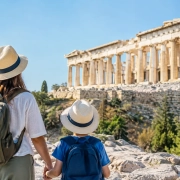



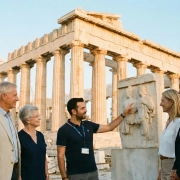
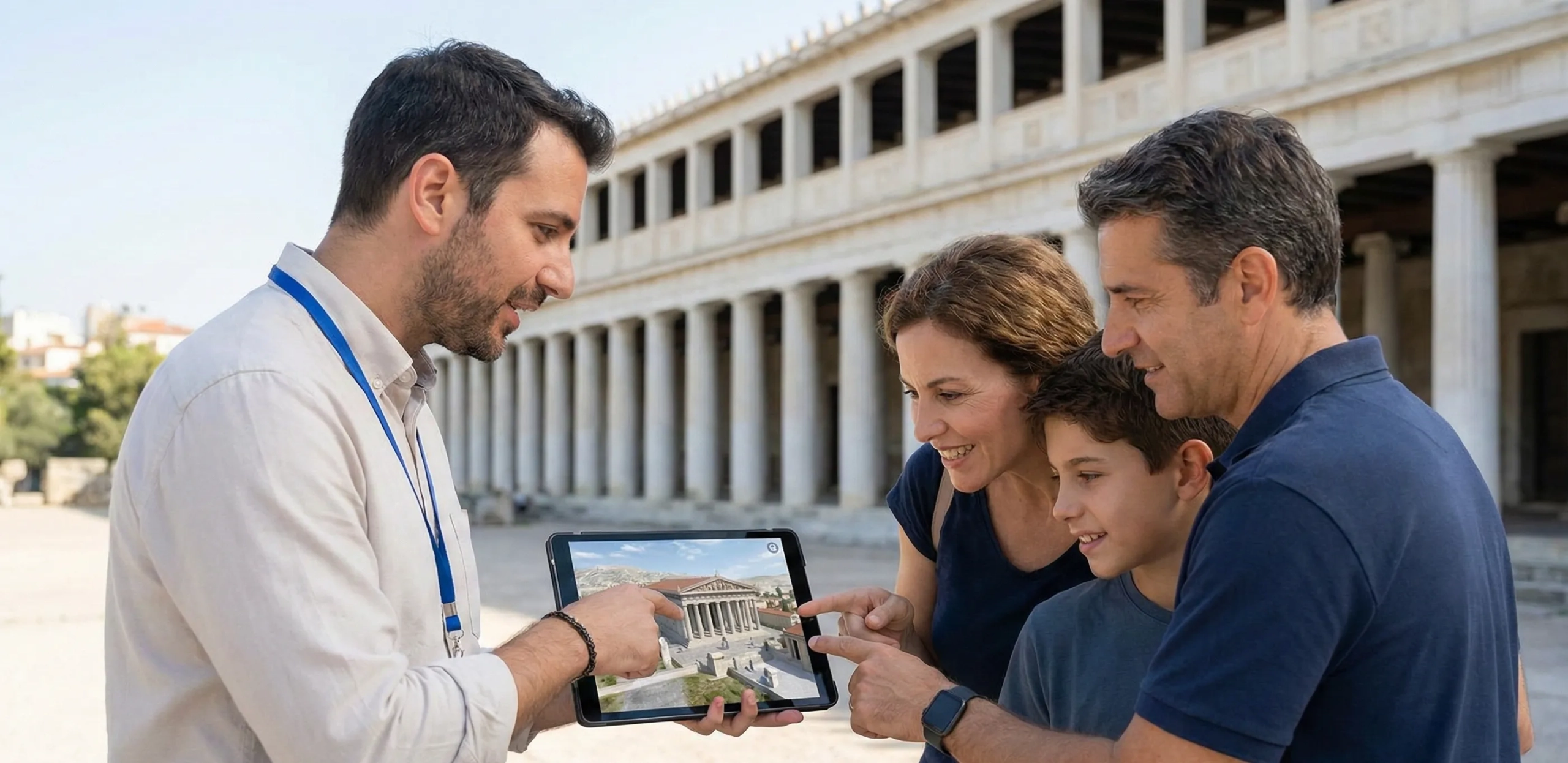


 Timeless Athens Tours