
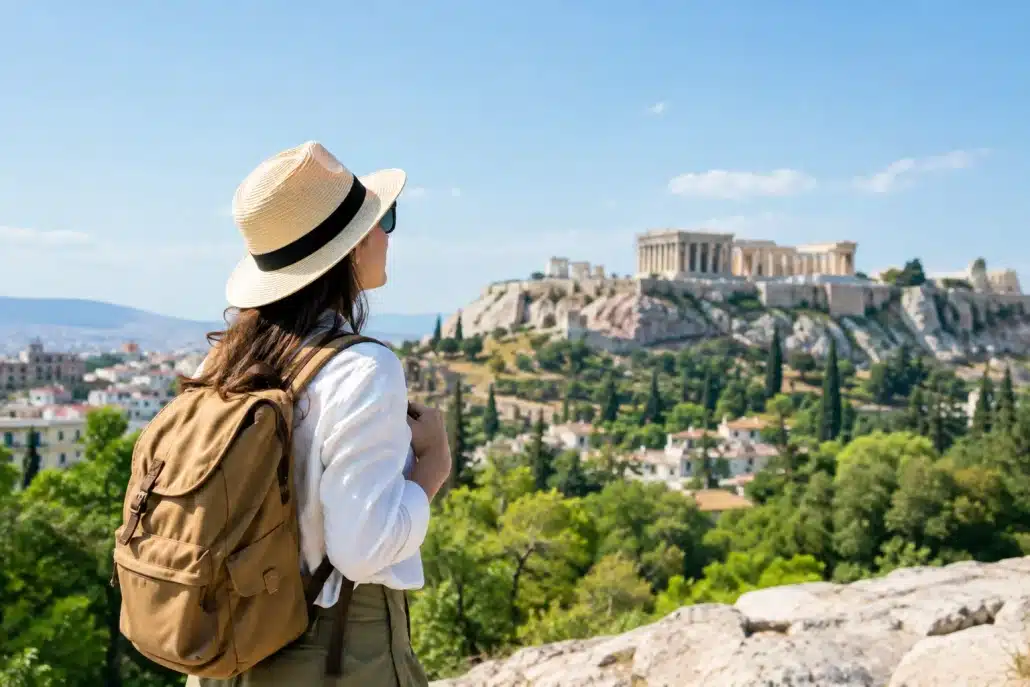
How to Travel Athens Safely With Confidence
Athens rewards travelers who stay alert without becoming anxious. The city is energetic, walkable, deeply welcoming, and filled with extraordinary moments – from a quiet neighborhood café beneath the Acropolis to the changing of the guard at Syntagma Square. Knowing how to travel Athens safely means handling a few practical details well, so your attention stays where it belongs: on Greece’s history, food, and people.
For most visitors, Athens is a comfortable and rewarding destination. Violent crime affecting tourists is uncommon, but, as in any major European capital, crowded places can attract pickpockets and unfamiliar streets can feel confusing after dark. A little local awareness goes a long way.
How to Travel Athens Safely in the City Center
The historic center is generally the easiest place for first-time visitors to explore. Plaka, Monastiraki, Syntagma, Koukaki, Makrygianni, Kolonaki, and the areas around the Acropolis are popular with travelers and active throughout the day and evening. They offer restaurants, hotels, museums, and convenient access to major sights.
Use the same judgment you would in Rome, Paris, or New York. Stay on well-lit streets at night, particularly when walking back to your hotel. If a route feels deserted, poorly lit, or simply unfamiliar, choose a taxi or arranged transfer instead. This is especially sensible after a late dinner, when traveling with young children, or when you are carrying shopping bags or luggage.
Athens is a real working city, not an open-air museum. Some streets change character quickly from one block to the next, particularly around large transport hubs. Omonia and the areas immediately around some central squares can be busy, rougher around the edges, and less appealing late at night. They are not places most visitors need to seek out after dark. Plan your hotel location carefully, and ask your host or driver for the best walking route before heading out.
Protect Valuables Where Crowds Are Densest
The most common issue visitors encounter in Athens is petty theft, particularly on the Metro, at crowded stations, in busy markets, and around headline attractions. Pickpockets rely on distraction and close proximity, not confrontation.
Keep your passport, excess cash, and backup bank card secured at your hotel whenever possible. Carry only what you expect to use that day. A crossbody bag worn in front of your body, a zippered bag, or an interior jacket pocket is far better than an open tote, loose backpack pocket, or back pants pocket.
Be especially attentive when boarding or leaving Metro trains, standing near ticket machines, and moving through Monastiraki’s busiest lanes. If someone bumps into you, creates an unnecessary commotion, or offers unsolicited help with a ticket machine, pause and check your belongings. There is no need to be suspicious of everyone; simply do not let a stranger rush or distract you.
When dining outdoors, keep your phone and wallet off the edge of the table. A phone placed casually beside a coffee can disappear faster than many travelers expect in any busy city. It is a small habit that prevents an avoidable problem.
Choose Transportation With Care
Athens has an efficient Metro, trams, buses, taxis, and extensive walkable areas. Each option can be safe and useful, depending on the time of day, your group, and your itinerary.
The Metro is usually the quickest way to cover longer distances, including the connection between Athens International Airport and central Athens. During rush hour, though, trains can become crowded. Keep bags close, avoid displaying expensive electronics, and know the name of your destination station before boarding.
Official taxis are plentiful, and licensed drivers use meters for city rides. Before setting off, confirm that the meter is running and make sure you understand the approximate route. For airport transfers, cruise port transportation, or a full day of sightseeing, pre-arranged private transportation offers greater peace of mind. You know who is meeting you, where you are going, and what your transportation costs before the journey begins.
For families, couples, cruise guests with a limited schedule, and travelers arriving after a long flight, this can be more than a luxury. It removes the stress of finding transport while managing luggage, unfamiliar streets, and arrival-day fatigue. A professional private driver can also advise you on current traffic conditions, practical drop-off points, and areas where vehicles cannot enter.
Be Cautious as a Pedestrian
Traffic is one of the most underestimated safety considerations in Athens. Scooters, motorcycles, taxis, and cars move quickly, and drivers may not always yield in the way American visitors expect. Cross only at designated crossings when possible, wait for the signal, and look carefully in both directions – including for motorcycles passing through gaps in traffic.
Athens also has uneven pavement, marble surfaces, and steep cobbled lanes around the Acropolis and Plaka. Supportive shoes with good grip are essential. Smooth-soled sandals can be uncomfortable and slippery, particularly on polished stone after rain.
Stay Comfortable in the Greek Heat
From late spring through early fall, heat can become the day’s biggest challenge. The Acropolis has limited shade, reflective stone surfaces, and uphill walking. During a summer heat wave, even travelers in excellent health can feel unwell if they try to see everything at midday.
Start major outdoor visits early. Carry water, wear a hat, use sunscreen, and schedule a shaded lunch or museum visit during the hottest hours. If you are traveling with children, older relatives, or anyone sensitive to heat, build in more breaks than you think you need. The best itinerary is not the one that checks every box; it is the one that leaves you enough energy to enjoy dinner in Plaka.
Pay attention to official weather alerts and be flexible. On very hot days, a private itinerary can be adjusted around air-conditioned transport, shorter walks, and better-timed monument visits. That flexibility is particularly valuable for shore excursions, where guests want to make the most of limited time without feeling rushed.
Avoid Tourist Scams Without Losing Your Openness
Most Athenians are genuinely hospitable, and visitors should feel comfortable asking for directions or restaurant suggestions. Still, avoid offers that seem unusually urgent, overly personal, or too good to be true.
A few simple habits help. Use ATMs attached to reputable banks rather than isolated machines. Review restaurant menus and prices before ordering in heavily touristy areas. Decline unsolicited offers for bracelets, flowers, unofficial tours, or help with your bags unless you have requested assistance. If someone pressures you to visit a specific bar or restaurant, politely continue on your way.
For tours, transportation, and guides, choose established providers with clear inclusions, confirmed meeting details, and transparent pricing. A licensed guide or experienced local driver does more than explain history. They help you move through the city confidently, avoid wasted time, and make decisions based on current local conditions.
Be Smart Around Demonstrations and Large Events
Athens is Greece’s political capital, and public demonstrations occasionally take place, most often around Syntagma Square and the Parliament. The vast majority are peaceful, but they can disrupt traffic, close Metro stations, and create crowds that are inconvenient for sightseeing.
If you see a gathering forming, do not push through it for a closer look. Take an alternate route and allow extra time for your plans. Your hotel, driver, or guide can advise on practical changes that day. The same approach applies to football matches, holiday celebrations, and major public events: enjoy the atmosphere from a sensible distance, but do not let a crowd dictate your movements.
Plan Arrivals, Departures, and Cruise Days Well
The moments when travelers feel most vulnerable are often the least glamorous: arriving at the airport, looking for a ship transfer at Piraeus, or trying to reach a hotel with luggage in midday traffic. Confirm your transportation before you land or disembark. Keep your hotel address saved offline, along with a contact number and a copy of your travel documents.
For cruise passengers, timing matters as much as safety. Piraeus is a busy working port, and independent transportation delays can quickly shorten a day in Athens. A private shore excursion with a dedicated driver allows for a more controlled schedule, secure vehicle storage for personal items, and a reliable return to the ship. Timeless Athens Tours can tailor private transportation and sightseeing around your arrival time, interests, walking pace, and departure deadline.
A Few Practical Habits That Make a Big Difference
Before leaving your hotel each day, charge your phone, carry a portable battery if you have one, and take a photo of your passport rather than carrying it everywhere. Share your day’s plan with someone in your group, particularly if you plan to separate for shopping or independent sightseeing.
Keep emergency needs simple: know your hotel’s name, have travel insurance details accessible, and call 112 for urgent emergencies in Greece. Pharmacies are common and can be helpful for minor needs, but serious concerns should be handled through your insurance provider or a medical professional.
Athens is best experienced with curiosity and a calm plan. Walk its historic lanes, accept the occasional detour, and leave room for an unplanned coffee with an Acropolis view. When your transportation, valuables, and daily pace are thoughtfully managed, the city feels less like a logistical challenge and more like the unforgettable beginning of your Greek journey.

Leave a Reply
Want to join the discussion?Feel free to contribute!