
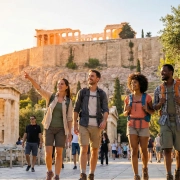
Athens Walking Tours 2025: 8 Best Routes from Ancient Ruins to Modern Streets
Best athens walking tours span eight distinct routes, from 2-hour Acropolis circuits covering 3.5 kilometers with 400 stairs to 5-hour neighborhood explorations traversing 8 kilometers, with free or guided options costing €0-45 and burning 300-800 calories while revealing layers of history from Classical antiquity through Byzantine, Ottoman, and modern eras impossible to appreciate from bus windows.
Walking Athens’ historic center transforms abstract archaeological knowledge into visceral experiences, touching marble columns Pericles commissioned, navigating Byzantine lanes villagers built, discovering street art commentary on contemporary Greek life. The city’s compact 5-kilometer historic core concentrates extraordinary site density, making walking tour athens strategies far superior to vehicular tourism that isolates travelers behind glass while missing neighborhood textures, spontaneous discoveries, and authentic local interactions.
This comprehensive route guide provides exact distances, elevation profiles, calorie expenditures, and difficulty ratings enabling confident selection whether you’re prioritizing ancient monuments, Instagram-worthy views, street art exploration, or comprehensive historical immersion across multiple millennia.
Why Athens Walking Tours Beat Bus Tours
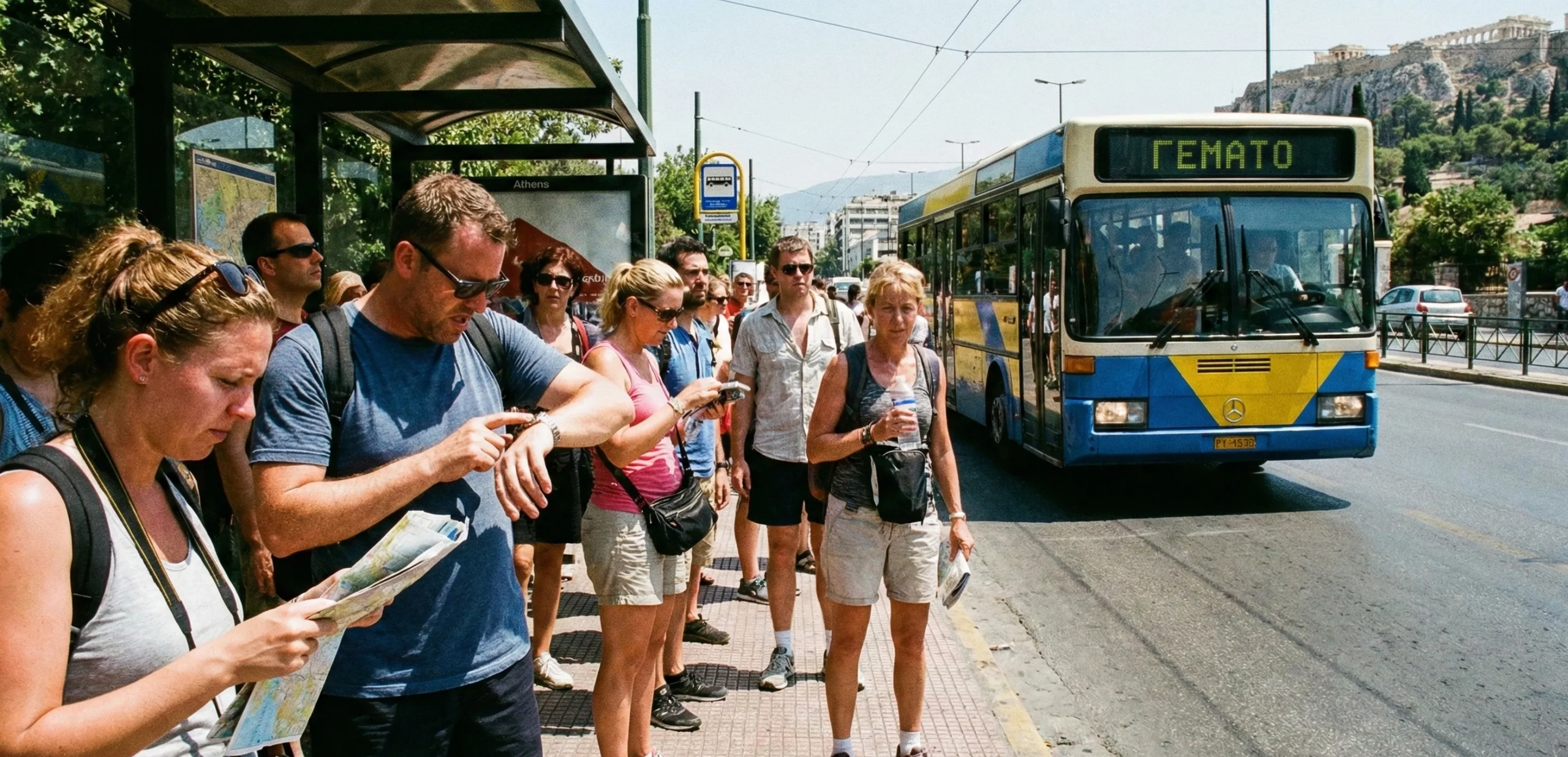
Pedestrian exploration delivers specific advantages that vehicular tourism fundamentally cannot match:
Intimate neighborhood discovery reveals hidden courtyards, family-run workshops, and local gathering spots invisible from main thoroughfares where tour buses navigate, the tiny Anafiotika village beneath the Acropolis exists entirely within pedestrian-only lanes inaccessible to vehicles.
Flexible pacing allows lingering at sites capturing your passion, skipping areas matching lower interest, and adjusting routes spontaneously when unexpected discoveries emerge, rigid bus schedules prevent such organic exploration.
Unlimited photo opportunities from optimal angles require simply stopping rather than shooting through tinted windows at predetermined viewpoints, the most dramatic Acropolis perspectives often appear from obscure alleyways rather than official lookouts.
Authentic local interactions happen naturally when asking directions, chatting with shopkeepers, or accepting elderly locals’ unsolicited historical commentary, experiences impossible when sealed inside air-conditioned coaches.
Cost efficiency through free tour athens options or modest guided fees versus expensive bus tours covering identical ground with diminished engagement quality.
8 Best Athens Walking Tours (By Difficulty & Duration)
Here’s your comprehensive route comparison showing distances, durations, difficulty levels, and calorie expenditures:
| Route | Distance | Duration | Difficulty | Calories | Key Highlights |
| Classic Acropolis | 3.5 km | 2.5 hours | Moderate | 450 | Parthenon, Propylaea, Theater of Dionysus |
| Plaka & Anafiotika | 2 km | 2 hours | Easy | 250 | Byzantine lanes, island-style village |
| Ancient Agora Circuit | 4 km | 3 hours | Easy-Moderate | 400 | Temple of Hephaestus, Roman Agora, flea market |
| Psyri Street Art | 3 km | 2.5 hours | Easy | 300 | Murals, galleries, nightlife districts |
| Lycabettus Hill Hike | 5 km | 3 hours | Challenging | 650 | 360° Athens views, sunset panoramas |
| National Garden Loop | 6 km | 3 hours | Easy | 450 | Green oasis, Panathenaic Stadium, Zappeion |
| Historic Center Grand | 8 km | 5 hours | Moderate | 800 | Comprehensive Athens overview |
| Keramikos to Gazi | 5 km | 3.5 hours | Moderate | 550 | Ancient cemetery, industrial-chic revival |
Route 1: Classic Acropolis Walking Tour (3.5 km, 2.5 hours, Moderate)
This foundational route conquers Athens’ sacred rock via southern slopes, ascending 400+ stairs through Ancient Agora foundations, Theater of Dionysus where Greek drama was born, and Acropolis summit showcasing the Parthenon’s Doric perfection before descending through Plaka’s tourist-oriented but charming lanes, covering classical antiquity’s architectural peak in one morning burning approximately 450 calories.
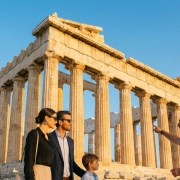
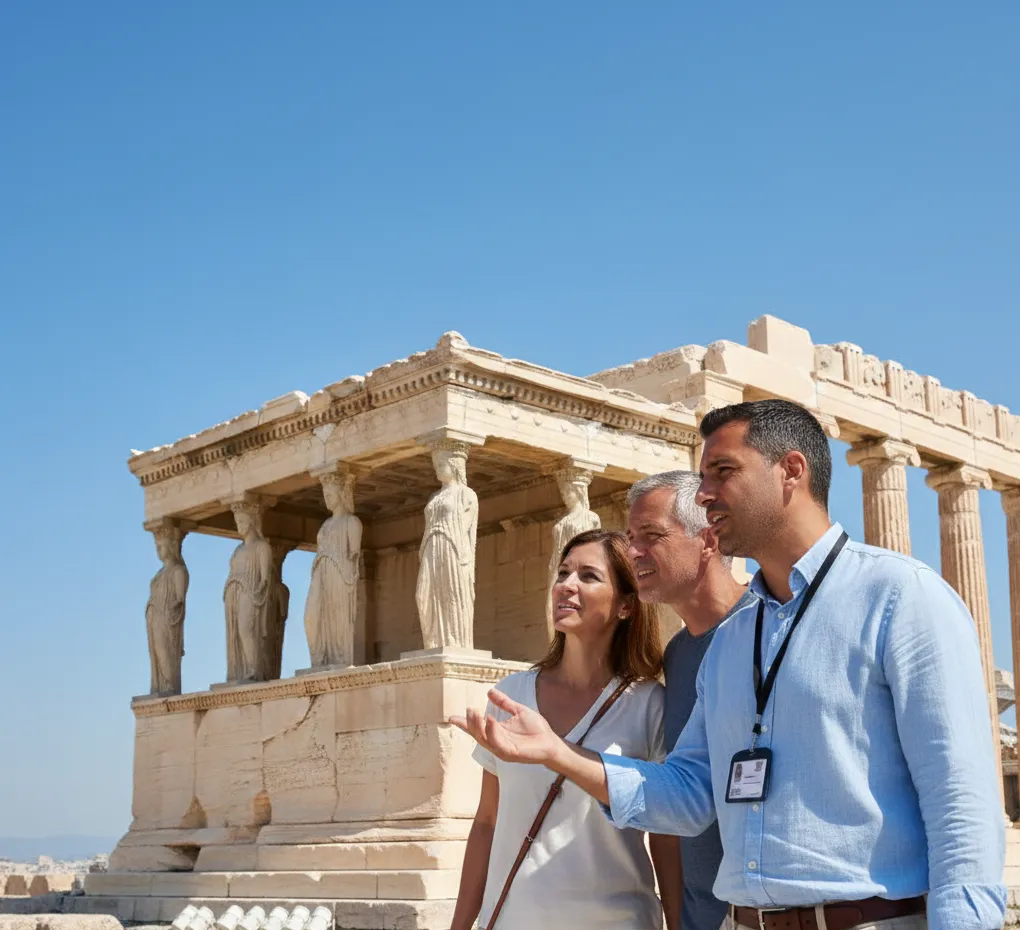
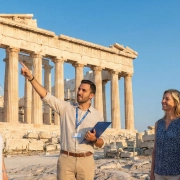
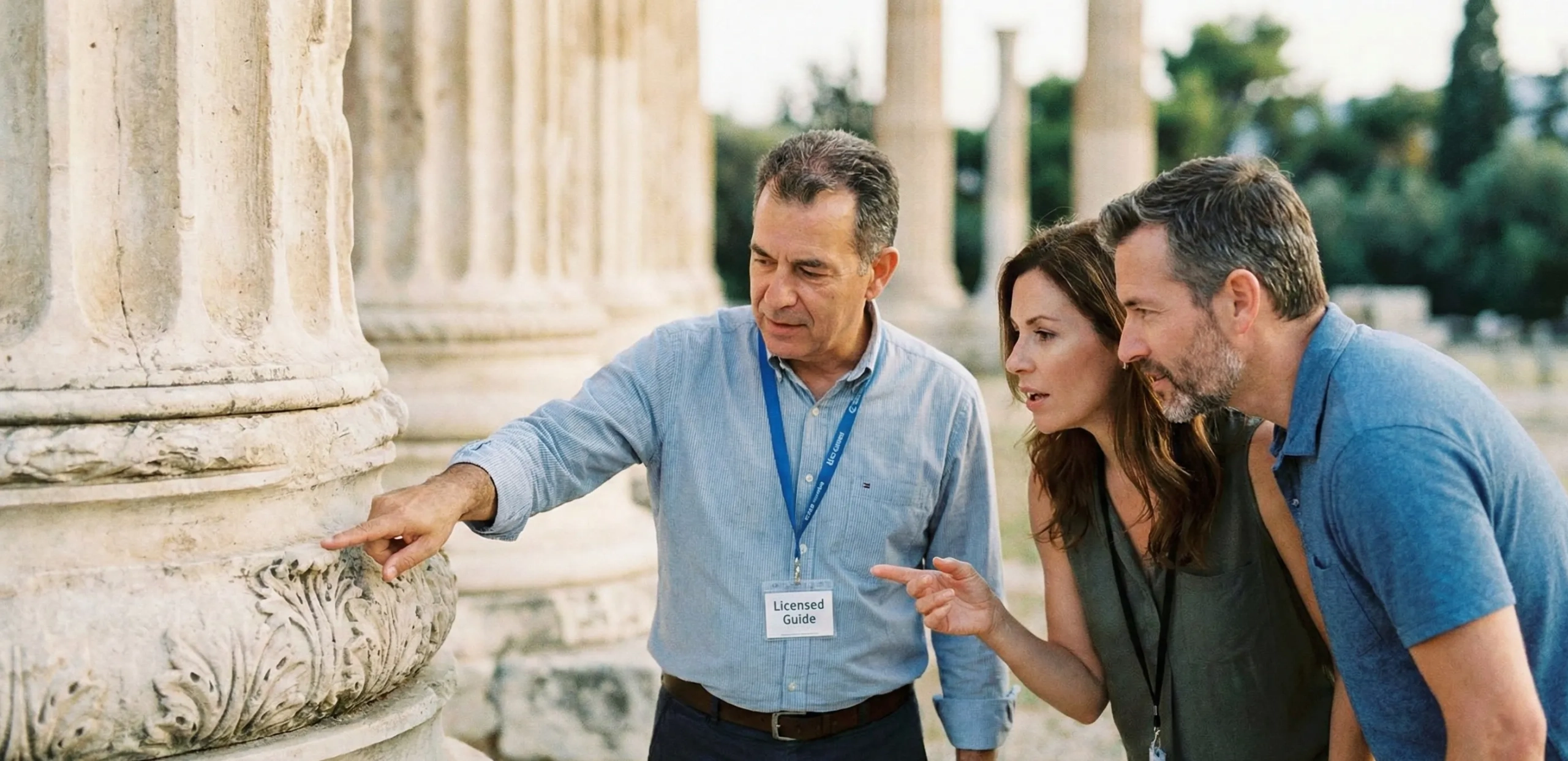
The athens acropolis walking tour demands moderate fitness for sustained stair climbing and uneven ancient paving stones, with elevation gain from 70 meters (Agora) to 156 meters (Acropolis summit) creating cardiovascular challenge rewarded by unobstructed Parthenon access and panoramic city views. Licensed guides transform marble ruins into vivid narratives about Athena’s birthday processions, Persian invasion drama, and Byzantine church conversions impossible to glean from informational plaques alone.
When planning professional athens day tours incorporating Acropolis highlights with expert archaeological interpretation, morning departures (8-9 AM) beat midday heat and tour bus crowds arriving post-10 AM.
Route 2: Plaka & Anafiotika Village Stroll (2 km, 2 hours, Easy)
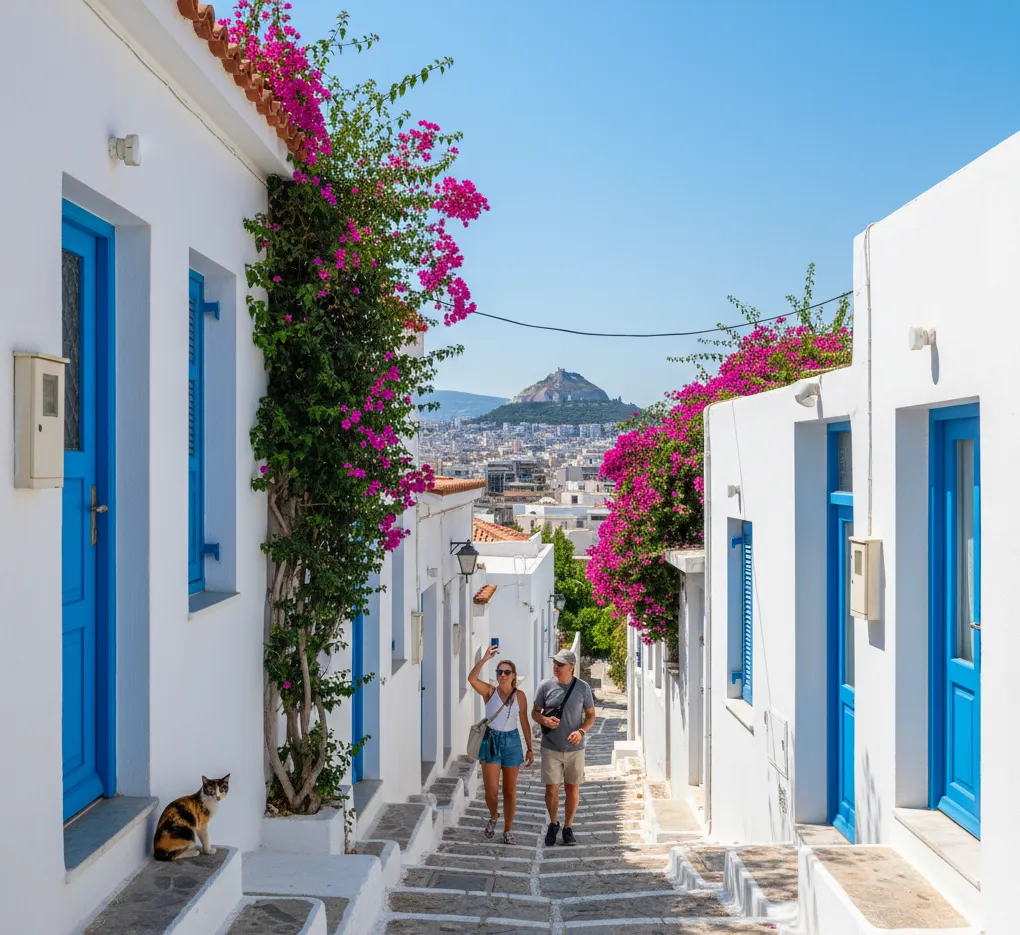
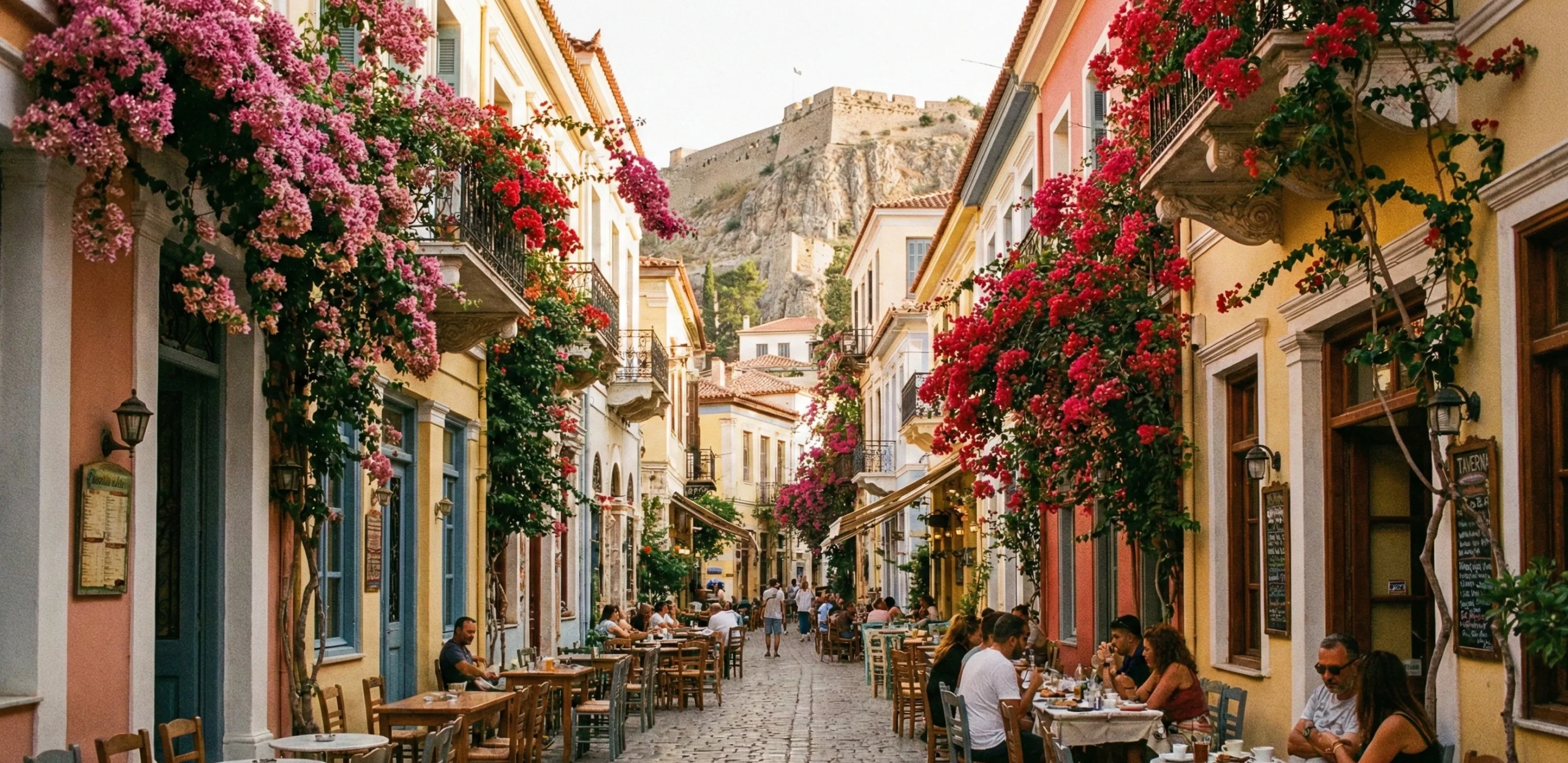
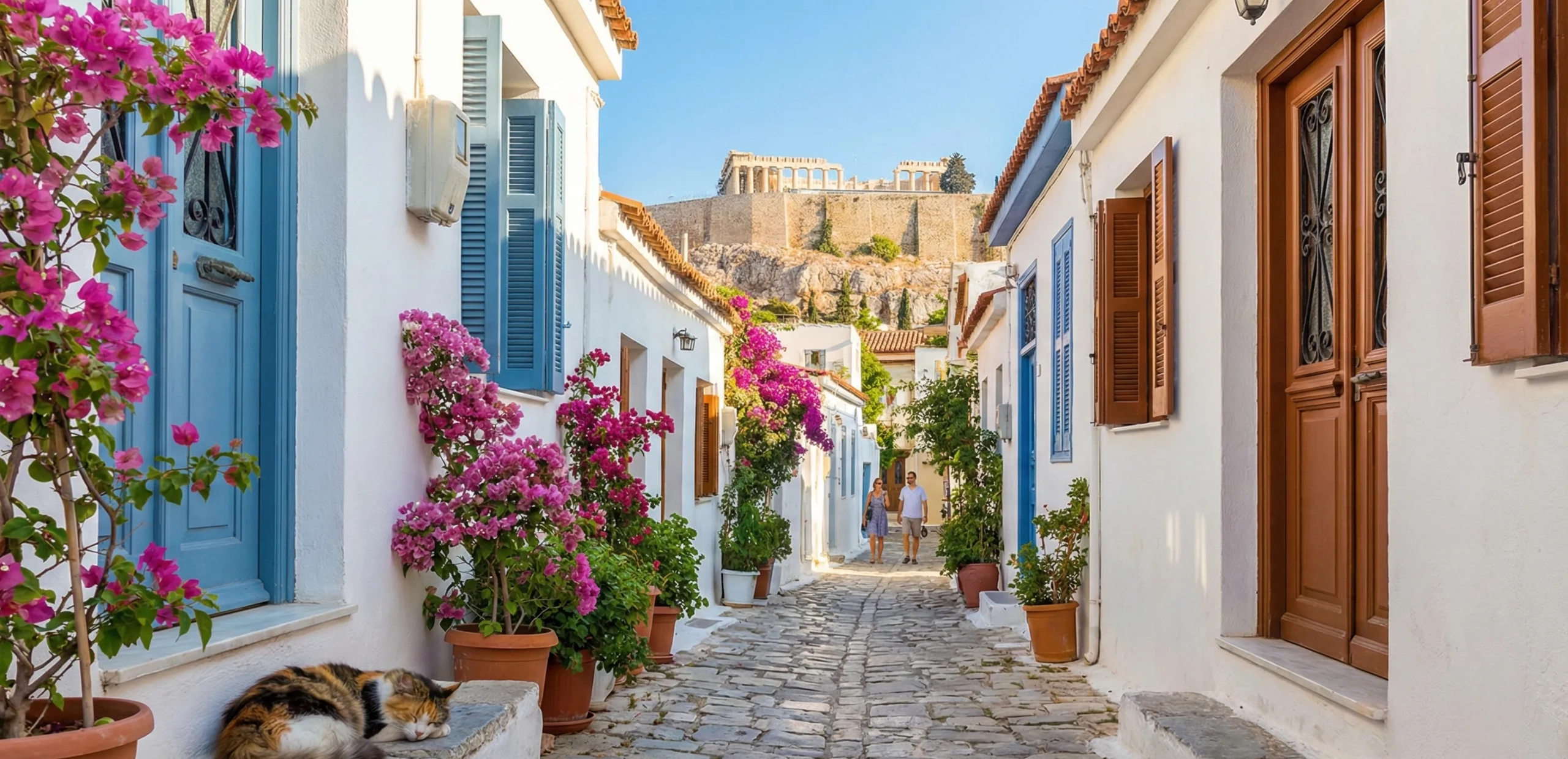
This relaxed neighborhood wander explores Athens’ oldest continuously inhabited district where Byzantine churches hide along labyrinthine lanes, neoclassical mansions house museums, and the astonishing Anafiotika village, built by 19th-century island craftsmen replicating Cycladic architecture, clings impossibly to Acropolis north slopes like Santorini transplanted to mainland.
The 2-kilometer flat route suits all fitness levels while burning modest 250 calories, making this perfect afternoon stroll after morning Acropolis exertion or ideal introduction for visitors wanting gentle Athens immersion. Anafiotika’s whitewashed cube houses, bougainvillea cascades, and car-free alleys create Mediterranean island atmosphere within capital city chaos, photographically Instagram gold and practically deserted compared to Plaka’s tourist-packed main drags.
Exploring comprehensive tours in athens covering neighborhood character alongside monumental archaeology reveals how Athenians actually live rather than merely showcasing ancient ruins disconnected from contemporary urban fabric.
Route 3: Ancient Agora to Monastiraki Circuit (4 km, 3 hours, Easy-Moderate)
This commercial heart walk traces Athens’ marketplace evolution from Classical-era philosophical debates in the Ancient Agora, where Socrates corrupted youth and citizens voted on ostracism, through Roman Forum additions, Ottoman mosque conversions, to contemporary Monastiraki flea market chaos where vendors hawk everything from antique coins to counterfeit designer bags.
The 4-kilometer route burns approximately 400 calories across easy-moderate terrain combining flat Agora ruins, gentle inclines toward Hadrian’s Library, and crowded marketplace navigation requiring alertness for pickpockets rather than physical challenge. The Temple of Hephaestus, Greece’s best-preserved Classical temple, provides architectural context for understanding Parthenon’s original appearance before 2,500 years of warfare, earthquakes, and pollution took toll.
Expert tour guides in athens greece transform confusing ruins into coherent narratives about democracy’s birthplace, explaining how ancient assemblies functioned, what philosophers actually taught, and why this seemingly modest marketplace launched Western civilization’s political foundations.
Route 4: Psyri Street Art & Nightlife Route (3 km, 2.5 hours, Easy)
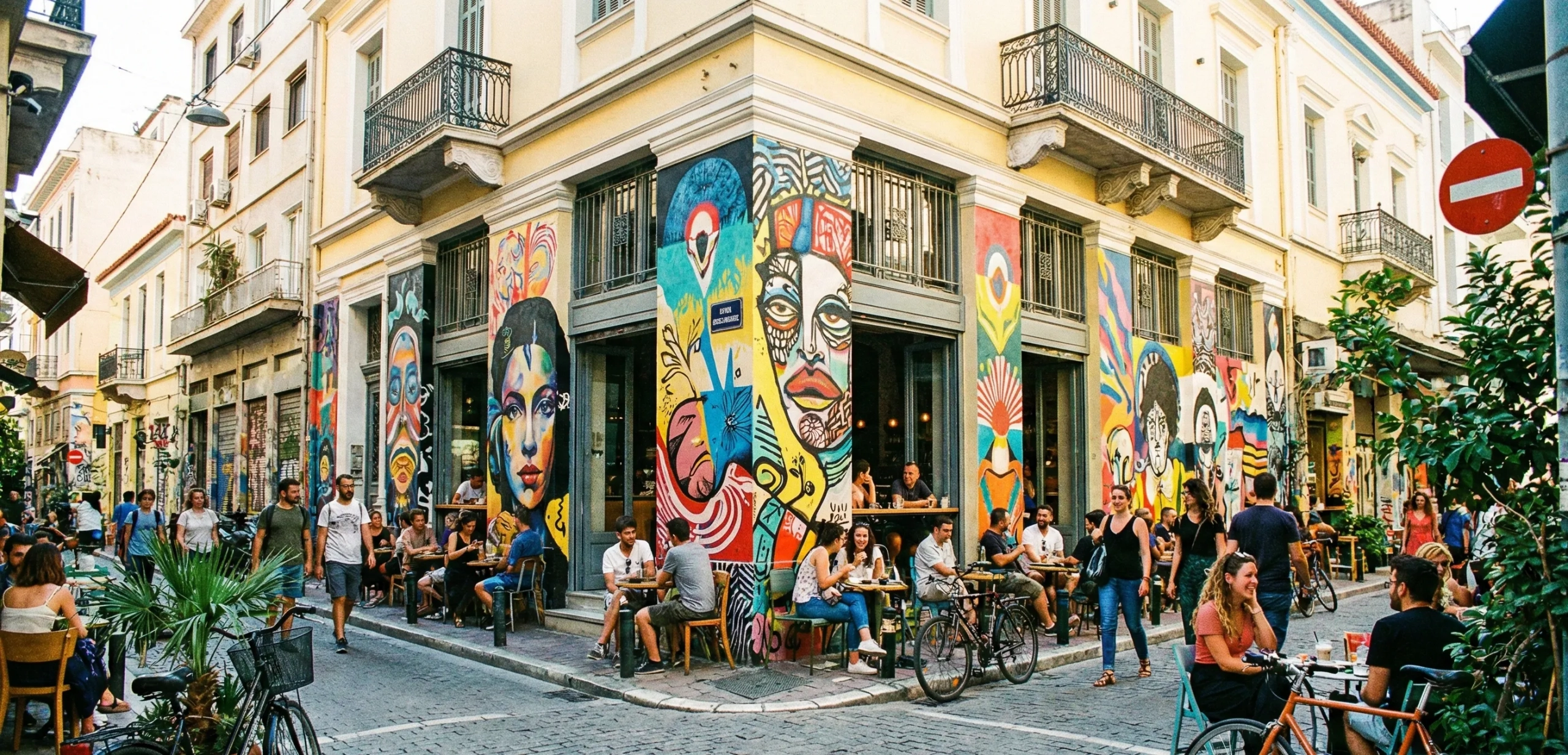
This contemporary culture circuit reveals modern Athens’ creative renaissance through Psyri district’s transformation from declining industrial zone into street art capital where international muralists paint warehouse facades, independent galleries showcase emerging Greek artists, and innovative tavernas reinterpret traditional cuisine for sophisticated palates uninterested in tourist-trap moussaka.
The easy 3-kilometer flat route burning 300 calories works brilliantly as afternoon exploration transitioning into evening dining and nightlife, with galleries typically opening 6 PM and restaurants heating up post-10 PM following Greek dining customs. Major murals by INO, WD, and international artists cover entire building facades with political commentary, mythological reimagining, and urban poetry, constantly evolving as new pieces replace old.
Many travelers discover free tour athens options exploring street art with local guides offering tip-based services (€10-15 suggested donations), providing budget-friendly cultural immersion while supporting grassroots tourism initiatives connecting visitors with emerging neighborhoods rather than only ancient monuments.
Route 5: Lycabettus Hill Sunset Hike (5 km round-trip, 3 hours, Challenging)
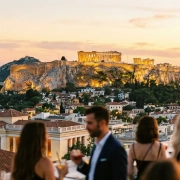
This challenging ascent conquers Athens’ highest point (277 meters) via zigzagging paths through pine forest, burning substantial 650 calories during 300-meter elevation gain rewarded by 360-degree panoramas encompassing Acropolis, Saronic Gulf, surrounding mountains, and urban sprawl stretching to horizons, particularly spectacular during golden hour when setting sun paints marble monuments amber and rose.
The 5-kilometer round-trip demands solid fitness for sustained climbing on sometimes steep, uneven stone paths requiring proper footwear, flip-flops guarantee twisted ankles. Summit facilities include chapel, cafe, and amphitheater hosting summer concerts, while timing arrival for sunset transforms good hike into unforgettable experience as Athens lights gradually illuminate below twilight sky.
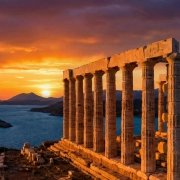
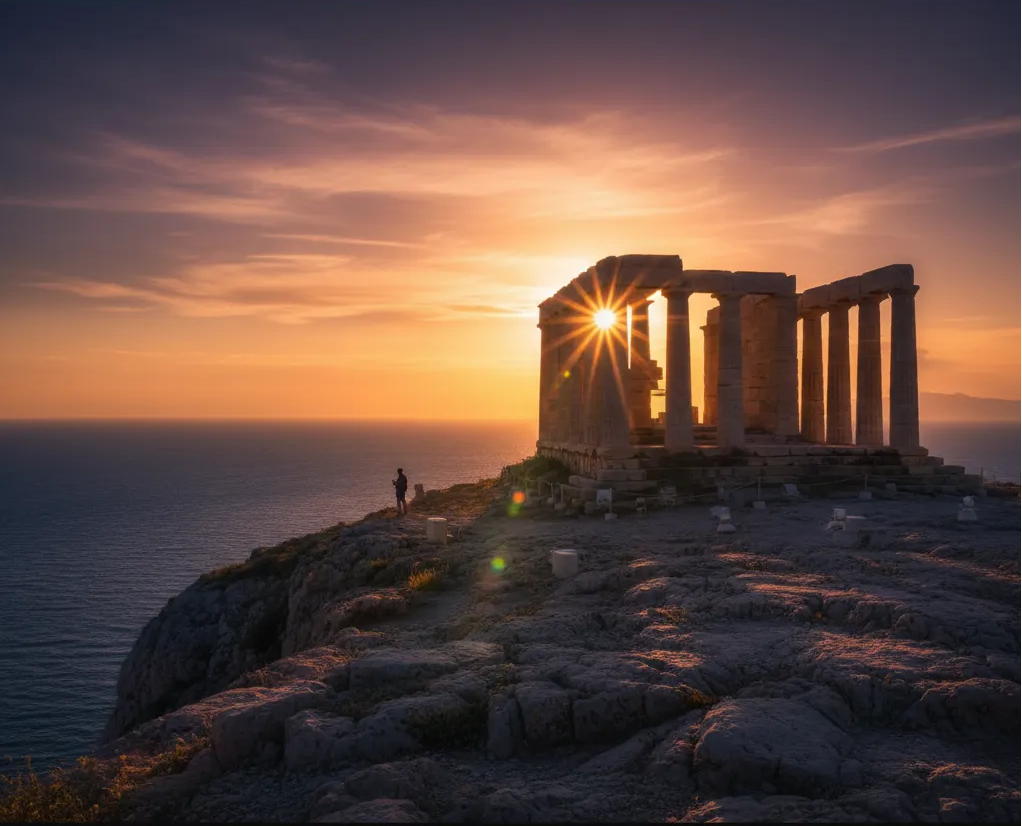
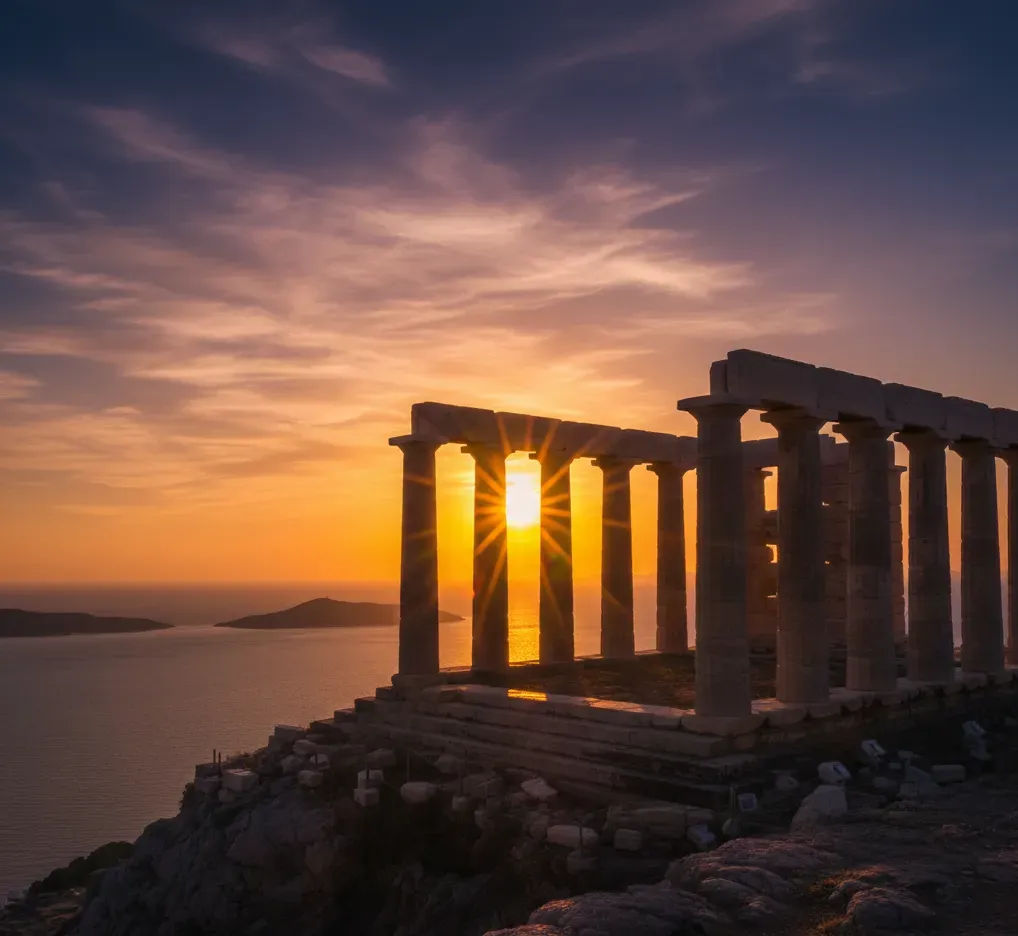
Alternatively, those preferring coastal sunset experiences can book sunset cape sounion tour options delivering equally dramatic golden hour photography at clifftop Temple of Poseidon without Lycabettus’ cardiovascular demands.
Route 6: National Garden & Panathenaic Stadium Loop (6 km, 3 hours, Easy)
This green oasis circuit provides welcome escape from urban intensity through the National Garden’s 38 shaded acres sheltering exotic plants, duck ponds, and peacocks before continuing to Panathenaic Stadium, only arena worldwide constructed entirely from marble, where first modern Olympics occurred 1896 and ancient Panathenaic Games crowned athletic champions for over a millennium.
The flat 6-kilometer route burning 450 calories suits hot summer days when shade becomes essential, families with children appreciating garden playgrounds, and runners seeking traffic-free paths through central Athens. The stadium’s horseshoe configuration accommodates 50,000 spectators on original ancient foundations, with restoration completed for 2004 Athens Olympics using Pentelic marble matching Parthenon quarries.
When combining quick Athens exploration with flight connections, efficient athens layover tours incorporate garden relaxation with Acropolis visits, maximizing limited hours between arrivals and departures through professional logistics coordination impossible for independent travelers navigating unfamiliar public transit.
Route 7: Complete Historic Center Grand Tour (8 km, 5 hours, Moderate)
This comprehensive marathon combines Routes 1, 2, and 3 into single epic walk covering Acropolis, Plaka, Anafiotika, Ancient Agora, Roman Forum, and Monastiraki across 8 kilometers and 5 hours burning approximately 800 caloriesm, recommended only for dedicated walkers wanting thorough Athens immersion without returning to hotels mid-exploration.
The moderate difficulty stems from distance and duration rather than technical challenge, with sustained walking and stair climbing accumulating fatigue by afternoon hours. Strategic breaks at cafe terraces, museum air conditioning, and shaded garden benches prevent exhaustion while maintaining exploration momentum. Early 8 AM starts allow completing before 1 PM when summer heat peaks dangerously.
Alternatively, travelers preferring expert narrative throughout extensive exploration can book organized athens guided tours providing licensed archaeological guides whose university-level knowledge transforms exhaustive site visits into cohesive historical narratives explaining how Athens evolved from Bronze Age settlement through Classical glory, Byzantine Christianity, Ottoman occupation, to modern European capital.
Route 8: Keramikos Cemetery to Gazi Cultural Circuit (5 km, 3.5 hours, Moderate)
This off-beaten-path circuit explores lesser-known ancient cemetery where elaborate tombstones reveal Classical funeral customs before continuing through industrial Gazi district transformed from gasworks into cultural hotspot housing contemporary art museum, alternative theaters, LGBTQ+ nightlife venues, and experimental restaurants pushing Greek cuisine boundaries.
The 5-kilometer moderate route burning 550 calories rewards adventurous travelers willing to venture beyond standard tourist circuits, revealing Athens neighborhoods where locals actually socialize rather than performing for tour groups. Keramikos’ funerary sculptures demonstrate Classical art’s evolution toward naturalism, while Gazi’s adaptive reuse of industrial heritage shows successful urban regeneration creating vibrant cultural zones from abandoned infrastructure.
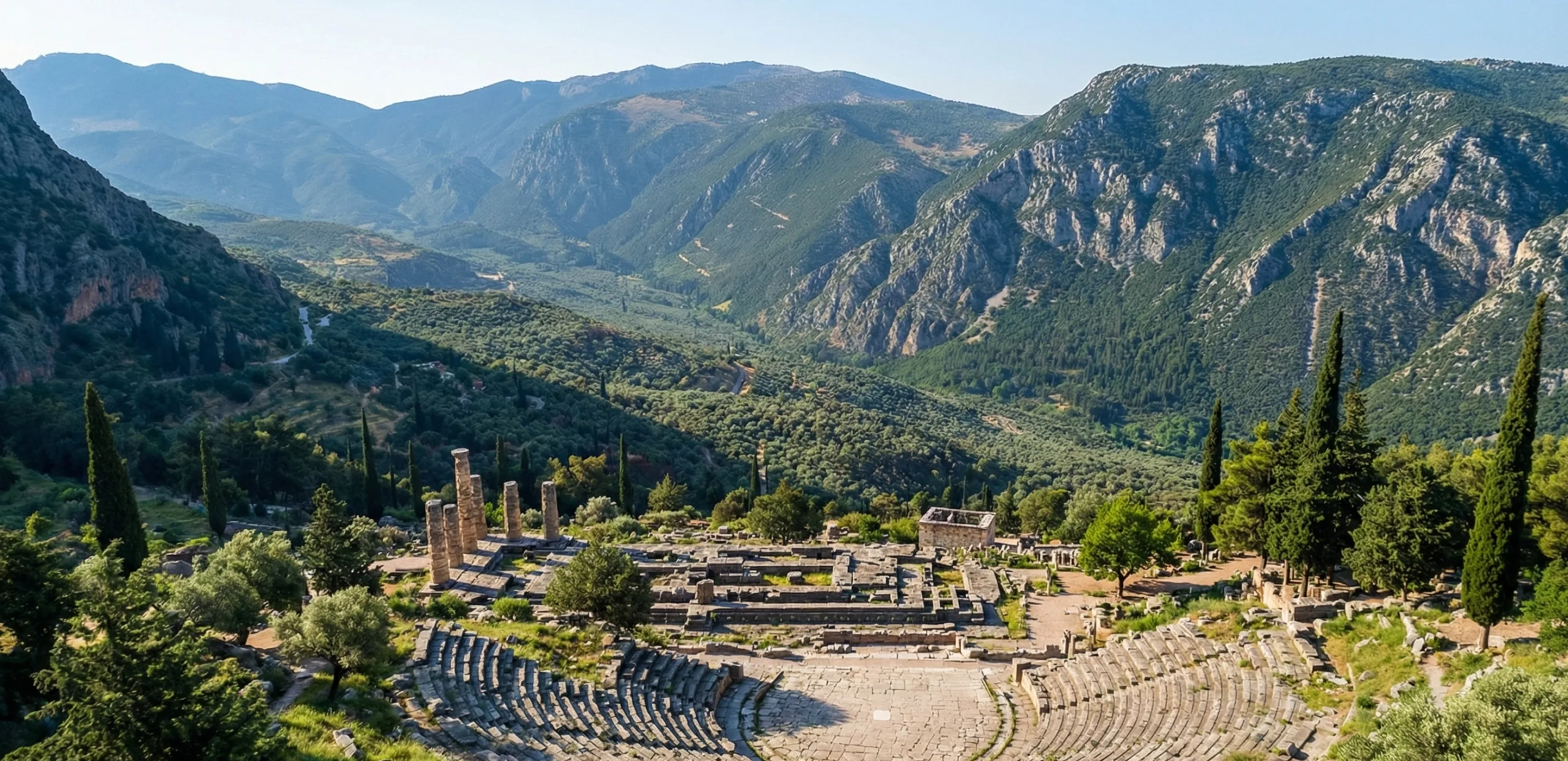
Extended Athens stays allow combining walking exploration with regional day trips, morning Keramikos walk followed by afternoon delphi day trips or weekend Gazi nightlife before meteora day tour adventures create balanced itineraries mixing urban and archaeological experiences.

Free Walking Tours Athens vs Paid Guided Tours
What Are Free Walking Tours?
Free tour athens operates on tip-based models where guides work primarily for gratuities (€10-15 per person typically expected) rather than fixed fees, creating accessible entry point for budget travelers while incentivizing guides toward entertaining presentations ensuring strong tips. These tours typically accommodate large groups (20-30 people), cover basic historical overview hitting major monuments, and last 2.5-3 hours without skip-the-line access or museum entries.
The “free” designation misleads somewhat, guides depend on tips surviving economically, making €0 participation socially awkward unless genuinely destitute. Quality varies dramatically based on individual guide expertise, with some university students providing basic introductions while others deliver passionate performances rivaling paid professionals.
When to Choose Paid Walking Tours
Paid athens walking tours costing €35-50 per person justify premiums through smaller groups (6-12 maximum), licensed archaeological guides holding relevant university degrees, skip-the-line access at major monuments saving hours during peak seasons, and specialized themes (food tours, photography walks, Byzantine architecture) impossible in general-interest free tours.
The value proposition strengthens for travelers prioritizing depth over breadth, comprehensive Acropolis interpretation from archaeologist explaining Doric order subtleties versus rushed overview from enthusiastic amateur represents fundamentally different experiences worth considering when allocating vacation budgets.
Cost Comparison Reality
Budget-conscious calculations reveal:
- Free tours: €0 base + €10-15 tips = €10-15 actual cost
- Standard guided: €35-50 per person fixed
- Private: €180-250 total for 2-6 people (€30-125 per person depending on group size)
Groups of 3-4 travelers discover private tours cost-competitive with standard options while delivering personalized pacing, custom itineraries, and exclusive guide attention impossible with larger groups.
How to Choose Your Athens Walking Tour Route
By Available Time
2-3 hours: Routes 1 (Acropolis), 2 (Plaka), 4 (Street Art), or 6 (Garden) provide substantial experiences without overwhelming schedules, perfect for cruise passengers, layover visitors, or travelers balancing walking with other activities.
3-4 hours: Routes 3 (Agora), 5 (Lycabettus), or 8 (Keramikos-Gazi) extend exploration deeper into specific Athens aspects, commercial evolution, panoramic views, or contemporary culture, while maintaining manageable physical demands.
5+ hours: Route 7 (Grand Tour) suits dedicated walkers prioritizing comprehensive coverage over leisurely pacing, accepting fatigue trade-off for thorough historical immersion across multiple eras and neighborhoods in single marathon session.
By Fitness Level
Easy routes (2, 4, 6) feature flat terrain, minimal stairs, and flexible pacing accommodating mobility limitations, families with young children, or travelers recovering from previous days’ exertions, comfortable sandals suffice though sneakers recommended.
Moderate routes (1, 3, 7, 8) incorporate significant stair climbing, sustained walking, and uneven ancient surfaces requiring proper footwear, reasonable fitness, and comfort with 2-5 hour continuous activity including rest breaks.
Challenging route (5) demands solid cardiovascular fitness for 300-meter sustained elevation gain on sometimes steep paths where proper hiking shoes prevent slips, water bottles prevent dehydration, and realistic self-assessment prevents mid-climb regrets.
By Interest Focus
Match routes to passions: Ancient history enthusiasts prioritize Routes 1, 3, 8 concentrating Classical monuments, agoras, and cemeteries with substantial archaeological interpretation. Photography lovers choose Routes 2, 5 delivering dramatic views, picturesque villages, and golden hour panoramas. Contemporary culture seekers select Route 4 exploring street art, galleries, and nightlife evolution. Comprehensive learners tackle Route 7’s marathon covering multiple millennia.
Athens Walking Tours Logistics & Tips
Best Times to Walk
Early morning (7-9 AM) delivers coolest temperatures, smallest crowds at major monuments, and optimal photography lighting before harsh midday sun creates unflattering shadows, particularly critical summer months when 11 AM temperatures already exceed comfortable walking conditions.
Late afternoon (5-7 PM) provides golden hour photography opportunities, diminished heat from daytime peaks, and transitions naturally into evening dining following Greek customs where restaurants fill post-9 PM.
Avoid midday summer (11 AM-3 PM) when temperatures frequently exceed 35°C (95°F), ancient marble reflects heat intensely, shade disappears in archaeological zones, and heat exhaustion risks spike dangerously for unprepared walkers.
What to Bring
Comfortable walking shoes represent absolute non-negotiable requirement, ancient paving stones, marble steps worn smooth over millennia, and uneven surfaces punish fashion footwear through blisters, twisted ankles, and abbreviated explorations when feet surrender mid-route.
Water bottles (1-2 liters minimum) prevent dehydration during sustained walking, particularly summer months where fountains provide refill opportunities but carrying capacity ensures constant hydration access.
Sunscreen and hat protect against Mediterranean sun intensity year-round, with summer UV indexes reaching dangerous levels during midday hours when even “easy” walks risk sunburn without proper protection.
Camera/phone with full battery captures spontaneous discoveries, architectural details, and panoramic vistas impossible to fully appreciate later if battery dies mid-exploration.
Accessibility Considerations
Ancient sites present challenges through uneven surfaces, significant stairs (400+ at Acropolis), and zero wheelchair accessibility at many monuments, honest assessment suggests mobility-limited visitors focus on accessible neighborhoods (Plaka streets, National Garden paths) rather than forcing archaeological site visits designed millennia before accessibility concepts existed.
When mobility needs require transportation support, convenient athens airport transfers provide comfortable vehicles with professional drivers coordinating accessible routes, rest stops, and flexible timing impossible with standard tour groups maintaining rigid schedules regardless of individual participant needs.

Combining Walking Tours with Day Trips
Extended Athens stays allow strategic combinations maximizing both urban immersion and regional exploration:
Morning walk + afternoon day trip patterns work beautifully, early Acropolis walk (7-10 AM) followed by popular corinth tour half-day options exploring Ancient Corinth and canal before evening Athens return.
Walking exploration + multi-day trips create balanced itineraries, two days Athens walking different routes before full-day meteora day tour experiencing clifftop monasteries, then return for additional neighborhood discovery.
Archaeological depth develops through combining Athens walking with Peloponnese excursions, Routes 1 and 3 provide Classical context before argolis day trips visiting Mycenae, Epidaurus, and Nafplio where Bronze Age through Roman periods come alive through comprehensive site coverage.
Frequently Asked Questions About Athens Walking Tours
What’s the best walking tour in Athens?
Route 1 (Classic Acropolis Walking Tour) ranks best for first-time visitors prioritizing ancient monuments, UNESCO World Heritage access, and foundational Greek history, while Route 7 (Complete Historic Center Grand Tour) wins for comprehensive coverage when time and fitness permit 5-hour explorations. Photography enthusiasts choose Route 5 (Lycabettus Hill) for unmatched panoramic views, while contemporary culture seekers prefer Route 4 (Psyri Street Art) revealing modern Athens creative renaissance.
Are free walking tours Athens worth it?
Yes for budget-conscious travelers accepting limitations, large groups (20-30 people) prevent intimate guide interaction, basic historical overview skips nuanced details, and tip expectations (€10-15) mean “free” designation misleads. However, enthusiastic guides often provide entertaining introductions adequate for casual interest levels, making free tours valuable when archaeological depth isn’t priority or budgets genuinely constrain spending.
How long do Athens walking tours take?
2-5 hours depending on route selection, with 3 hours representing average duration balancing comprehensive coverage against fatigue accumulation. Shorter options (Routes 2, 4) suit layover visitors or those combining walks with other activities, while extended marathons (Route 7) demand full morning or afternoon blocks plus recovery time before additional exploration.
Do I need to book walking tours in advance?
Free tours require no advance booking, simply appear at designated meeting points (usually Syntagma or Monastiraki Squares) at published start times. Paid guided tours benefit from 1-2 days advance reservation, particularly peak season (April-October) when popular morning departures fill quickly, though last-minute availability often exists for afternoon slots.
Are Athens walking tours suitable for children?
Routes 2 (Plaka), 4 (Street Art), and 6 (National Garden) work best for families with children under 12, offering flat terrain, shorter distances (2-3 km), engaging visual elements (colorful murals, peacocks, playgrounds), and flexible pacing allowing breaks when attention spans waver. Avoid challenging Route 5 (Lycabettus) and exhausting Route 7 (Grand Tour) with young children unless they demonstrate exceptional hiking stamina and sustained interest in historical content.
What’s the best time of day for walking tours Athens?
8-10 AM provides optimal conditions for beating crowds, avoiding heat, and capturing morning light, particularly critical summer months when midday temperatures exceed comfortable walking thresholds. 5-7 PM works beautifully for golden hour photography and transitions naturally into evening dining, while midday (11 AM-3 PM) should be avoided April-October when sun intensity creates dangerous heat exhaustion risks.
Can I do multiple walking tours in one day?
Two maximum with substantial rest break between, morning Acropolis circuit (Route 1) followed by late afternoon Lycabettus sunset hike (Route 5) works if fitness permits, but attempting three separate walks guarantees exhaustion diminishing appreciation for each. Better strategy dedicates single quality walk per day, allowing afternoon museum visits, beach relaxation, or siesta recovery before evening activities maintain energy for comprehensive Athens exploration across multiple days.
Conclusion
Athens walking tours unlock intimate city discovery impossible from vehicular perspectives, revealing architectural details, neighborhood character, and spontaneous encounters that transform abstract history into visceral experiences. These eight routes, from accessible 2-kilometer Plaka strolls to challenging 8-kilometer historic center marathons, demonstrate options accommodating every fitness level, time constraint, and interest focus through strategic route selection matching personal priorities.
The winning approach combines 2-3 thoughtfully chosen walks across your Athens stay, alternating ancient monument focus with contemporary neighborhood exploration while allowing recovery days for museums, beaches, or regional day trips preventing walking fatigue. Free tours provide budget-friendly introductions, while paid guided options justify premiums through expert archaeological interpretation and skip-the-line access saving hours at major monuments.
Ready to explore Athens’ layered history one neighborhood at a time? Start planning your walking adventure through comprehensive athens tours combining pedestrian exploration with professional day trip options creating balanced itineraries mixing urban immersion and regional archaeological treasures.







 https://www.athenstours.gr/