Loading

CALL US TEL: +30 6942 200 299

  • Shopping Cart Shopping Cart
    0Shopping Cart
ATHENS TOURS
  • Home
  • Tours
  • Transfers
  • Profile
  • Reviews
  • Blog
  • Contact Us
  • Reservations
  • Menu Menu

News & Blog Posts

Timeless Athens Tours & Shore Excursions within Greece

Μικρή ομάδα τουριστών με ξεναγό απολαμβάνει τη θέα της Ακρόπολης και του Παρθενώνα κατά το ηλιοβασίλεμα στην Αθήνα.

Athens Tours 2025: 10 Must-Book Experiences Worth Every Euro

December 10, 2025/0 Comments/in Athens Private Tours/by Vassilios1

Planning your Athens adventure? The top athens tours combine ancient landmarks with authentic local experiences, from sunrise Acropolis visits to food-market walking tours, typically costing €45-120 and lasting 3-8 hours with expert guides who bring 2,500 years of history to life.

With over 6.4 million visitors arriving in Athens annually, choosing the right tour can mean the difference between fighting crowds at the Parthenon and experiencing its golden-hour magic with just 30 other travelers. This comprehensive guide breaks down the best tours in athens, comparing prices, durations, and insider perks so you can book confidently and maximize every moment in Greece’s captivating capital.

Whether you’re a first-timer seeking athens greece tours that cover must-see highlights or a return visitor hunting unique experiences beyond the guidebook, these 10 carefully selected options deliver exceptional value, expert storytelling, and memories that justify every euro spent.


Ξεναγός εξηγεί την ιστορία των Καρυάτιδων στο Ερέχθειο σε ζευγάρι τουριστών κατά τη διάρκεια πρωινής περιήγησης στην Ακρόπολη.

Why Book Athens Tours? (Skip the Planning Stress)

Athens tours save 3-5 hours of planning time while unlocking access most independent travelers miss, from skip-the-line Acropolis entries during peak summer mornings to taverna tastings in neighborhoods tourists rarely discover.

Here’s what makes professional athens day tours worth the investment:

  • Skip-the-line access – Bypass 90-minute Acropolis queues during July-August peak season when daily visitors exceed 20,000
  • Expert local knowledge – Licensed guides share archaeological insights and contemporary Greek culture you won’t find in guidebooks
  • Safety & convenience – Pre-arranged transportation, vetted drivers, and English-speaking support eliminate language barriers and navigation stress
  • Better value than DIY – Group tours in athens bundle admission fees, transport, and guide expertise for less than booking separately

The best athens walking tours also include neighborhood gems, family-run bakeries, artisan workshops, hidden Byzantine churches, that even Google Maps struggles to surface. For visitors with limited time, guided experiences compress weeks of research into focused half-day or full-day itineraries designed by locals who know Athens intimately.


10 Best Athens Tours Compared

Here’s your at-a-glance comparison of the top athens tours by price, duration, and ideal traveler profile:

Tour TypeDurationPrice RangeBest ForKey Highlights
Acropolis & Ancient Athens Walking3-4 hours€45-65First-timers, History loversParthenon, Agora, Plaka exploration
Athens Food Market & Tasting3.5 hours€65-85Foodies, Cultural immersionCentral Market, 15+ tastings
Cape Sounion Sunset5 hours€55-75Romantics, PhotographersTemple of Poseidon, coastal drive
Athens Half-Day Private4 hours€280-350Families, Custom itinerariesFlexible schedule, personal guide
Meteora Day Tour from Athens12 hours€120-140Adventure seekers, UNESCO sitesMonasteries, dramatic landscapes
Delphi Full-Day10 hours€95-120Ancient history enthusiastsOracle site, mountain villages
Athens E-Bike Tour3 hours€42-58Active travelers, Eco-consciousNeighborhoods, street art, local life
Ancient Corinth & Canal8 hours€85-110Day-trippers, Archaeological fansCanal views, ancient ruins
Athens Nightlife & Taverna4 hours€70-95Social travelers, Food loversLive music, mezze, rembetika
Athens Airport Layover4-6 hours€60-90Transit passengersAcropolis, Plaka, quick highlights

Now let’s dive deep into what makes each of these best athens tours exceptional.


1. Acropolis & Ancient Athens Walking Tour

This flagship athens walking tours experience delivers Athens’ archaeological crown jewels in a focused 3-4 hour morning or afternoon session, making it the #1 choice for first-time visitors wanting comprehensive ancient site coverage without marathon exhaustion.

What’s included: Skip-the-line Acropolis access, Parthenon and Erechtheion exploration, Ancient Agora with Temple of Hephaestus, Plaka neighborhood stroll, licensed archaeologist guide, small groups (12-15 people maximum).

Duration & pricing: 3-4 hours, €45-65 per person. Morning departures (8 AM start) recommended April-October to avoid 35°C+ midday heat and overwhelming crowds.

Why it’s worth it: Independent visitors spend an average 2.5 hours just navigating the Acropolis complex and miss 70% of the historical context that transforms marble ruins into living stories. Expert guides provide archaeological insights about the Parthenon’s optical illusions, the Caryatids’ symbolic meaning, and how ancient Athenians actually used these spaces, details that make ancient Athens click into focus.

Pro tip from local athens tour operators: Book morning slots November-March when temperatures average 12-15°C and you’ll share the Acropolis with 70% fewer tourists than peak summer afternoons.

Explore more Athens day tours →


2. Athens Food Market & Tasting Tour

Experience Athens through its stomach on this insider’s athens tours adventure through the chaotic, colorful Central Market (Varvakios Agora) and surrounding culinary neighborhoods where locals actually shop and eat.

What’s included: 15+ food tastings spanning loukoumades (honey donuts), cured meats, Greek cheeses, olive oils, koulouri (sesame bread rings), traditional sweets, and shots of ouzo or tsipouro. Plus visits to family-run bakeries, spice merchants, and a sit-down meal at an authentic taverna.

Duration & pricing: 3.5 hours, €65-85 per person. Morning tours (9:30 AM start) catch market vendors at their freshest and liveliest.

Why it’s worth it: This ranks among the most unique tours in athens because you’re not just tasting food, you’re meeting third-generation cheesemongers, learning how Greeks buy ingredients, and understanding contemporary Athens culture through its culinary traditions. The market itself, operating since 1886, offers sensory overload you won’t find in sanitized tourist zones.

Tastings constitute a full meal, so arrive hungry and skip breakfast. Vegetarian and gluten-free adaptations available with advance notice.


3. Cape Sounion Sunset Tour

Escape Athens’ urban intensity on this 5-hour coastal drive to the Temple of Poseidon, perched dramatically on clifftops overlooking the Aegean Sea, and widely considered the most romantic setting for watching the Greek sunset paint ancient marble columns gold.

What’s included: Round-trip luxury coach transport, English-speaking guide, Temple of Poseidon entrance fee, photo stops along the Athens Riviera, free time to explore the archaeological site and capture golden-hour photos.

Duration & pricing: 5 hours (afternoon departure timed to sunset arrival), €55-75 per person. Sunset times vary seasonally: 7:30 PM June-August, 5:00 PM December-January.

Why it’s worth it: This consistently ranks as travelers’ favorite athens day tours because it combines ancient history, spectacular natural beauty, and a refreshing break from city crowds, all in one manageable half-day trip. The clifftop setting where Lord Byron carved his name in 1810 delivers postcard-perfect views that justify the 65-kilometer journey.

Bring layers, coastal winds can be brisk even in summer. The site’s exposed hilltop offers minimal shade, so sunscreen and hats essential June-September.

Book your Cape Sounion sunset tour →


 Παραδοσιακοί ελληνικοί μεζέδες και ούζο σε τραπέζι κατά τη διάρκεια γαστρονομικής περιήγησης στην Αθήνα.

4. Athens Half-Day Private Tour

For travelers wanting private tours athens flexibility without public group schedules, this customizable 4-hour experience puts you in control of pace, stops, and focus areas, ideal for families with children, photography enthusiasts, or visitors with specific interests.

What’s included: Personal licensed guide, private vehicle with driver, flexible itinerary covering 3-4 major sites (commonly Acropolis, Plaka, National Garden, Panathenaic Stadium, or neighborhoods like Monastiraki and Anafiotika), hotel pickup/drop-off.

Duration & pricing: 4 hours, €280-350 total (not per person, splits across your group), accommodating 1-6 travelers. Morning or afternoon start times.

Why it’s worth it: Private tours eliminate waiting for group stragglers, allow spontaneous detours to that perfect photo angle, and let your guide adapt explanations to your specific interests, whether that’s Greek mythology, Byzantine history, or contemporary street art. Families with young children particularly benefit from bathroom breaks, snack stops, and energy management impossible on rigid group schedules.

Calculate per-person cost: For a family of four, €280 divided by four people equals just €70 per person, competitive with group athens greece tours but with exponentially better experience quality.

Learn more about our Athens private tours →


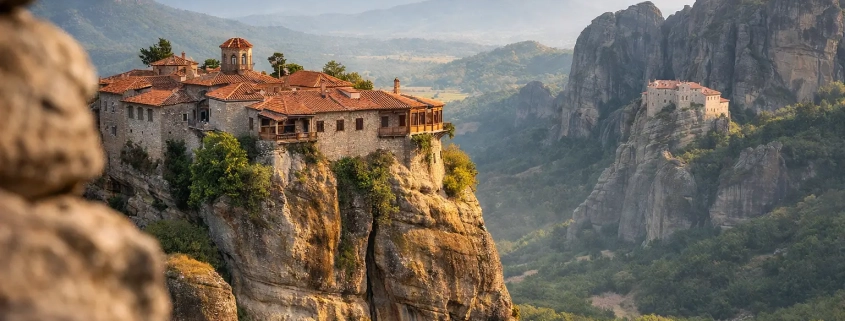
5. Meteora Day Tour from Athens

This UNESCO World Heritage site, where Byzantine monasteries appear to float on impossible rock pinnacles, ranks as Greece’s second-most spectacular attraction after the Acropolis, and this full-day tours in athens makes the 350-kilometer journey manageable in a single (long) day.

What’s included: Round-trip luxury coach or train transport, English-speaking guide, visits to 2-3 functioning monasteries (typically Great Meteoron and Varlaam), traditional Greek lunch in Kalambaka village, photo stops at multiple viewpoints capturing the otherworldly landscape.

Duration & pricing: 12 hours (6:30 AM-6:30 PM typically), €120-140 per person. Available as coach tour or scenic train option with coach transfer at Kalambaka.

Why it’s worth it: Meteora delivers jaw-dropping spectacle unlike anywhere else in Greece. The 14th-century monasteries, built by monks seeking isolation, cling to vertical rock formations rising 300 meters above the plains, a sight so surreal it’s been featured in James Bond films and Game of Thrones. This represents exceptional value for covering such distance and including lunch.

Long day warning: Expect 8 hours of total travel time (4 hours each direction). Bring motion sickness medication if prone, and wear modest clothing, shoulders and knees must be covered for monastery entry.

Discover our Meteora day tour options →


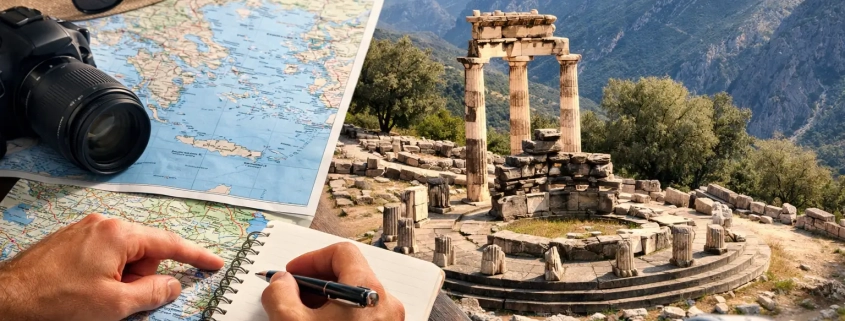
6. Delphi Full-Day Tour

Journey to ancient Greece’s spiritual heart, the Oracle of Delphi, where priestesses channeled Apollo’s prophecies and kings traveled from across the Mediterranean seeking divine guidance about wars, marriages, and city founding.

What’s included: Round-trip luxury coach, archaeological site entrance, Museum of Delphi showcasing the famous bronze Charioteer, mountain village of Arachova stop, traditional Greek lunch, English-speaking licensed guide bringing mythology and history to vivid life.

Duration & pricing: 10 hours, €95-120 per person. 8:00 AM departure recommended for morning site exploration before peak heat.

Why it’s worth it: Delphi’s mountain setting on the slopes of Mount Parnassus delivers both archaeological wonder and natural beauty. The ancient site’s dramatic location, where Greeks believed was literally the center of the world, combines with the exceptional museum collection to make this one of Greece’s most rewarding day trips. The scenic drive through central Greece’s olive groves and mountain villages adds bonus cultural immersion.

Altitude note: Delphi sits at 570 meters elevation, meaning temperatures run 5-8°C cooler than Athens, bring a light jacket even in summer.

Book your Delphi day trip →


7. Athens E-Bike Tour

Discover contemporary Athens beyond ancient ruins on this eco-friendly athens walking tours alternative that covers 3-4 neighborhoods, street art hotspots, and local-life glimpses impossible to achieve on foot within a 3-hour window.

What’s included: Quality e-bike rental, helmet, English-speaking guide, route through Plaka, Monastiraki, Psyrri, and Thissio neighborhoods, coffee/refreshment stop at a local café, small groups (8-10 people maximum).

Duration & pricing: 3 hours, €42-58 per person. Morning (9 AM) or late afternoon (4:30 PM) start times avoid midday heat.

Why it’s worth it: E-bikes’ pedal-assist technology conquers Athens’ hills effortlessly while letting you cover triple the ground of walking tours. You’ll explore neighborhoods like Exarchia (known for alternative culture and street art), stop at viewpoints locals frequent, and experience Athens as residents do, biking past bustling markets, neighborhood squares, and kafeneions (traditional coffee houses) where old men play backgammon.

No serious biking experience required, e-bikes make even Athens’ steep Acropolis-adjacent streets manageable. Routes stick to bike lanes and quieter streets for safety.


8. Ancient Corinth & Canal Tour

Step back 2,000 years to when Corinth rivaled Athens as Greece’s wealthiest, most cosmopolitan city, and visit the engineering marvel that sliced the isthmus in two, creating a shipping shortcut that ancient engineers dreamed about for centuries.

What’s included: Ancient Corinth archaeological site entrance, Temple of Apollo exploration, Corinth Canal photo stop (84-meter-deep cutting through solid rock), Acrocorinth fortress visit (optional, time permitting), English-speaking guide, round-trip luxury transport.

Duration & pricing: 8 hours, €85-110 per person. Full-day departure around 8:30 AM.

Why it’s worth it: This ranks among the best athens tours for archaeology enthusiasts because Corinth’s ruins, though less famous than Athens’, are actually better preserved and easier to visualize as a functioning ancient city. The Temple of Apollo, with its massive Doric columns intact since 540 BC, predates the Parthenon by a century. The Corinth Canal’s sheer walls create a spectacular photo opportunity impossible to capture elsewhere.

Combination tours available: Some operators combine Corinth with Nafplio (Greece’s first capital) or Nemea wine region for fuller Peloponnese exploration.

Explore Corinth tour options →


9. Athens Nightlife & Taverna Tour

Experience the Athens locals know, where dinner doesn’t start until 10 PM, live rembetika music spills from basement tavernas, and the concept of “closing time” is merely a suggestion, on this evening athens excursions adventure through the city’s most authentic nightlife neighborhoods.

What’s included: Visits to 3-4 traditional tavernas and bars, mezze (small plates) and drinks at each stop, live Greek music performance, English-speaking guide explaining contemporary Greek culture, small groups (8-12 people) ensuring intimate taverna access.

Duration & pricing: 4 hours (8:00 PM-midnight typical schedule), €70-95 per person. Friday-Saturday nights feature the liveliest music scenes.

Why it’s worth it: This offers cultural immersion impossible during daytime tours in athens. You’ll learn Greek drinking customs (why locals never say “cheers” without eye contact), hear rembetika, the “Greek blues” born in Piraeus refugee communities, and understand how modern Athenians socialize over hours-long meals with endless small plates.

Food volume: Expect 8-12 mezze dishes across the evening constituting a full dinner plus dessert. Come with appetite, and stamina for Greek hospitality’s generous spirit pours.


10. Athens Airport Layover Tour

Transform a tedious 6-8 hour Athens airport connection into productive sightseeing with these fast-paced athens layover tours designed specifically for transit passengers who want Acropolis photos and Plaka memories without risking missed flights.

What’s included: Airport pickup and guaranteed return drop-off (minimum 1.5 hours before flight departure), express Acropolis visit (exterior views or skip-the-line entry depending on time), Plaka neighborhood walk, Syntagma Square with Parliament building, private vehicle with driver, mobile phone provided for constant contact.

Duration & pricing: 4-6 hours depending on your layover length, €60-90 per person (or private vehicle rates for families). Flexible scheduling around your specific flight times.

Why it’s worth it: Athens International Airport sits just 35 kilometers from the Acropolis, closer than most major airports to their city centers. With professional logistics handling timing, you’ll safely experience Athens’ highlights without the stress of independent navigation and flight-missing anxiety. Many travelers report this transforms frustrating layovers into bonus destination experiences.

Minimum layover required: 6 hours between flights for comfortable experience. Airport security, customs, and boarding require 1.5-2 hours buffer before departure.

Book an Athens layover tour →


 Το ηλιοβασίλεμα στον Ναό του Ποσειδώνα στο Σούνιο, με θέα το Αιγαίο Πέλαγος, μια δημοφιλής ημερήσια εκδρομή από την Αθήνα.

How to Choose the Right Athens Tour

Consider Your Interests

History & archaeology enthusiasts should prioritize the Acropolis walking tour, Delphi, or Ancient Corinth for maximum artifact density and expert historical context. Foodies and cultural explorers get more value from the food market tour or nightlife experience that reveal contemporary Greek life. Photographers and nature lovers find sunset at Cape Sounion or Meteora’s dramatic landscapes most rewarding.

First-time visitors typically benefit from the comprehensive Acropolis walking tour as foundation, then add one day trip (Delphi or Meteora) if time permits. Return visitors should skip generic highlights for specialized experiences like the food tour or e-bike neighborhood exploration.

Budget Planning for Athens Tours

Athens tours pricing spans €42-140 per person for group experiences, with private tours athens commanding €280-350 total for 4-hour experiences splitting across your travel party.

Budget allocation strategy: Invest in guided experiences for complex sites (Acropolis, Delphi, Meteora) where context dramatically enhances appreciation, but explore straightforward neighborhoods (Plaka, Monastiraki) independently using free resources. Half-day morning tours leave afternoons for self-guided exploration, maximizing value without over-scheduling.

Hidden savings: Group tours often include skip-the-line access worth €15-20 value, plus transport costs (€50-70 for day trips if booking buses independently). Calculate total cost including admission fees, transportation, and your time value when comparing guided versus DIY approaches.

Best Time to Book Athens Tours

Book 2-4 weeks advance for popular summer (June-August) experiences when best athens tours sell out, particularly sunset tours, food experiences, and small-group walking tours capped at 12-15 participants.

Shoulder season wins (April-May, September-October): Athens tours during spring and fall deliver 30% lower prices, perfect weather (20-28°C versus summer’s 35°C+), and dramatically smaller crowds at archaeological sites. Autumn offers special advantages, September water temperatures remain swimmable, and October’s grape harvest adds wine-focused tour options.

Last-minute bookings work for large-coach tours and winter travel (November-March) when visitor numbers drop 60%. However, private tours and specialized experiences (food tours, e-bike adventures) maintain popularity year-round and benefit from advance booking.

Winter considerations: While Athens remains visitable year-round with mild Mediterranean climate, Meteora and Delphi tours face occasional cancellations during heavy rain or snow December-February.

Browse all Athens tour options →


Athens Tours: Insider Tips from Local Operators

After organizing athens greece tours for over 15 years and hosting 50,000+ travelers, local operators consistently recommend these crowd-beating strategies:

Best times to avoid crowds: Acropolis opens at 8 AM, arrive with morning tours during that first hour to experience the Parthenon with 85% fewer tourists than 11 AM peak. Alternatively, late afternoon visits (after 5 PM in summer) capture golden-hour lighting and departing crowds simultaneously.

Seasonal pricing differences: July-August command premium rates (€10-25 higher per tour) due to demand, while November-February drop 20-30% with identical quality experiences. March-April and September-October offer the sweet spot, excellent weather, manageable crowds, reasonable pricing.

Hidden fees to watch for: Most reputable athens tour operators include entrance fees in advertised prices, but budget options sometimes exclude Acropolis admission (€20), Meteora monastery fees (€3 per monastery), or lunch on day trips. Always confirm “total price” versus “tour price plus entrance fees separately.”

Tipping guidance: While not mandatory in Greece, exceptional guides appreciate €3-5 per person for half-day tours, €8-10 for full-day experiences. Cash tips work best.

Photography tip: Monastiraki Flea Market operates Sunday mornings only, if your tour includes Monastiraki, Sunday visits add vibrant market atmosphere missing other days.


Frequently Asked Questions About Athens Tours

How much do Athens tours cost?

Athens tours range from €35-150 per person depending on duration and inclusions, with half-day walking tours starting around €45-65, full-day trips to Delphi or Meteora costing €95-140, and private experiences running €280-350 total (splitting across your group). Food tours average €65-85, while specialized sunset or e-bike adventures fall in the €42-75 range.

Budget breakdown: Expect €100-150 daily for one morning walking tour plus one day trip, or €80-120 for a half-day private tour split among family members.

Are Athens tours worth it?

Yes, athens walking tours and guided day trips deliver 300-400% ROI when factoring saved planning time (3-5 hours per trip researching, booking transport, buying tickets), skip-the-line access (avoiding 60-90 minute queues at peak times), and knowledge value from expert guides who transform marble ruins into vivid historical narratives. Independent travelers miss 70% of archaeological context that makes ancient sites meaningful.

The cost-benefit case strengthens for complex sites (Acropolis, Delphi, Meteora) where guides provide irreplaceable insights, and for day trips where organized transport eliminates navigation stress and maximizes limited vacation time.

What’s the best Athens tour for first-timers?

The Acropolis & Ancient Athens walking tour represents the optimal first-timer choice, delivering maximum historical context and covering must-see highlights, Parthenon, Ancient Agora, Plaka, in a focused 3-4 hour window that leaves afternoon energy for independent exploration. Morning departures recommended to beat heat and crowds.

Follow with either Cape Sounion sunset (if visiting 3-4 days) or Meteora/Delphi day trip (if 5+ days) to experience both urban ancient Athens and Greece’s broader archaeological wealth.

Can I book Athens tours last minute?

Yes for large-group tours; advance booking recommended for specialized experiences. Major coach operators accommodate walk-up bookings or 24-48 hour advance reservations year-round, particularly for Acropolis walking tours and popular day trips. However, small-group food tours (limited to 12 people), private experiences, and peak summer weekend tours (June-August) sell out 1-2 weeks ahead.

Best practice: Book at least 3-7 days advance during high season, 24-48 hours minimum for shoulder/low seasons.

Do Athens tours include skip-the-line access?

Most professional athens day tours include skip-the-line privileges at the Acropolis, Ancient Agora, and other major archaeological sites, a significant value-add during summer when general admission queues reach 60-90 minutes in morning peak hours (9:30-11:30 AM). Confirm directly with operators, as some budget tours exclude this and meet you inside after independent entry.

Skip-the-line access alone justifies tour costs for June-August visitors when Acropolis daily visitors exceed 20,000 and heat makes extended queuing genuinely unpleasant.

What should I wear on Athens tours?

Comfortable walking shoes (not sandals), sun protection, and modest clothing for archaeological sites and especially monasteries (knees and shoulders covered). Athens’ marble surfaces get slippery; avoid flip-flops. Summer requires hat, sunglasses, and 50+ SPF sunscreen due to intense Mediterranean sun and minimal shade at ancient sites.

Temperature swings: Bring layers for early morning starts and mountain day trips (Delphi, Meteora) where temperatures run 5-10°C cooler than Athens. Winter (November-March) needs light rain jacket.

Are Athens tours suitable for children?

Yes, with age-appropriate selection. The Acropolis walking tour works well for children 8+ interested in mythology (many guides tailor stories for young audiences). Private tours offer maximum flexibility for bathroom breaks, snack stops, and energy management essential with kids under 10.

Avoid for young children: Long day trips (Meteora’s 12 hours, Delphi’s 10 hours) exhaust most kids under 12. Food tours work better for adventurous teen eaters than picky grade-schoolers.


Conclusion

Athens tours transform a good Greece vacation into an extraordinary one by unlocking layers of history, culture, and local knowledge impossible to access independently. From the Acropolis’ ancient marble to Meteora’s gravity-defying monasteries, these 10 carefully selected experiences deliver exceptional value across every budget and interest.

The winning strategy combines one comprehensive walking tour for archaeological foundation with specialized experiences, food adventures, sunset escapes, or neighborhood explorations, that reveal contemporary Athens’ character. Book morning time slots to conquer crowds, invest in skip-the-line access during summer, and don’t hesitate to choose private options when traveling with family or seeking flexible pacing.

Ready to transform your Athens visit from ordinary to unforgettable? Start planning your perfect Athens tour today →

https://www.athenstours.gr/wp-content/uploads/2025/12/best-athens-tours-acropolis-golden-hour.jpg-scaled.png 958 2560 Vassilios1 https://www.athenstours.gr/wp-content/uploads/2018/01/Timeless-2018.png Vassilios12025-12-10 13:49:442025-12-12 13:17:24Athens Tours 2025: 10 Must-Book Experiences Worth Every Euro
Ξεναγός εξηγεί την ιστορία του Παρθενώνα σε μικρό γκρουπ τουριστών κατά τη διάρκεια πρωινής ημι-ημερήσιας εκδρομής στην Ακρόπολη.

Athens Half Day Tours 2025: 7 Best Options + Why Full-Day Delivers Triple Value

December 10, 2025/0 Comments/in Athens Private Tours/by Vassilios1

Athens half day tours solve the time-constraint dilemma facing cruise passengers with brief port calls, business travelers squeezing sightseeing between conference sessions, and jetlagged international arrivals wanting manageable archaeological exploration before afternoon rest periods, delivering focused three to four hour experiences covering essential highlights like the Acropolis’ Parthenon and Propylaea gateway, Ancient Agora’s democratic institutions, or Temple of Olympian Zeus’ colossal columns without the exhaustion that eight-hour marathons sometimes create. These compact formats typically include hotel pickup, skip-the-line access bypassing entrance queues, licensed expert guide interpretation, and flexible morning or afternoon scheduling accommodating various daily commitments. However, honest evaluation reveals that athens day tours extending to full seven to eight hour durations deliver approximately triple the archaeological content, visiting seven to nine major sites versus two to three, for merely double the time investment, creating dramatically superior value per hour through comprehensive coverage that connects Athens’ classical monuments into coherent civilization narratives rather than isolated rushed glimpses. While half-day athens tours serve legitimate purposes for genuinely time-constrained visitors, most travelers discover that upgrading to comprehensive athens walking tours or structured athens city tour formats maximizes their limited Greek vacation days by delivering substantive understanding of democracy’s birthplace rather than superficial monument viewing that leaves educational potential unrealized, particularly when private athens tour options offer flexible pacing ensuring efficient use of every allocated minute.

What are Athens half day tours? Athens half day tours provide focused three to four hour archaeological experiences covering two to three major sites like Acropolis, Ancient Agora, or Temple of Zeus with licensed expert guides, hotel pickup, and skip-the-line access, though full-day alternatives visiting seven to nine monuments deliver triple the content for double the time, creating exponentially better value per hour invested through comprehensive coverage connecting classical Athens into coherent narratives.


What Are Athens Half Day Tours?

Athens half day tours represent condensed archaeological experiences consuming approximately three to four hours total from initial hotel pickup through final drop-off, designed specifically for travelers facing genuine time constraints preventing commitment to standard full-day seven to eight hour explorations. The format concentrates on Athens’ absolute essential highlights, typically two to three major sites, delivered through focused interpretation that covers fundamental historical contexts, architectural significance, and mythological narratives without the comprehensive depth that extended formats provide through visiting seven to nine interconnected monuments. These compact experiences appeal to specific traveler categories whose circumstances legitimately restrict available sightseeing time rather than merely preferring abbreviated versions of what should ideally receive fuller attention.

Typical Half-Day Tour Characteristics:

  • Duration: 3-4 hours total (hotel pickup to drop-off)
  • Sites covered: 2-3 major monuments maximum
  • Actual sightseeing time: Approximately 2-2.5 hours (50-65% of total)
  • Group sizes: 6-10 participants for small-group formats, or private family/couples
  • Departure timing: Morning (8:00-9:00am) or afternoon (2:00-3:00pm) options
  • Transportation: Premium vehicles with air conditioning and comfortable seating
  • Guide quality: Licensed archaeological experts or certified historians
  • Inclusions: Hotel pickup/drop-off, skip-the-line entrance tickets, expert interpretation
  • Exclusions: Lunch/meals (tour concludes before/after typical dining times)

The condensed format necessitates strategic site selection prioritizing Athens’ most iconic monuments that visitors absolutely shouldn’t miss even during brief stays. Most half-day itineraries center on the UNESCO World Heritage Acropolis as non-negotiable focal point given its global recognition and unparalleled significance as classical Greek architecture’s defining achievement, then add one or two supplementary stops like Ancient Agora, Temple of Olympian Zeus, or Panathenaic Stadium depending on departure timing, traffic conditions, and group walking pace. The limited duration prevents comprehensive city coverage, forcing operators making difficult choices about which significant archaeological zones get excluded, meaning half-day participants inevitably miss important sites that full-day athens guided tours would naturally incorporate into complete Athens narratives.

Time Allocation Breakdown (Typical 3.5 Hour Tour):

  • Hotel pickup and transport to first site: 20-30 minutes
  • First major site exploration (typically Acropolis): 90-100 minutes
  • Transport to second site: 15-20 minutes
  • Second site visit (Ancient Agora or Temple Zeus): 40-50 minutes
  • Return transport and hotel drop-off: 20-30 minutes
  • Actual archaeological sightseeing: 130-150 minutes (60% of total time)

This efficiency ratio, approximately sixty percent of paid tour time dedicated to actual monument exploration while forty percent disappears into logistics, represents decent performance for three to four hour windows but pales compared to full-day alternatives where logistics overhead gets amortized across longer durations, delivering seventy to seventy-five percent sightseeing efficiency through economies of scale that compact formats cannot achieve.


Οι Καρυάτιδες στο Ερέχθειο της Ακρόπολης, ένα από τα κύρια αξιοθέατα μιας σύντομης περιήγησης στην Αθήνα.

7 Best Athens Half Day Tour Options: Complete Coverage

Strategic half-day tour selection depends on matching limited time availability with personal priorities regarding which aspects of ancient Athens resonate most strongly, religious sanctuaries, democratic institutions, architectural achievements, or cultural experiences beyond pure archaeology.

Option 1: Acropolis Focus Tour (3 Hours)

The most popular half-day format concentrates exclusively on Athens’ signature monument complex, dedicating complete allocated time to thorough Acropolis exploration without attempting broader city coverage that compressed timeframes cannot adequately deliver.

Sites Covered:

  • Parthenon exterior and architectural details
  • Erechtheion with Porch of Maidens featuring six Caryatides
  • Propylaea monumental gateway
  • Temple of Athena Nike victory commemoration
  • Theatre of Dionysus on southern slopes
  • Panoramic Athens viewpoints from summit plateau

Best For:

  • First-time visitors prioritizing single most famous site
  • Photography enthusiasts wanting extended golden hour shooting time
  • Cruise passengers with 4-5 hour port calls
  • Families with young children (manageable walking, focused content)
  • Return visitors who’ve seen other sites previously

What Makes This Work: The focused approach prevents rushed herding between multiple dispersed locations, allowing guides providing comprehensive Acropolis interpretation explaining Parthenon’s optical refinements creating illusions of perfect symmetry, Erechtheion’s sacred olive tree and Poseidon’s trident marks from mythological contests, and Propylaea’s massive Doric columns framing ceremonial entrance to sacred precinct. The concentrated three-hour format suits athens acropolis walking tour preferences emphasizing depth over breadth.

Option 2: Ancient Athens Highlights Tour (4 Hours)

The ambitious compact format attempts covering Athens’ two most significant archaeological zones, Acropolis and Ancient Agora, within four-hour windows through efficient routing and strategic time allocation prioritizing essential features over comprehensive exploration.

Sites Covered:

  • Acropolis summit monuments (75 minutes)
  • Ancient Agora marketplace and democratic institutions (50 minutes)
  • Brief Temple of Olympian Zeus exterior viewing (15 minutes)
  • Hadrian’s Arch photo stop (10 minutes)

Best For:

  • Ambitious travelers wanting maximum coverage despite time limits
  • Business visitors with afternoon/evening free time after morning tours
  • Active energetic groups comfortable with brisk pacing
  • Travelers making return visits and wanting efficient refreshers

Trade-Offs: The ambitious four-hour scope means slightly rushed pacing at each location compared to focused three-hour Acropolis-only experiences, and guides must condense interpretation covering only essential historical contexts rather than diving deep into architectural details or mythological narratives. However, the format delivers genuine two-site coverage creating basic understanding of how Acropolis religious sanctuaries related to Agora’s democratic and commercial life, providing context that isolated hilltop visits miss entirely.

Option 3: Acropolis + Museum Combination (3.5 Hours)

The culture-focused variant combines outdoor monument viewing with indoor museum examination, appealing to travelers wanting comprehensive Acropolis understanding through seeing both original site contexts and preserved sculptures removed for conservation.

Sites Covered:

  • Acropolis archaeological site outdoor monuments (90 minutes)
  • Acropolis Museum original Caryatides and Parthenon friezes (60 minutes)
  • Brief neighborhood walk through museum district (15 minutes)

Best For:

  • Art and sculpture enthusiasts
  • Museum lovers prioritizing artifact examination
  • Rainy day alternatives (substantial indoor component)
  • Travelers interested in archaeological preservation techniques

Unique Value: The museum visit showcases original Parthenon frieze sections depicting Panathenaic festival processions, actual Caryatides from Erechtheion’s Porch of Maidens (outdoor versions are modern replicas), and colorful painted reconstructions revealing how monuments originally appeared before centuries of weathering stripped decorative pigments. The museum’s glass floor revealing ongoing excavations beneath the modern structure adds archaeological discovery dimension that outdoor-only tours cannot provide.

Option 4: Morning Markets + Acropolis Experience (3.5 Hours)

The cultural immersion variant incorporates authentic Greek daily life through traditional market visits before transitioning to classical archaeological exploration, appealing to travelers seeking experiences beyond pure monument viewing.

Sites Covered:

  • Central Athens food markets (Varvakios or neighborhood alternatives) – 40 minutes
  • Plaka neighborhood streets and Byzantine churches – 30 minutes
  • Acropolis highlights tour – 90 minutes

Best For:

  • Foodies wanting culinary cultural encounters
  • Travelers seeking authentic local life beyond tourist circuits
  • Photography enthusiasts capturing contemporary Greek culture
  • Visitors wanting balanced modern and ancient Athens perspectives

Cultural Bonus: Morning market visits reveal contemporary Athens through vendors selling fresh produce, aromatic spices, regional cheeses, cured meats, and seafood displays where locals actually shop rather than tourist-trap establishments, while guides explain ingredient selections for traditional recipes and negotiate sampling opportunities creating memorable cultural exchanges impossible during pure archaeological touring.

Option 5: Afternoon Cape Sounion Sunset Tour (4 Hours)

The coastal alternative exchanges ancient city monuments for dramatic seaside temple experiences, departing Athens mid-afternoon for sunset arrival at Poseidon’s clifftop sanctuary overlooking Aegean waters.

Sites Covered:

  • Scenic coastal drive along Athens Riviera (60 minutes)
  • Temple of Poseidon at Cape Sounion (90 minutes including sunset)
  • Brief beach town stop or return drive (40 minutes)

Best For:

  • Romantic couples wanting sunset experiences
  • Photography enthusiasts prioritizing dramatic lighting conditions
  • Travelers who’ve visited Athens archaeological sites previously
  • Those seeking peaceful natural settings beyond urban environments

Special Appeal: The sunset cape sounion tour format delivers completely different Athens area experiences showcasing coastal beauty and later-period Greek temple architecture while golden hour lighting transforms white marble columns into glowing amber monuments dramatically silhouetted against darkening skies, creating Instagram-worthy images impossible at midday urban archaeological zones.

Option 6: Ancient Agora Deep Dive (3 Hours)

The democracy-focused niche tour concentrates exclusively on Athens’ marketplace and political center where Socratic philosophy, democratic governance, and commercial life flourished, appealing to travelers with specific interests in political history or philosophical traditions.

Sites Covered:

  • Ancient Agora archaeological zone complete exploration
  • Stoa of Attalos reconstructed colonnade and museum
  • Hephaisteion temple (best-preserved classical Greek temple)
  • Tholos council chamber and democratic institutions

Best For:

  • Political science enthusiasts and democracy scholars
  • Philosophy students interested in Socratic dialogue locations
  • History buffs wanting depth over breadth
  • Return visitors focusing on previously unexplored zones

Specialized Value: The focused format allows guides devoting complete interpretation time to explaining how Athenian democracy functioned through citizen assemblies, jury courts, and council deliberations, where Socrates questioned conventional wisdom leading to his trial and execution, and how commercial life organized beneath colonnaded stoas that Roman kings like Attalos II later gifted to Athens, creating coherent political and philosophical narratives impossible when Agora becomes brief stop on rushed multi-site itineraries.

Option 7: Byzantine Athens Discovery (3.5 Hours)

The medieval-period alternative explores Athens’ Christian centuries through Byzantine churches, monasteries, and museum collections, offering completely different historical perspectives than classical Greek tours emphasize.

Sites Covered:

  • Byzantine and Christian Museum collection (60 minutes)
  • Historic church visits (Panagia Kapnikarea, Agios Eleftherios) – 40 minutes
  • Medieval quarter neighborhood walking (45 minutes)
  • Ottoman-period architecture brief overview (20 minutes)

Best For:

  • Church architecture enthusiasts
  • Medieval history scholars
  • Return visitors wanting fresh perspectives
  • Religious pilgrims interested in Orthodox Christian traditions

Niche Appeal: The specialized Byzantine focus reveals Athens’ less-famous but historically significant medieval centuries when classical temples converted to Christian churches, Venetian and Ottoman occupations transformed urban landscapes, and religious icon painting achieved artistic excellence, providing comprehensive historical continuity that classical-period-only tours leave unexplored despite these later eras lasting far longer than Athens’ brief fifth-century BCE Golden Age under Pericles.

Those evaluating options discover that while specialized half-day formats serve particular interests excellently, comprehensive athens tour packages extending to full-day durations allow experiencing multiple facets, classical monuments, democratic institutions, coastal beauty, cultural markets, within single coherent narratives rather than forcing difficult either-or choices that compact timeframes necessitate.


Ταξιδιώτες απολαμβάνουν παραδοσιακό ελληνικό γεύμα σε ταβέρνα της Πλάκας, μέρος μιας ολοήμερης πολιτιστικής εμπειρίας.

Half Day Tour Value Analysis: The Mathematics of Time Efficiency

Objective comparison reveals that half-day tours’ apparent convenience advantages diminish substantially when calculating actual archaeological exploration time versus total hours invested, and how dramatically full-day alternatives improve educational value per minute.

Athens Half-Day vs Full-Day Tour Efficiency Comparison

MetricHalf-Day ToursFull-Day ToursAdvantage Margin
Total duration3-4 hours7-8 hours+2x time investment
Major sites covered2-3 monuments7-9 monuments+3-4x content!
Actual sightseeing time2-2.5 hours5-6 hours+2.5x exploration
Logistics overhead1-1.5 hours (40%)1.5-2 hours (25%)Far more efficient
Time efficiency ratio60% sightseeing75% sightseeing+25% better use
UNESCO sites accessed1 typically2-3 sitesComplete coverage
Archaeological periods coveredSingle era focusClassical through RomanComprehensive timeline
Lunch/cultural immersion❌ Not included✅ Authentic tavernaBonus experience
Guide narrative coherenceFragmented glimpsesComplete civilization storyTrue understanding
Photography diversityLimited locationsMultiple perspectivesVaried portfolio
Value per actual sightseeing hourModerateExceptional~2.5x better ROI
Afternoon availability✅ Remains free❌ ConsumedSchedule trade-off

Winner: Full-day tours deliver triple the archaeological content (7-9 sites vs 2-3) for double the time investment (7-8 hours vs 3-4), creating 50% better efficiency through economies of scale

The Time Allocation Reality: Where Your Hours Actually Go

Understanding how three to four hour allocations actually distribute across various tour components reveals why half-day formats feel surprisingly rushed despite seemingly adequate durations for covering two to three sites.

Typical Half-Day Tour Time Breakdown (3.5 Hours Total):

  • Hotel pickup and transport to Acropolis: 25 minutes
    • Navigate morning traffic through central Athens streets
    • Find parking near archaeological site entrance
    • Organize group and distribute audio equipment if needed
  • Entrance procedures and initial orientation: 10 minutes
    • Skip-the-line processing still requires ticket validation
    • Security screening and bag checks
    • Guide provides overview and safety briefing
  • Acropolis exploration: 95 minutes
    • Ascent from entrance to summit plateau: 15 minutes
    • Parthenon examination and photography: 35 minutes
    • Erechtheion, Propylaea, Temple Athena Nike: 30 minutes
    • Panoramic viewpoints and photo opportunities: 15 minutes
  • Transport to Ancient Agora: 15 minutes
    • Navigate from Acropolis to Agora entrance
    • Brief rest stop, bathroom break
  • Ancient Agora visit: 45 minutes
    • Stoa of Attalos and museum: 20 minutes
    • Democratic institutions overview: 15 minutes
    • Hephaisteion temple: 10 minutes
  • Return transport and hotel drop-off: 25 minutes
    • Navigate afternoon traffic patterns
    • Sequential hotel deliveries

Total Actual Archaeological Sightseeing: 140 minutes (67% of 210-minute tour)

While sixty-seven percent efficiency appears respectable, the rushed pacing at each individual site means guides must condense interpretation covering only essential facts rather than providing the architectural details, mythological depth, and historical contexts that transform stone ruins into meaningful civilization narratives. Photography opportunities get abbreviated as guides monitor timing ensuring departure schedules maintain integrity, and participants rarely feel they’ve truly absorbed information before moving to next locations.

What Half-Day Tours Force You Missing

The condensed format’s greatest limitation isn’t what gets briefly covered but rather the significant archaeological zones, cultural experiences, and contextual connections that time constraints completely eliminate from itineraries.

Major Sites Excluded from Standard Half-Day Formats:

  • Temple of Olympian Zeus (if not specifically chosen as one of 2-3 stops)
  • Panathenaic Stadium and Olympic history
  • Roman Agora and Tower of the Winds
  • Hadrian’s Library ruins
  • Kerameikos ancient cemetery
  • Plaka neighborhood authentic taverna lunch experiences
  • Acropolis Museum (unless specifically chosen over outdoor Agora)
  • Multiple Byzantine churches showcasing medieval Athens
  • Local market cultural immersion opportunities
  • Lyceum archaeological site (Aristotle’s philosophical school)

Contextual Narratives Lost Through Fragmented Visiting:

Full-day meteora day tour or delphi day trips alternatives demonstrate how extended durations allow guides building coherent narratives connecting disparate monuments into civilization stories, explaining how Acropolis religious sanctuaries related to Agora democratic institutions, how Panathenaic Stadium athletic competitions honored Athena whose temples crowned the sacred rock, how Temple of Olympian Zeus’ Roman-period construction revealed Athens’ transformation from independent city-state to provincial capital. Half-day tours deliver isolated monument facts without these connective threads that create genuine understanding versus superficial checkbox tourism.

The Afternoon Void Consideration:

Completing half-day tours by noon or 1:00pm leaves substantial unstructured afternoon time that many travelers discover challenging to fill productively. The remaining hours prove too long for simple hotel relaxation but too short for spontaneous additional sightseeing requiring research, transportation coordination, and entrance logistics. This “dead time” paradox means half-day tour participants often waste three to four afternoon hours lounging in hotel rooms or wandering aimlessly through tourist-trap Plaka shops, representing opportunity costs that full-day comprehensive tours eliminate by maximizing productive cultural engagement throughout complete days.


Το ηλιοβασίλεμα στον Ναό του Ποσειδώνα στο Σούνιο, μια δημοφιλής επιλογή για απογευματινή ημι-ημερήσια εκδρομή από την Αθήνα.

When Athens Half Day Tours Make Genuine Sense

Honest assessment acknowledges legitimate scenarios where half-day formats serve traveler needs excellently despite their efficiency limitations compared to full-day alternatives, primarily when genuine time constraints rather than mere preference dictate abbreviated exploration.

Half-Day Tours Work Excellently For:

  • Cruise passengers with 4-6 hour port calls – Limited time between ship docking and mandatory return creates hard constraints making half-day tours only feasible option
  • Business travelers attending conferences – Morning or afternoon gaps between professional commitments allow archaeological experiences without disrupting work schedules
  • Return visitors who’ve seen main sites previously – Focused revisits to favorite monuments or exploring previously missed niche sites like Byzantine Athens or specific museums
  • Jetlag recovery management – First-day manageable activities preventing exhaustion while adjusting to eight-hour time differences from North America
  • Multi-day Athens stays spreading experiences – Travelers spending three to five days in Athens can dedicate different half-days to various themes rather than marathon single sessions
  • Families with young children under age 8 – Shorter attention spans and lower stamina levels make three-hour tours more appropriate than eight-hour days causing meltdowns
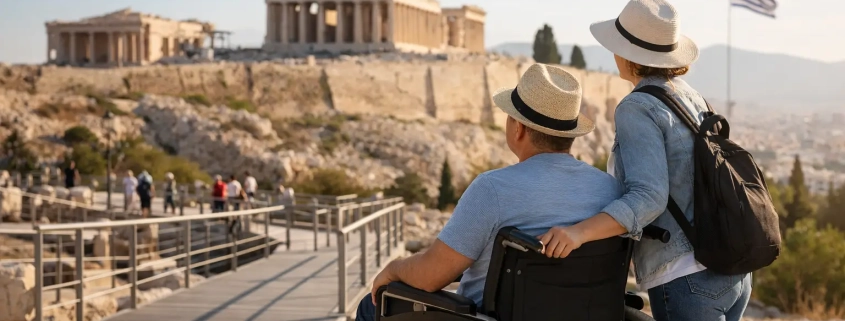
  • Travelers with mobility limitations – Reduced walking demands and lower physical exertion suit accessibility needs better than extended full-day formats
  • Afternoon Cape Sounion sunset seekers – The specific timing requirements for golden hour photography necessitate afternoon departures creating natural half-day formats

Full-Day Tours Deliver Better Value For:

  • First-time Athens visitors – Comprehensive coverage ensures experiencing essential highlights without difficult prioritization choices that limited time forces
  • Greece as primary destination (not brief stopover) – When Athens receives substantial vacation day allocation, maximizing each day’s educational depth justifies extended touring
  • Archaeology and history enthusiasts – Passionate interests in classical civilization deserve comprehensive treatment that fragmented glimpses cannot satisfy
  • Families with teenagers and adults – Age groups possessing stamina and attention spans for extended cultural engagement benefit from deeper educational experiences
  • Single-day Athens allocations – Travelers with literally one day before departing to islands or other destinations must maximize limited windows
  • Value-conscious travelers – Those calculating cost-per-sightseeing-hour recognize full-day tours delivering exponentially better returns per dollar invested
  • Travelers seeking authentic cultural immersion – Extended formats include taverna lunches, market visits, and neighborhood exploration creating genuine encounters beyond monument viewing
  • Photography enthusiasts wanting diverse portfolios – Multiple locations across varied lighting conditions throughout full days create comprehensive visual documentation

The decision ultimately depends on honestly assessing whether time constraints represent genuine immovable restrictions or merely default assumptions about “reasonable” tour durations. Many travelers initially request athens small group tours in half-day formats believing three to four hours represents maximum practical commitment, only to discover during actual experiences that their interest, energy, and engagement levels easily sustain extended exploration when content proves sufficiently fascinating and pacing remains comfortable through expert guide management.


Full-Day Alternative Advantages: Why Extended Tours Win

Comprehensive comparison reveals that full-day formats deliver dramatically superior experiences not merely through visiting more sites but through qualitative improvements in educational depth, cultural immersion, and overall satisfaction that abbreviated tours cannot replicate regardless of operational excellence.

Content Multiplication: 3x Sites for 2x Time

The mathematical advantage proves decisive for value-conscious travelers calculating return on their limited vacation day investments. Half-day tours consuming three to four hours visit two to three major sites, while full-day alternatives extending seven to eight hours cover seven to nine monuments, delivering triple or quadruple the archaeological content for merely double the time commitment. This efficiency multiplication stems from logistics overhead, hotel pickups, entrance procedures, security screening, return drop-offs, consuming similar absolute minutes whether tours last three or eight hours, meaning extended formats amortize fixed costs across longer productive periods while compact tours waste proportionally larger percentages on non-sightseeing activities.

Narrative Coherence: Connecting Athens’ Civilization Story

Extended durations allow guides constructing coherent narratives explaining how Athens’ various monuments interconnected as integrated civilization rather than isolated attractions visited sequentially. Full-day tours explain how Panathenaic festival processions depicted on Parthenon friezes began in Ancient Agora, processed through city streets, and climaxed with ceremonial robe presentations to Athena’s statue inside the Parthenon, rituals integrating religious devotion with civic identity impossible to appreciate when experiencing sites separately. The connections between Acropolis religious sanctuaries and Agora democratic institutions, how Panathenaic Stadium athletic traditions honored the goddess whose temples crowned the sacred rock, and how Roman-period Temple of Olympian Zeus revealed Athens’ transformation from independent city-state to provincial capital create comprehensive understanding that fragmented half-day glimpses cannot deliver.

Lunch Cultural Immersion: Beyond Pure Archaeology

Full-day formats include authentic taverna meal experiences where traditional Greek cuisine, neighborhood dining atmospheres, and guide-facilitated cultural conversations create genuine immersion beyond monument viewing. The leisurely lunches allow tasting regional specialties, grilled octopus with lemon-oregano dressing, slow-cooked lamb with kritharaki pasta, fresh horiatiki salad, local wines, while guides explain culinary traditions, dining customs, and contemporary Greek life that sanitized tourist-trap restaurants or completely skipping meals cannot provide. These cultural encounters often become trip highlights creating warm personal memories complementing intellectual archaeological education.

Photography Diversity: Multiple Locations and Lighting Conditions

Seven to eight hour durations span sufficient time experiencing various lighting conditions from morning’s soft illumination through midday’s harsh overhead sun to late afternoon’s golden hour glow, allowing photographers capturing monuments under optimal conditions while visiting multiple dispersed locations creating diverse visual portfolios. Half-day tours concentrating on single morning or afternoon windows limit lighting variety, and visiting only two to three sites restricts compositional diversity regardless of individual location quality.

Flexible Pacing: Lingering at Fascinating Features

Extended formats provide temporal cushions allowing guides adapting to group interests, spending additional time when particular sites captivate participants, condensing visits to monuments generating less enthusiasm, adding spontaneous stops when unexpected opportunities arise, or modifying routes when weather, crowds, or traffic suggest better alternatives. Three to four hour tours operate on razor-thin timing margins where every minute matters for maintaining schedule integrity, forcing guides rushing participants through fascinating features to prevent cascading delays jeopardizing subsequent bookings or return timing commitments.

Those comparing options honestly recognize that best athens tours formats consistently receive highest satisfaction ratings not despite their extended durations but precisely because seven to eight hour comprehensive coverage allows experiencing Athens properly rather than sampling fragments that leave educational curiosity unsatisfied and cultural engagement potential unrealized.

Frequently Asked Questions

Are Athens half day tours worth it?

Half-day tours work for cruise passengers, business travelers, or jetlagged arrivals with genuine time constraints. They deliver focused 3-4 hour experiences covering 2-3 major sites. However, they dedicate only 60-67% of time to actual sightseeing versus logistics overhead. Full-day alternatives deliver triple the content (7-9 sites vs 2-3) for double the time, creating 2.5x better value per hour through comprehensive coverage, authentic taverna lunches, and coherent civilization narratives versus fragmented glimpses.


How long do Athens half day tours actually last?

Standard half-day tours run 3-4 hours total from hotel pickup to drop-off, with only 2-2.5 hours dedicated to archaeological sightseeing (60-67% efficiency). Remaining time covers logistics: transport, entrance procedures, site-to-site travel, return drop-off. Focused Acropolis-only tours run exactly 3 hours, while two-site combinations extend to 4 hours. Comprehensive day tours improve efficiency to 75% by amortizing logistics across longer durations while visiting 7-9 monuments.


Can I see the Acropolis and other sites in half day?

Yes, ambitious 4-hour tours combine Acropolis (90 minutes) with Ancient Agora or Temple Zeus (40-50 minutes) through efficient routing. However, rushed pacing means condensed interpretation covering only essential facts versus comprehensive depth. Photography opportunities get abbreviated maintaining tight schedules. Full-day tours visiting 7-9 sites at comfortable pacing allow thorough exploration, ample photos, taverna lunch, and expert narratives connecting monuments into coherent civilization stories versus isolated glimpses.


What’s the best time for Athens half day tours?

Early morning departures (8:00-9:00am) deliver optimal experiences: manageable crowds, comfortable temperatures before intense heat, soft photography lighting, fresh guide energy, and preserved afternoon availability. Afternoon tours (2:00-3:00pm) suit travelers with morning commitments but mean peak heat, heavier crowds, and harsh lighting until golden hour. Winter afternoons face 5:00pm site closures limiting exploration time. Private tours offer maximum scheduling flexibility within site hours and guide availability.


Do Athens half day tours include lunch?

No, half-day tours exclude meals since 3-4 hour durations conclude before/after typical Greek dining times. Morning tours finish by noon/1:00pm, while afternoon tours depart after lunch periods. Including restaurant stops would consume 45-60 minutes from limited windows, reducing sightseeing to barely 90 minutes. Full-day tours naturally incorporate authentic taverna lunches where guides explain Greek cuisine, dining customs, and contemporary culture. These experiences create warm memories complementing archaeological education.


Are half day tours good for families with children?

Half-day tours work excellently for young children under 8 whose attention spans and stamina naturally limit sustainable touring. Three-hour focused experiences prevent fatigue-induced meltdowns while providing genuine cultural education, allowing afternoons for child-friendly activities like pools or playgrounds. However, families with teenagers benefit dramatically from full-day alternatives since adolescents possess energy sustaining extended engagement, creating substantive understanding versus superficial glimpses while incorporating authentic restaurants and diverse photography opportunities satisfying teen interests.


How much do Athens half day tours cost?

Pricing varies by format, group size, and inclusions. Direct operator consultation provides accurate rates since costs fluctuate seasonally. Private family tours typically cost more than small-group formats, while specialized options price differently depending on entrance fees and guide expertise. However, calculate cost per actual sightseeing hour: full-day tours deliver 2.5x better value despite costing 60-70% more. Paying 60% extra for 150% more content creates superior returns. Explore comprehensive tour options comparing available formats.

Conclusion

Athens half day tours solve genuine logistical challenges facing time-constrained travelers—cruise passengers with brief port calls, business visitors squeezing culture between conference sessions, jetlagged arrivals wanting manageable first-day activities—by delivering focused three to four hour experiences covering essential highlights like Acropolis monuments, Ancient Agora democratic institutions, or Temple of Olympian Zeus through efficient formats with hotel pickup, skip-the-line access, and licensed expert interpretation. These compact itineraries serve legitimate purposes when schedule constraints represent truly immovable restrictions preventing commitment to extended exploration rather than merely default assumptions about “reasonable” tour durations.

However, honest mathematical analysis reveals concerning efficiency limitations: half-day tours dedicate approximately sixty to sixty-seven percent of paid time to actual archaeological sightseeing while thirty-three to forty percent disappears into logistics overhead, and visiting only two to three major sites leaves substantial educational gaps regarding how Athens’ various monuments interconnected as integrated civilization rather than isolated attractions. Full-day alternatives consuming seven to eight hours deliver triple or quadruple the content—seven to nine major sites versus two to three—while improving sightseeing efficiency to seventy to seventy-five percent through amortizing fixed logistics costs across longer productive periods, creating dramatically superior value per hour invested.

Beyond mere quantity advantages, extended formats provide qualitative improvements impossible within compressed timeframes: coherent narratives connecting Athens’ religious sanctuaries to democratic institutions and athletic traditions rather than fragmented isolated facts, authentic taverna lunch cultural immersion beyond pure monument viewing, diverse photography opportunities across varied lighting conditions and multiple locations, flexible pacing allowing lingering at fascinating features rather than rushed herding maintaining tight schedules, and genuine educational satisfaction from comprehensive exploration rather than superficial glimpses leaving curiosity unsatisfied.

Most travelers initially requesting half-day tours discover during actual experiences that their interest, energy, and engagement levels easily sustain extended exploration when content proves sufficiently fascinating and expert guides maintain comfortable pacing through varied activities alternating intensive learning with rest opportunities and social bonding. The modest time difference between abbreviated and comprehensive formats—three additional hours transforming half-day into full-day—represents negligible vacation day sacrifices compared to exponential improvements in archaeological understanding, cultural immersion, and overall satisfaction that complete Athens experiences deliver.

Ready to maximize your limited Greek vacation days through comprehensive archaeological exploration rather than settling for rushed glimpses leaving educational potential unrealized? Book full-day Athens tours today and discover why travelers consistently rate extended experiences as trip-defining highlights that exceeded expectations, while half-day participants more commonly express wishes they’d allocated additional time for proper Athens engagement rather than accepting abbreviated formats serving operational convenience over genuine educational excellence. The investment difference barely registers in total vacation costs, but memory quality and understanding depth prove incomparable when comparing fragmented sampling versus meaningful immersion in democracy’s birthplace where Western civilization’s foundational achievements deserve thorough rather than superficial appreciation.

https://www.athenstours.gr/wp-content/uploads/2025/12/athens-half-day-tour-acropolis-parthenon-guide.jpg-scaled.webp 1235 2560 Vassilios1 https://www.athenstours.gr/wp-content/uploads/2018/01/Timeless-2018.png Vassilios12025-12-10 13:44:512025-12-12 13:16:51Athens Half Day Tours 2025: 7 Best Options + Why Full-Day Delivers Triple Value
Μικρό γκρουπ τουριστών απολαμβάνει ιδιωτική ξενάγηση στον Παρθενώνα με προσωπικό ξεναγό χωρίς συνωστισμό.

Athens Escorted Tours 2025: Complete Guide + Why Small-Group Private Tours Win

December 10, 2025/0 Comments/in Athens Acropolis Tour/by Vassilios1

Traditional Athens escorted tours promise hassle-free sightseeing through organized group experiences where professional tour directors coordinate logistics, licensed local guides provide monument interpretation, and pre-arranged transportation eliminates navigation confusion across the ancient city’s sprawling archaeological zones. The format appeals to travelers seeking structured itineraries without independent planning burdens, offering comprehensive site coverage through established routes connecting the Acropolis’ Parthenon and Propylaea gateway, Ancient Agora’s democratic institutions, Temple of Olympian Zeus’ colossal Corinthian columns, and Panathenaic Stadium’s marble Olympic legacy. However, traditional escorted tour formats typically accommodate thirty to fifty participants traveling together on large tour buses with rotating local guides at each destination, creating impersonal dynamics where hearing guide commentary becomes challenging in crowded conditions, asking questions competes with dozens of fellow tourists seeking attention, and flexible pacing disappears beneath rigid schedules serving operational efficiency rather than educational quality. Smart travelers increasingly recognize that Athens day tours through small-group private formats, limiting participants to six to ten maximum, deliver escorted tours’ organizational benefits WITHOUT large-group downsides, providing stress-free logistics and expert interpretation through intimate sizes ensuring personal attention, flexible pacing, and authentic encounters impossible when herding fifty tourists through predetermined circuits.

What are Athens escorted tours? Athens escorted tours provide organized group experiences where professional tour directors coordinate logistics and licensed local guides interpret major archaeological sites including Acropolis, Ancient Agora, and Temple of Zeus across four to five hour itineraries, though traditional formats accommodating thirty to fifty participants sacrifice personal attention and flexibility that small-group private tours (six to ten participants) preserve while delivering identical organizational benefits through stress-free planning, comprehensive coverage, and expert guides.


Εξειδικευμένος ξεναγός αλληλεπιδρά προσωπικά με ταξιδιώτες στην Αρχαία Αγορά δείχνοντας ιστορικά στοιχεία.

What Are Athens Escorted Tours?

Athens escorted tours represent organized group travel experiences where professional tour directors accompany participants throughout their journey, coordinating all logistical elements, transportation, entrance tickets, scheduled departures, restaurant reservations, hotel pickups, eliminating independent planning burdens that sometimes overwhelm travelers unfamiliar with Athens’ sprawling metropolitan layout or Greek language barriers. The “escorted” designation indicates continuous professional oversight beyond mere guided site visits, with tour directors managing group dynamics, troubleshooting unexpected challenges like traffic delays or weather changes, and ensuring every participant remains accounted for throughout the day’s activities. Unlike independent touring requiring travelers to navigate unfamiliar transit systems, purchase tickets at archaeological sites potentially facing lengthy queues, and coordinate timing between dispersed monuments, escorted formats provide turnkey experiences where every element gets pre-arranged by professionals.

The standard structure combines group transportation via comfortable air-conditioned buses or coaches accommodating the full participant roster, hotel pickups eliminating early morning navigation confusion, and rotating local guides at each major site providing specialized interpretation of the Acropolis’ classical monuments, Ancient Agora’s democratic history, and supplementary stops depending on tour duration and scope. Tour directors typically hold general tourism knowledge but aren’t necessarily licensed archaeological experts for specific monuments, instead coordinating with professional local guides who join at each destination to provide detailed historical and architectural interpretation. This division allows tour directors focusing on logistics and group management while site-specific guides deliver specialized expertise about Parthenon construction techniques, Socratic philosophy practiced in Agora colonnades, or Olympic traditions preserved at Panathenaic Stadium.

Group sizes for traditional escorted tours commonly range from thirty to fifty participants traveling together as cohesive units, with some premium operators limiting groups to twenty-five while budget-oriented companies occasionally exceed fifty when demand justifies deploying larger coaches. The large-group format creates economies of scale allowing operators offering comprehensive coverage at competitive rates since fixed costs like transportation and guide fees distribute across numerous paying participants, explaining why escorted tours sometimes appear attractively priced compared to private alternatives. However, the volume approach necessitates trade-offs in personal attention, flexibility, and pace that many travelers only recognize after experiencing the impersonal dynamics that thirty-person groups inevitably create regardless of tour director competence or guide expertise. Those seeking organized logistics without large-group compromises discover that Athens tours through small-group private formats deliver superior experiences by preserving escorted benefits while eliminating volume-driven downsides through intimate participant numbers.


Πολυτελές μίνι βαν για ιδιωτικές εκδρομές στην Αθήνα που παραλαμβάνει ταξιδιώτες από το ξενοδοχείο τους.

How Athens Escorted Tours Operate: The Complete Process

Understanding traditional escorted tour mechanics reveals both their organizational strengths and inherent limitations that stem from large-group operational requirements prioritizing efficiency over personalized experiences.

Morning: Centralized Hotel Pickups and Group Assembly

Escorted tours begin with coordinated hotel pickups across central Athens neighborhoods between 8:00am and 9:00am, with tour directors or assistant guides collecting participants from multiple accommodations following predetermined routes optimizing driving efficiency. Travelers receive specific pickup times typically ranging across thirty to sixty minute windows as buses navigate morning traffic collecting passengers sequentially, meaning those picked up early experience extended waiting aboard the vehicle while the route completes. The final assembly point, often a major hotel or central landmark, becomes the staging area where tour directors conduct headcounts, distribute wireless audio receivers allowing participants hearing guide commentary despite crowd noise, and deliver orientation briefings explaining day schedules, designated meeting times at each stop, and emergency contact procedures.

The large coach departure creates immediate group dynamics as thirty to fifty strangers navigate seat selection, luggage storage, and initial social interactions that characterize any large-group travel experience. Tour directors typically encourage introductions and facilitate ice-breaking conversations during the initial driving segments, creating friendly atmospheres that appeal to solo travelers or couples seeking social experiences beyond isolated independent sightseeing. However, the volume inherently prevents meaningful personal connections developing beyond superficial pleasantries, and shy or introverted participants sometimes feel overwhelmed by enforced socialization in confined coach environments where opting out proves difficult.

Site Visits: Rotating Guides and Timed Rotations

Upon arriving at major archaeological sites like the Acropolis, groups disembark while tour directors coordinate with licensed local guides who join specifically for that location’s interpretation. The rotating guide system allows operators employing specialists with deep knowledge of particular monuments rather than expecting single guides maintaining expertise across Athens’ diverse historical periods and architectural styles spanning classical Greek through Byzantine and Ottoman eras. However, the rotation means participants experience varying guide quality, presentation styles, and personality types across the day, preventing the relationship building and interpretive continuity that develops when single expert guides accompany groups throughout complete experiences.

The timed rotation structure becomes apparent as guides deliver standardized ninety-minute presentations covering predetermined content while tour directors monitor schedules ensuring timely departures maintaining overall itinerary integrity. Groups move together as cohesive units through monuments, with stragglers receiving reminders about designated meeting times and departure locations that cannot accommodate individual desires for extended exploration at particularly fascinating features. Photography opportunities occur at designated viewpoints where guides pause briefly allowing participants capturing images, though the collective thirty to fifty people simultaneously photographing identical angles creates crowding that undermines the intimate archaeological appreciation many travelers envision when booking Athens tours.

Lunch: Pre-Arranged Group Restaurant Experiences

Midday meals occur at restaurants holding pre-negotiated contracts with tour operators, typically large establishments capable of accommodating thirty to fifty simultaneous diners through dedicated sections or entire floors reserved for tour groups. The pre-set menus offer limited selections, usually three to four main course options, prepared in advance allowing efficient service for large numbers but rarely representing authentic Greek cuisine’s quality and diversity that family-owned tavernas provide. Pricing structures favor tour operators through bulk arrangements rather than diners receiving value, and the segregated tourist sections eliminate cultural immersion opportunities that independent travelers experience when dining alongside local Athenians in neighborhood establishments.

The group dining format does facilitate social bonding as participants share tables, exchange travel stories, and develop camaraderie through shared experiences. For solo travelers particularly, the guaranteed social interaction represents genuine value that compensates somewhat for culinary mediocrity and tourist-trap atmospheres. However, travelers prioritizing authentic food experiences and cultural encounters beyond archaeology find pre-arranged group meals disappointing compared to athens walking tours through small-group formats where guides recommend family-owned tavernas serving traditional recipes in atmospheres where locals actually dine rather than tourist-exclusive establishments optimized for volume processing.

Afternoon: Continued Sites and Scheduled Conclusions

Post-lunch itineraries follow similar patterns through additional archaeological zones, museums, or supplementary attractions depending on tour scope and duration. The afternoon segments sometimes feel rushed as tour directors monitor timing ensuring return schedules align with hotel drop-off commitments and traffic patterns that worsen during evening rush hours. Fatigue begins affecting group dynamics as participants tire from extended walking, Mediterranean heat, and information overload from continuous guide commentary across multiple hours, with some members disengaging while others remain energized creating pacing tensions that tour directors navigate through enforced schedules favoring median energy levels rather than accommodating individual variations.

The concluding hotel drop-offs reverse morning pickup routes, delivering participants to respective accommodations between 2:00pm and 4:00pm for half-day tours or 5:00pm to 7:00pm for full-day experiences. Tour directors bid farewells, collect audio receivers, and sometimes solicit tips through subtle social pressure created when thirty participants witness others contributing gratuities in visible envelopes passed through coach aisles. The experience concludes functionally with participants having covered major sites efficiently but often feeling they’ve experienced Athens through tourist-filtered lenses rather than authentic cultural immersion that athens city tour alternatives through small intimate groups more readily facilitate.


Ταξιδιώτες απολαμβάνουν αυθεντικό ελληνικό γεύμα σε παραδοσιακή ταβέρνα της Πλάκας κατά τη διάρκεια ιδιωτικής εκδρομής.

Limitations of Traditional Escorted Tours: What They Won’t Advertise

Marketing materials emphasize escorted tours’ organizational strengths while understating inherent limitations that stem from large-group operational requirements fundamentally incompatible with personalized, flexible, authentic archaeological exploration.

Challenge #1: Impersonal Large-Group Dynamics

Thirty to fifty participants traveling together create inevitable anonymity where tour directors cannot possibly remember everyone’s names, preferences, or questions, reducing individuals to numbered headcount units rather than valued clients deserving personal attention. Guide commentary gets delivered to masses rather than individuals, with explanations targeting median knowledge levels frustrating both archaeology enthusiasts seeking depth and casual tourists wanting simplified overviews. The volume makes asking questions awkward since thirty people cannot all receive detailed personalized answers without derailing schedules, forcing participants swallowing curiosity or settling for brief generic responses that don’t satisfy genuine interest. Photography becomes competitive exercise as dozens simultaneously compete for identical Parthenon angles at designated viewpoints, eliminating intimate moments of archaeological appreciation in favor of rushed selfie-gathering beneath herding pressure.

Challenge #2: Rigid Inflexible Schedules

Fixed itineraries cannot accommodate individual interests when thirty participants hold divergent priorities, some wanting extended Acropolis time while others prefer rushing to next stop, some fascinated by architectural details while others prioritize photography, some energized for extended exploration while others tire and desire rest breaks. Tour directors must maintain predetermined timing ensuring overall schedule integrity regardless of whether specific stops captivate or bore particular participants, creating situations where groups get rushed through fascinating sites to maintain timing while spending excessive duration at locations holding minimal interest for certain members. The inflexibility extends to weather adjustments, traffic delays, or spontaneous opportunities that private experiences readily accommodate but large-group operations cannot without cascading schedule disruptions affecting subsequent bookings, restaurant reservations, and driver shift schedules.

Challenge #3: Inconsistent Rotating Guide Quality

Employing different local guides at each major site means experiencing variable interpretation quality, personality types, presentation styles, and English language proficiency across the day. Some guides prove engaging storytellers bringing ancient Athens alive through vivid narratives, while others deliver dry fact recitation inducing participant disengagement. The inconsistency prevents relationship building that develops when single expert guides accompany groups throughout complete experiences, learning participant interests and adjusting interpretation depth and topics accordingly. Tour directors cannot ensure every rotating guide maintains consistent excellence, and participants drawing poor guides at particular stops simply endure subpar interpretation since escorted formats provide no mechanism for requesting guide changes or extended time with particularly excellent guides encountered earlier.

Challenge #4: Tourist-Trap Restaurant Experiences

Pre-arranged group dining contracts favor establishments prioritizing volume capacity and tour operator commission structures over authentic cuisine quality or cultural atmosphere. The segregated tourist sections eliminate opportunities for cultural immersion through dining alongside local Athenians, while limited pre-set menus rarely showcase Greek culinary diversity and regional specialties that define authentic Mediterranean dining. Food quality targets inoffensive mediocrity satisfying no one exceptionally rather than risking dishes some participants might dislike, resulting in forgettable meals that become trip lowlights rather than highlights. The pricing structures rarely deliver value despite bulk arrangements, as operators extract margins through inflated costs passed to captive dining audiences lacking alternatives when tour buses deposit groups at predetermined restaurants.

Challenge #5: One-Size-Fits-All Generic Programming

Standard itineraries covering “greatest hits” archaeological sites serve broad audiences but cannot accommodate specialized interests in Byzantine churches, Ottoman architecture, modern Greek art, specific historical periods, or niche topics that passionate travelers want exploring. The generic programming assumes median knowledge levels and universal appeal of famous monuments while ignoring that sophisticated travelers might prefer lesser-known sites offering greater authenticity and fewer crowds than obligatory Acropolis stops attracting thousands daily. Tour formats make no accommodation for physical fitness variations, mobility limitations, or accessibility needs beyond basic wheelchair provisions, forcing participants conforming to operational convenience rather than operators adapting experiences to client capabilities and preferences. Those recognizing these limitations discover that small-group tours in Athens formats deliver escorted benefits WITHOUT volume-driven compromises that undermine the intimate, flexible, authentic archaeological exploration most travelers actually desire.


Why Small-Group Private Tours Outperform Traditional Escorted Formats

Comprehensive comparison reveals that intimate small-group experiences preserve organizational benefits attracting travelers to escorted tours while eliminating large-group downsides that compromise personal attention, flexible pacing, and authentic cultural immersion.

Complete Athens Tour Comparison: Group Dynamics and Experience Quality

FeatureTraditional Escorted ToursSmall-Group Private ToursAdvantage Margin
Group size30-50 participants6-10 participants maximum80% reduction
Guide consistencyRotating local guidesSame expert guide all day100% improvement
Audio clarityStruggle hearing in crowdsCrystal clear alwaysPerfect communication
Question opportunitiesLimited (50 people!)Unlimited personal attentionInfinite improvement
Pacing flexibility0% – rigid fixed scheduleHigh – adaptable to groupComplete control
Restaurant qualityTourist-trap pre-arrangementsAuthentic taverna recommendationsGenuine cuisine
TransportationLarge 50-seat tour busComfortable premium vanSuperior comfort
Personal recognitionAnonymous headcount unitGuide knows your name/interestsIndividual treatment
PhotographyCompete with 50 othersIntimate unrushed momentsExclusive access
SpontaneityImpossible – fixed routesWeather/traffic adaptationsReal flexibility

Winner: Small-group private tours deliver escorted organization WITHOUT compromising personal attention, flexibility, or authentic experiences

Advantage #1: Intimate Personal Attention Through Small Participant Numbers

Limiting groups to six to ten participants maximum transforms guide-traveler dynamics from impersonal mass lecture delivery into genuine educational conversations where every participant receives recognition as individual rather than anonymous unit. Guides learn names, remember questions from earlier discussions, and adjust interpretation depth based on observed interest levels and background knowledge that become apparent through ongoing dialogue impossible in thirty-person crowds. The intimate size means every participant hears commentary clearly without wireless audio receivers that sometimes malfunction or create tinny artificial listening experiences, and asking questions never creates awkwardness since six to ten people can all receive thorough personalized answers without derailing schedules or monopolizing guide attention. Photography opportunities become intimate moments rather than competitive exercises, with guides identifying optimal angles, providing historical context for meaningful images, and allowing extended time at personally significant features without pressure from dozens of fellow tourists awaiting turns.

Advantage #2: Expert Guide Consistency Building Interpretive Continuity

Employing single licensed archaeological experts accompanying groups throughout complete experiences rather than rotating different guides at each site creates interpretive continuity where narratives build coherently across Athens’ interconnected monuments. Guides reference earlier discussions when explaining how Acropolis religious sanctuaries related to Ancient Agora’s democratic institutions, connecting Panathenaic Stadium’s athletic traditions to festival processions depicted on Parthenon friezes, and weaving Temple of Olympian Zeus’ Roman-period construction into broader narratives about Athens’ transformation from classical Greek city-state to provincial Roman capital. The consistency allows relationship development where guides learn participant interests, some fascinated by architecture, others by mythology, some by democratic history, and emphasize relevant topics while condensing less interesting material. Quality control proves absolute since operators employ only their most excellent guides rather than relying on external local guides whose variable expertise and personality types create inconsistent experiences that traditional escorted formats cannot prevent.

Advantage #3: Flexible Adaptive Pacing Respecting Group Energy and Interests

Small intimate groups allow guides reading collective mood and adjusting pacing accordingly, extending time when particular sites fascinate participants, condensing visits to monuments generating less enthusiasm, adding spontaneous stops when interesting opportunities arise, or modifying routes when weather, crowds, or traffic suggest better alternatives. If the group wants extended photography time at golden hour lighting on Parthenon columns, guides accommodate without rigid schedule constraints forcing premature departures. When unexpected discovers occur, a Byzantine church hosting traditional service, a neighborhood festival featuring folk music, an archaeological excavation revealing new findings, small groups can spontaneously investigate opportunities that large escorted formats must ignore while maintaining predetermined timing. The flexibility extends to lunch duration, allowing leisurely taverna meals when groups desire extended social bonding or quicker service when participants prefer maximizing archaeological site time over dining experiences, adaptations impossible when tour directors manage thirty to fifty people with divergent preferences requiring enforced median compromises.
Those comparing options recognize that small-group tours in Athens preserve every organizational benefit traditional escorted tours provide, stress-free logistics, comprehensive planning, professional coordination, expert interpretation, while eliminating volume-driven downsides that compromise the intimate, flexible, authentic experiences most travelers envision when booking Athens archaeological exploration rather than industrial tourism processing.


Athens Small-Group Tour Options: Coverage and Duration

Comprehensive small-group alternatives span multiple format options accommodating varying schedule constraints, interest depths, and physical stamina levels while maintaining intimate participant numbers ensuring personal attention and flexible pacing.

Athens Archaeological Coverage: Small-Group Tour Comparison

Tour FormatDurationMajor SitesUNESCO SitesLunch IncludedBest ForAthens Tours Availability
Ancient Athens Focus5-6 hours5-7 major monuments2 (Acropolis + Agora)Authentic tavernaMost travelers✅ Recommended
Full-Day Comprehensive7-8 hours7-9+ complete coverage2-3 depending on routeExtended meal experienceArchaeology enthusiasts✅ Available
Half-Day Highlights3-4 hours2-3 focused sites1 (typically Acropolis)Optional add-onLimited schedule✅ Available
Specialized Thematic4-6 hours3-5 topic-specificVaries by themeDepends on formatNiche interests✅ Custom arrangements

Winner: Ancient Athens Focus (5-6 hours) delivers optimal balance between comprehensive coverage and manageable pacing without exhaustion

Option 1: Ancient Athens Focus Tour (5-6 Hours) – RECOMMENDED

The comprehensive yet manageable format combines Athens’ essential archaeological zones into cohesive narratives explaining how classical civilization functioned as integrated society rather than disconnected monument collection. Beyond the UNESCO-designated Acropolis itself, exploring Parthenon’s Doric architectural refinement, Erechtheion’s Porch of Maidens featuring six Caryatides, Propylaea’s monumental gateway, and Temple of Athena Nike’s victory commemoration, athens tour packages visit the Ancient Agora where democracy was practiced through citizen assemblies voting laws, jury courts administering justice, and commercial life flourishing beneath reconstructed Stoa of Attalos colonnades now housing archaeological museum collections. The Temple of Olympian Zeus showcases Roman architectural ambitions through colossal seventeen-meter Corinthian columns exceeding Parthenon scale, while Panathenaic Stadium preserves white marble seating for fifty thousand spectators at ancient athletic competitions honoring Athena every four years.

Additional stops typically include Hadrian’s Arch marking boundaries between classical Greek and Roman Athens, brief explorations through Plaka neighborhood’s Byzantine church-lined streets where Ottoman and modern layers overlay ancient foundations, and authentic taverna lunches providing cultural immersion beyond archaeology through traditional cuisine and neighborhood atmospheres where local Athenians actually dine. The five to six hour duration delivers substantive coverage without the exhaustion that eight-hour marathons sometimes create, maintaining participant engagement through varied pacing alternating between extended site explorations, driving segments offering rest opportunities, and social meal breaks facilitating group bonding. This format represents the optimal sweet spot for most travelers seeking comprehensive Athens understanding without excessive time commitments that compete with island excursions, evening activities, or simply relaxing after intellectually demanding archaeological education.

Option 2: Full-Day Athens Comprehensive (7-8 Hours)

Extended immersions add Acropolis Museum visits showcasing original sculptures, friezes, and Caryatides removed from monuments for preservation, with the museum’s glass floors revealing ongoing excavations of ancient Athenian neighborhoods beneath modern structures. Additional time allows exploring Kerameikos ancient cemetery where elaborate marble tombstones commemorate aristocratic families, or the Lyceum archaeological site where Aristotle founded his philosophical school teaching students including Alexander the Great. Some formats incorporate modern Athens landmarks like Constitution Square’s Evzone guard changes, National Archaeological Museum treasures spanning Bronze Age through Roman periods, or Monastiraki flea market shopping alongside ancient sites. The extended duration suits archaeology enthusiasts wanting maximum depth, families with teenagers whose attention spans handle lengthy educational experiences, or travelers making Athens their primary Greek destination rather than brief stopover between island hopping, though the marathon format requires acknowledging that eight hours of concentrated learning sometimes exceeds participant stamina regardless of interest levels.

Option 3: Half-Day Highlights Focus (3-4 Hours)

Condensed formats concentrate on Athens’ single most iconic site, the Acropolis archaeological zone, providing thorough interpretation of Parthenon, Erechtheion, Propylaea, and Temple of Athena Nike without attempting broader city coverage that compressed timeframes cannot adequately deliver. Some variants add one supplementary stop like Ancient Agora or Acropolis Museum creating dual-focus experiences, while others dedicate complete duration to comprehensive Acropolis exploration including Theater of Dionysus on southern slopes and panoramic Athens viewpoints from summit plateau. This format works excellently for travelers with limited Athens time who prioritize single most famous monument, cruise passengers with brief port calls, or return visitors who’ve previously explored supplementary sites and want focused expertise on specific zones. However, completing by late morning or early afternoon leaves extensive unstructured time, and the isolated Acropolis viewing provides no context for how hilltop sanctuaries related to democratic institutions, commercial life, and athletic traditions flourishing in the city below that comprehensive formats explain through visiting interconnected sites.

Those evaluating options discover that private Athens tour formats through five to six hour ancient Athens focus deliver exponentially better value than traditional three to four hour escorted group experiences by visiting seven sites versus three while maintaining intimate six to ten participant sizes ensuring personal attention, flexible pacing, and authentic encounters that thirty to fifty person herding inevitably compromises regardless of tour director competence or guide expertise.


What to Expect on Athens Small-Group Tours: Complete Experience

Understanding small-group private tour mechanics reveals how organizational excellence combines with intimate participant numbers creating superior experiences that traditional escorted formats cannot replicate despite their logistical competence.

Morning hotel pickups occur from centrally located Athens accommodations in comfortable premium vans or minibuses appropriately sized for six to ten participants rather than oversized fifty-seat coaches creating impersonal bus-tour atmospheres. The compact vehicle size means all participants sit near guides maintaining conversational dynamics rather than requiring wireless audio receivers for hearing commentary rows away, and the routing efficiency visits only your specific hotel rather than circling through fifteen different pickup locations creating extended waiting periods for early-collected passengers. Departure timing flexibility accommodates your schedule preferences, want 8:00am start beating crowds for optimal Acropolis photography in soft morning light? Guides coordinate accordingly. Prefer 9:30am allowing leisurely hotel breakfast? They adapt. This flexibility contrasts sharply with traditional escorted tours departing fixed times regardless of individual preferences.

Skip-the-line access at major archaeological sites bypasses entrance queues that extend sixty to ninety minutes during peak summer season when thousands of daily visitors converge on popular monuments. The time saved waiting gets redirected toward actual site exploration rather than standing in Mediterranean sun, while the priority entry creates immediate premium experience impressions that justify investment in guided tours over independent visiting. Licensed expert guides, typically holding archaeology or history degrees with specialized ancient Athens knowledge, provide interpretation combining academic rigor with engaging storytelling, explaining architectural refinements, mythological narratives, and historical contexts that transform potentially confusing ruins into meaningful civilization narratives. The intimate six to ten participant size ensures every question receives thorough personalized answers rather than brief generic responses that thirty-person groups necessitate, and guides adjust interpretation depth based on observed interest levels rather than targeting median knowledge positions frustrating both experts and novices.

Authentic taverna lunch experiences occur at family-owned establishments serving traditional Greek cuisine where local Athenians actually dine rather than tourist-exclusive restaurants optimized for volume processing through pre-set menus and segregated group sections. Guides recommend dishes showcasing regional specialties and seasonal ingredients, grilled octopus with lemon-oregano dressing, slow-cooked lamb with kritharaki pasta, fresh horiatiki salad featuring tomatoes, cucumbers, olives, feta, and olive oil, explaining culinary traditions and dining customs while facilitating cultural immersion beyond archaeology. The neighborhood taverna atmospheres provide authentic glimpses into contemporary Greek life that sanitized tourist-trap restaurants eliminate, and the flexible meal duration allows leisurely dining when groups desire extended social bonding or quicker service when participants prefer maximizing archaeological site time.

Flexible photography stops accommodate optimal lighting conditions, interesting compositions, or personally significant moments without rigid schedule constraints forcing premature departures. Guides identify best angles for Parthenon columns framing Athenian skyline, explain historical contexts creating meaningful images beyond generic tourist snapshots, and allow extended time at features fascinating particular participants without pressure from dozens of fellow tourists awaiting turns. The intimate group size means photography never becomes competitive exercise with participants respectfully allowing others capturing desired shots rather than simultaneously competing for identical angles at designated viewpoints where traditional escorted tours create congestion.

Return hotel drop-offs complete experiences by mid-afternoon for half-day formats or early evening for full-day tours, with guides providing recommendations for remainder of Athens stays, authentic restaurants beyond touristy Plaka areas, lesser-known archaeological sites worth independent exploration, evening activities showcasing contemporary Greek culture, or logistical advice about transportation to airports, ports, or subsequent destinations. The personalized recommendations reflect actual local knowledge rather than generic guidebook suggestions, and the relationship building throughout the day means guides understand your specific interests and preferences when suggesting activities matching your travel style. Those experiencing Athens half-day tours through small intimate groups consistently describe them as trip highlights that exceeded expectations, while traditional escorted tour participants more commonly report functional satisfaction without the enthusiasm that genuinely excellent experiences inspire.


Frequently Asked Questions

Are escorted tours worth it in Athens?

Escorted tours deliver organizational value through stress-free logistics but sacrifice personal attention and flexibility that many travelers prioritize over convenience alone. Traditional formats accommodating thirty to fifty participants provide comprehensive site coverage, professional coordination eliminating independent planning burdens, and social atmospheres where solo travelers meet like-minded explorers sharing archaeological interests. The pre-arranged transportation, entrance tickets, scheduled departures, and restaurant reservations create turnkey experiences removing navigation confusion, language barriers, and timing coordination challenges that sometimes overwhelm visitors unfamiliar with Athens’ sprawling metropolitan layout.

However, the large-group operational requirements create inevitable trade-offs in intimacy, flexibility, and authenticity that compromise archaeological exploration quality regardless of tour director competence or guide expertise. Small-group private tours preserve every organizational benefit traditional escorted formats provide, stress-free logistics, comprehensive planning, expert interpretation, skip-the-line access, while eliminating volume-driven downsides through six to ten participant maximums ensuring everyone hears clearly, questions receive thorough personalized answers, and pacing adapts to collective interests rather than serving rigid schedules favoring operational efficiency. For comparable investment, small groups deliver exponentially superior experiences through personal recognition, flexible spontaneity, and authentic encounters that thirty to fifty person herding fundamentally cannot replicate.

How many people are in typical Athens escorted tours?

Traditional escorted tours commonly accommodate thirty to fifty participants traveling together on large tour buses or coaches with some premium operators limiting groups to twenty-five while budget-oriented companies occasionally exceed fifty when demand justifies deploying larger vehicles. The volume creates economies of scale allowing operators offering comprehensive coverage at competitive rates since fixed costs like transportation and guide fees distribute across numerous paying participants, explaining why escorted tours sometimes appear attractively priced compared to private alternatives when evaluating per-person costs without accounting for experience quality differences.

However, the large participant numbers inevitably create impersonal dynamics where hearing guide commentary becomes challenging despite wireless audio receivers, asking questions competes with dozens of fellow tourists seeking attention, and photography opportunities transform into competitive exercises as thirty to fifty people simultaneously compete for identical Parthenon angles at designated viewpoints. Athens tours through small-group formats limiting participants to six to ten maximum eliminate these volume-driven compromises while maintaining organizational benefits, ensuring crystal clear audio without wireless equipment, unlimited question opportunities through intimate conversational settings, and photography moments becoming personal experiences rather than rushed selfie-gathering beneath herding pressure from impatient crowds awaiting turns.

What’s typically included in Athens escorted tour packages?

Standard escorted tour inclusions cover transportation via air-conditioned coaches, entrance admission tickets to major archaeological sites, some meals, typically lunches at pre-arranged group restaurants, professional tour director coordinating logistics, rotating licensed local guides at each major monument, hotel pickups and drop-offs from central Athens accommodations, and wireless audio receivers allowing participants hearing commentary despite crowd noise. The comprehensive bundling appeals to travelers wanting turnkey experiences without coordinating individual elements independently, and the group purchasing power sometimes secures skip-the-line access or priority entrance timing that individual tourists cannot arrange.

However, careful examination reveals that inclusions often emphasize quantity over quality, transportation via oversized buses creating impersonal atmospheres rather than comfortable premium vehicles, entrance tickets providing access without necessarily avoiding lengthy entrance queues, meals at tourist-trap restaurants serving mediocre cuisine through pre-set limited menus, and rotating guides creating inconsistent interpretation quality across the day. Comprehensive small-group alternatives include these same logistical elements PLUS guaranteed skip-the-line access eliminating waiting, authentic taverna meals where local Athenians actually dine, same expert guide throughout ensuring interpretive consistency, and flexible timing accommodating group interests rather than rigid schedules serving operational convenience. The modest additional investment delivers exponentially superior experience quality through intimate participant numbers that traditional escorted formats cannot provide while maintaining volume-driven business models requiring thirty to fifty people for profitability.

Can I customize Athens escorted tours?

Traditional escorted tours follow completely fixed pre-set itineraries with zero customization flexibility since accommodating individual preferences among thirty to fifty participants holding divergent interests proves operationally impossible. Departure times, site visit durations, lunch locations, routing sequences, and activity selections remain rigid regardless of whether specific stops captivate or bore particular participants, forcing everyone conforming to predetermined schedules serving median preferences rather than individual desires. Tour directors cannot adjust pacing when certain sites fascinate some members while others want accelerating to next stops, cannot add spontaneous stops when interesting opportunities arise, and cannot modify routes based on weather conditions, traffic patterns, or crowd densities suggesting better alternatives.

Small-group private tours offer substantial customization capabilities that intimate six to ten participant sizes make feasible without sacrificing operational efficiency. Guides adjust pacing when groups want extended time at particularly fascinating monuments, accommodate photography requests at optimal lighting conditions, modify routes avoiding unexpectedly heavy crowds or capitalizing on favorable weather clearing initially overcast conditions, and incorporate spontaneous stops when interesting opportunities arise, neighborhood festivals featuring traditional music, Byzantine churches hosting services, archaeological excavations revealing new findings, or authentic tavernas guides recommend based on observed group culinary preferences. While some structural elements remain consistent ensuring comprehensive major site coverage, the flexible framework allows personalization impossible when managing thirty to fifty people with inevitably divergent priorities requiring enforced median compromises satisfying no one exceptionally.

Are Athens escorted tours good for solo travelers?

Escorted tours provide genuine social benefits for solo travelers seeking community and shared experiences rather than lonely independent sightseeing, making them popular among single visitors wanting guaranteed interaction with like-minded explorers sharing archaeological interests without awkward bar approaches or hostel common room networking efforts. The structured group format facilitates conversation through shared activities, designated meal times creating natural social settings, and tour director ice-breaking efforts encouraging participant interactions. Solo travelers joining escorted tours reliably meet fellow enthusiasts, exchange travel stories and recommendations, and sometimes develop friendships extending beyond the single-day tour through spontaneous dinner plans or subsequent sightseeing coordination.

However, small-group private tours deliver superior social dynamics through six to ten intimate participant sizes where meaningful conversations develop naturally rather than superficial pleasantries among fifty strangers that large escorted formats create despite their social marketing appeals. The smaller numbers mean everyone actually learns fellow participants’ names, backgrounds, and travel motivations rather than anonymous faces forgotten immediately, and the extended time together across five to eight hours creates genuine camaraderie impossible during brief introductions aboard crowded tour buses. Solo travelers joining small groups receive personal attention from expert guides who remember individual questions and interests, share authentic experiences with manageable participant numbers facilitating real connections, and avoid the impersonal herding that thirty to fifty person groups inevitably create regardless of tour director social facilitation competence.

How long do Athens escorted tours typically last?

Standard half-day escorted tours consume approximately four to five hours from initial hotel pickups through final drop-offs, covering three to four major sites including Acropolis, Ancient Agora, and one or two supplementary monuments with fixed timing regardless of whether specific stops particularly fascinate or bore various participants. Full-day formats extend seven to eight hours visiting five to six archaeological zones plus Acropolis Museum or additional attractions, though the extended duration sometimes exceeds participant stamina creating afternoon disengagement as fatigue, information overload, and Mediterranean heat compound across marathon sightseeing sessions.

Comprehensive small-group alternatives consuming five to six hours deliver substantially more archaeological content than traditional four to five hour escorted tours, visiting seven major sites versus three or four, through efficient logistics eliminating large-group waiting and herding delays that waste substantial time despite appearing organizationally professional. The flexible pacing means groups linger at fascinating monuments rather than rushing to maintain predetermined schedules, yet still cover more total ground through intimate sizes allowing quicker transitions, immediate departures without extended headcount procedures, and spontaneous route adjustments avoiding unexpectedly heavy traffic or crowds. The mathematical advantage proves dramatic: small groups deliver approximately seventy percent more actual archaeological exploration time within comparable or slightly extended total duration compared to traditional escorted formats where operational overhead consumes disproportionate percentages of paid tour hours.

Do I need booking Athens escorted tours in advance?

Peak season escorted tours (April through October) require advance booking despite larger participant capacities since operators maintain limited daily departures coordinating with restaurant reservations, rotating local guide availability, and driver shift schedules that cannot simply add tours when demand spikes. Popular departure times, typically 8:00am to 9:00am, fill two to three weeks ahead during summer months when Athens receives maximum international visitors, though afternoon slots maintain slightly more availability since many travelers prefer morning archaeological exploration before Mediterranean heat intensifies.

Small-group private tours require even more advance planning since intimate six to ten participant limits combined with licensed expert guide availability constraints create genuine scarcity impossible to overcome through simply deploying additional vehicles when demand exceeds capacity. The most desirable early morning time slots (8:00am to 9:00am) delivering optimal crowd avoidance, comfortable temperatures, and soft photography lighting book three to four weeks ahead during peak season, with late bookings relegating travelers to less desirable midday timing or alternative dates disrupting broader Athens itineraries. Booking two to four weeks ahead for April through October high season and one to two weeks for November through March low season ensures securing preferred dates and optimal timing rather than accepting whatever availability remains when procrastinating until Athens arrival hoping for same-day or next-day confirmation that rarely materializes during busy periods when tour operators receive far more requests than their licensed guide capacity accommodates.


Conclusion

Athens escorted tours fulfill legitimate traveler needs for organized group experiences where professional tour directors coordinate comprehensive logistics, transportation, entrance tickets, restaurant reservations, scheduled timing, eliminating independent planning burdens that sometimes overwhelm visitors unfamiliar with Athens’ sprawling metropolitan layout, Greek language barriers, or archaeological site navigation complexities. The structured format delivers stress-free turnkey sightseeing covering major monuments through established itineraries connecting Acropolis religious sanctuaries, Ancient Agora democratic institutions, Temple of Olympian Zeus architectural ambitions, and supplementary attractions depending on tour scope and duration. For travelers prioritizing organizational convenience and social atmospheres where solo visitors meet like-minded explorers, traditional escorted formats provide functional satisfaction through professional coordination and guaranteed comprehensive coverage.

However, honest evaluation reveals that large-group operational requirements, typically thirty to fifty participants traveling together on tour buses with rotating local guides, create inevitable compromises in personal attention, flexible pacing, and authentic cultural immersion that many travelers only recognize after experiencing the impersonal dynamics, rigid schedules, and tourist-trap restaurant mediocrity that volume-driven business models necessitate regardless of tour director competence or guide expertise. Small-group private tours preserve every organizational benefit attracting travelers to escorted formats, stress-free logistics, comprehensive planning, expert interpretation, skip-the-line access, while eliminating large-group downsides through intimate six to ten participant maximums ensuring everyone hears clearly without wireless audio receivers, questions receive thorough personalized answers rather than brief generic responses, and pacing adapts to collective interests rather than serving rigid schedules favoring operational efficiency.

The comparative mathematics prove compelling: small groups deliver approximately seventy percent more actual archaeological exploration time, visiting seven major sites versus three or four, within comparable or slightly extended total duration through efficient logistics eliminating large-group waiting and herding delays, while maintaining intimate sizes where guides learn participant names and interests, adjust interpretation depth based on observed knowledge levels, and accommodate spontaneous photography requests or route modifications that thirty to fifty person operations cannot consider without cascading schedule disruptions. For comparable investment, small-group formats provide exponentially superior experiences through personal recognition, flexible spontaneity, authentic taverna meals, and genuine cultural encounters that traditional escorted tours promise through marketing but operationally cannot deliver when prioritizing volume throughput over individual experience quality.

Ready to explore Athens’ ancient treasures through expertly organized experiences that preserve escorted tours’ logistical benefits while delivering personal attention, flexible pacing, and authentic immersion that large groups fundamentally cannot replicate? Book comprehensive small-group day tours from Athens today and discover why travelers consistently rate intimate archaeological exploration as trip-defining highlights that exceed expectations, while traditional escorted tour participants more commonly report functional satisfaction without the enthusiasm that genuinely excellent experiences inspire. The modest investment difference barely registers in total vacation costs, but memory quality and educational depth prove incomparable when comparing impersonal herding through predetermined tourist circuits versus meaningful engagement with classical civilization’s birthplace through guides who actually know your name and care about your understanding.

https://www.athenstours.gr/wp-content/uploads/2025/12/private-small-group-tour-acropolis-parthenon.jpg-scaled.webp 1249 2560 Vassilios1 https://www.athenstours.gr/wp-content/uploads/2018/01/Timeless-2018.png Vassilios12025-12-10 13:40:132025-12-12 13:15:42Athens Escorted Tours 2025: Complete Guide + Why Small-Group Private Tours Win
Το γραφικό λιμάνι της Ύδρας με τα πέτρινα αρχοντικά και τα γαλαζοπράσινα νερά του Σαρωνικού κόλπου.

Athens Day Cruise 2025: Complete Island Guide & Superior Private Alternatives

December 10, 2025/0 Comments/in Athens Private Tours/by Vassilios1

The promise of escaping Athens’ urban intensity for sun-drenched Greek islands via convenient day cruise sounds idyllic, board a boat at Piraeus port, sail turquoise Saronic Gulf waters while live musicians perform traditional melodies, explore three picturesque islands, return by evening. Athens day cruise operators market this exact fantasy through glossy brochures featuring empty cobblestone streets in Hydra’s harbor, peaceful Poros pine forests, and Aegina’s ancient temples. Reality operates differently: 500+ passengers competing for deck space and photo angles, strictly enforced 50-120 minute island stops barely allowing bathroom breaks and hurried lunches, rigid schedules that abandon stragglers who linger too long in shops, and 12-hour commitments delivering only 3.5 hours actual sightseeing time. While niche scenarios exist where mass cruises make sense, most travelers discover exponentially better value through day tours from athens visiting UNESCO World Heritage Sites with expert guides, flexible timing, and authentic experiences.

What is Athens day cruise? Athens day cruise operates large boats (500+ passengers) from Piraeus port to Saronic Gulf islands, Hydra, Poros, Aegina, with buffet lunch and live entertainment, spending 50-120 minutes per island across 11-hour fixed schedules, though private boat charters and customized mainland day tours offer superior value through flexible timing, smaller groups, and authentic experiences.


What is Athens Day Cruise?

Athens day cruises operate daily from Marina Kallithea in Piraeus, deploying large cruise ships carrying 500-700 passengers to three Saronic Gulf islands approximately 25-40 nautical miles from the mainland. These organized tours follow predetermined itineraries visiting Hydra, Poros, and Aegina with fixed durations at each stop, onboard buffet meals, and live entertainment during sailing segments. The concept targets travelers wanting island experiences without overnight stays or ferry logistics, essentially package tourism condensing Greek island culture into digestible day-trip format.

The standard experience begins with hotel pickups across Athens 6:30-7:00am, bus transfers to Piraeus port arriving by 8:00am for boarding, and mandatory 8:15am departure regardless of late arrivals. Ships sail first to either Poros or Hydra (order varies by operator and season), spend allocated time at each island allowing passengers to disembark and explore independently, serve buffet lunch during inter-island sailing, and return to Piraeus by 7:00pm for bus transfers back to Athens hotels arriving around 8:00pm. The entire operation runs like clockwork, which passengers initially appreciate until they discover that clock’s inflexibility creates more constraints than freedoms.

Many first-time visitors book these cruises assuming they represent optimal ways to experience Greek islands from Athens. The marketing certainly suggests this through images of intimate island exploration and leisurely Mediterranean sailing. What brochures omit: the industrial scale required to profit from these operations necessitates packing hundreds of passengers onto vessels where personal space becomes scarce commodity, rushing island visits to maintain schedules serving volume over quality, and standardizing experiences to lowest common denominator that satisfies no one exceptionally. Those seeking authentic Greek exploration increasingly recognize that athens tours offering genuine personalization, cultural depth, and flexible pacing deliver fundamentally different value propositions worth serious consideration before committing to mass cruise formulas.


Athens Day Cruise Islands Breakdown

Hydra Island: Car-Free Artists’ Colony

The cruise’s longest stop, approximately 90 minutes, occurs at Hydra, the most photographed of the three islands due to its amphitheater-shaped harbor lined with traditional stone mansions climbing hillsides above azure waters. Hydra’s complete vehicle ban (only donkeys and mules for transport) creates pedestrian atmosphere that initially enchants visitors stepping off cruise ships into seemingly timeless Greek village. The narrow cobblestone streets, authentic architecture, and artistic community that settled here during 1960s bohemian movements all contribute to Hydra’s designation as protected heritage zone.

However, 90 minutes proves simultaneously too long and not nearly enough. Too long because Hydra’s harbor area, where most tourists remain due to time constraints, gets fully explored in 30-40 minutes of walking shops selling overpriced jewelry and examining tavernas whose menus duplicate one another. Not enough because the island’s genuine character emerges beyond the tourist waterfront through hiking trails to monasteries, swimming at secluded coves accessible via donkey paths, and conversations with resident artists whose galleries occupy converted 18th-century mansions in upper neighborhoods. The cruise schedule allows experiencing Hydra’s postcard-perfect harbor while missing everything making the island actually interesting, a pattern repeated across all three stops.

Poros Island: Brief Pine-Forested Interlude

The shortest stop, merely 50 minutes, occurs at Poros, an island so close to Peloponnese mainland that narrow straits separate it by mere hundreds of meters in places. Poros Town cascades down hillsides covered in pine forests that extend to rocky shorelines, with a distinctive clock tower crowning the highest point serving as navigation landmark visible from sea. The compact harbor’s neoclassical buildings and waterfront cafés create pleasant Mediterranean atmosphere that cruise passengers barely get to sample.

Fifty minutes functions as cruel tease rather than meaningful visit. By the time passengers disembark, orient themselves geographically, find bathrooms, and perhaps grab quick coffee, the boat horn signals return boarding. Those attempting to reach the famous clock tower via steep streets discover they must turn back halfway or risk missing departure, and cruise operators show zero leniency for stragglers, as subsequent sailing schedules and dinner reservations for hundreds depend on punctual departures. This rushed format transforms Poros from potential destination into mere photo opportunity, explaining why experienced travelers increasingly question whether fleeting glimpses of multiple islands provide more satisfaction than deeper exploration of fewer carefully chosen sites through meteora day tour or delphi day trips alternatives offering UNESCO World Heritage substance.

Aegina Island: Largest Stop With Optional Extras

The final visit, approximately 2 hours, occurs at Aegina, largest of the Saronic islands and closest to Athens at 27 nautical miles from Piraeus. Aegina served briefly as Greece’s first capital in the 1820s during independence wars, and today maintains working harbor economy beyond tourism including fishing fleets and pistachio cultivation that made the island agriculturally famous. The Temple of Aphaia, a remarkably preserved Doric structure rivaling Athens’ Parthenon in architectural significance, sits atop pine-covered hills overlooking both Saronic Gulf and, on clear days, the Acropolis itself.

Two hours initially seems generous compared to previous stops until you realize cruise operators structure Aegina time around selling optional bus tour upgrades to reach Temple of Aphaia and St. Nectarios Monastery. Without these add-ons, passengers remain confined to harbor area buying pistachios, examining trinket shops, and photographing colorful fishing boats, pleasant enough but hardly justifying the cruise expenditure. Those purchasing temple tours discover they’re herded onto buses for 40-minute round-trip drives consuming half their Aegina time, rushed through archaeological sites in 25-30 minutes with minimal interpretation, then delivered back to harbor with barely enough remaining minutes for bathroom stops before mandatory ship boarding.

This upselling structure reveals Athens day cruise’s true business model: base ticket gets you transport and minimal island access, while anything substantive requires extra payments. Smart travelers comparing actual total costs against comprehensive private tours that would have included everything initially recognize the mathematics favor sunset cape sounion tour alternatives delivering superior archaeological access and far better overall value.


How Athens Day Cruise Actually Works: The Reality

Morning: Early Start and Port Logistics

Athens day cruise begins far earlier than marketing materials emphasize, with hotel pickups commencing 6:30-7:00am across central Athens neighborhoods. Bus transfers navigate morning traffic to Piraeus port, Greece’s largest harbor where commercial ferries, cargo ships, and cruise vessels create chaotic scenes of maritime activity. The 30-45 minute drive from central Athens hotels means passengers arrive port-side still groggy, facing boarding procedures requiring ticket validation, security screening, and navigating crowded gangways as hundreds of fellow passengers simultaneously converge on the same vessel.

The mandatory 8:15am departure operates with military precision, show up at 8:16am and you’re watching your investment literally sail away without refund or rescheduling options. This rigid timing creates unnecessary morning stress entirely absent from athens day tours that coordinate pickup timing around your preferences rather than cruise ship schedules serving operational efficiency over passenger convenience.

During: Controlled Schedule and Crowded Conditions

Once sailing commences, passengers quickly discover the boat’s 500-700 capacity means competition for everything: good seats with shade, optimal photo positions on decks, buffet line access during designated meal times, and bathroom facilities that develop lengthy queues by mid-voyage. The open-top deck areas marketed in promotional photos fill immediately with passengers claiming territory, while indoor lounges accommodate overflow crowds in air-conditioned but atmospherically sterile environments where recorded Greek music competes with crying children and loud conversations in a dozen languages.

The buffet lunch served between island stops exemplifies lowest-common-denominator catering: institutional steam trays offering moussaka, Greek salad, pasta, and grilled meats targeting inoffensive mediocrity rather than culinary excellence. Drinks cost extra beyond basic water or coffee included with meals, and the cash bar pricing mirrors airport concessions rather than Greek taverna values. Entertainment attempts, Greek folk music performances, traditional dance demonstrations, feel manufactured for tourist consumption rather than authentic cultural experiences, particularly when musicians encourage awkward audience participation from passengers who’d rather simply eat their lukewarm lunch in peace.

Evening: Long Return and Traffic Uncertainty

The 7:00pm Piraeus arrival initiates another logistical sequence: disembarkation queues, locating correct return buses among dozens serving different hotel routes, and navigating evening Athens traffic that can extend 30-minute morning transfers into 60-minute slogs during rush hour congestion. Hotel arrivals around 8:00pm mean passengers have been under cruise company control for 13+ hours, during which actual autonomous island exploration totaled 3.5 hours, a 27% efficiency ratio that explains why many describe the experience as exhausting rather than rejuvenating.

This return timing also eliminates dinner options beyond hotel restaurants or late fast food, as Athens’ quality tavernas serving from 8:30pm onwards remain inaccessible to exhausted cruise passengers wanting only showers and sleep. The entire day structure prioritizes cruise operator logistics over passenger experience quality, a fundamental flaw that corinth tour alternatives and argolis day trips solve through flexible timing respecting travelers’ energy levels and dining preferences.


Athens Day Cruise vs Superior Alternatives: The Definitive Comparison

Complete Value Analysis: Athens Day Tour Options

FeatureMass Day CruisePrivate Boat CharterMainland UNESCO Tours
Passengers on experience500-700 people4-12 exclusive6-10 small group
Schedule flexibility0%—completely rigid100%—your choiceHigh—customizable
Time at each destination50-120 min fixedAs long as desired2-3 hours minimum
Departure time control8:15am mandatoryAny time you choose8:00-10:00am flexible
Food qualityInstitutional buffetRestaurant of your choiceAuthentic tavernas
Can customize stops?ImpossibleCompletelyHighly adaptable
Miss departure consequenceStranded—no refundImpossible scenarioNo issue—private vehicle
Archaeological interpretationBasic recorded audioYou hire expert if desiredPhD-level guides included
Weather flexibilitySail regardless—no refundReschedule possibleAdjust itinerary
UNESCO World Heritage accessNone (0/3 islands)None (islands lack status)Multiple sites available
Photo stop flexibilityCrowded—rush for positionsUnlimited privacyAmple time—no crowds
Actual sightseeing time3.5 hours (27% of day)Entire charter duration5-6 hours (60% of day)
Value propositionBudget mass tourismExclusive island accessSuperior cultural depth

Winner: Mainland tours for value and substance, Private boats for exclusive island access, Mass cruise limited to very specific edge cases.

Why Mainland Tours Dominate: UNESCO Heritage Significance

Archaeological Value: Islands vs Mainland Treasures

DestinationAthens DistanceUNESCO StatusArchaeological RankCrowd LevelExpert GuidesAthens Tours Availability
Hydra Island37 nautical milesNoLow (no ancient sites)Very highNo—audio onlyNot offered
Poros Island31 nautical milesNoMinimal (minor ruins)HighNo—audio onlyNot offered
Aegina Island27 nautical milesNoMedium (Temple Aphaia)Very highOptional paid tourNot offered
Meteora Monasteries350km northYESWorld-classModerateIncluded—archaeologist✅ Daily tours
Delphi Oracle180km northwestYESExceptionalModerateIncluded—historian✅ Daily tours
Cape Sounion70km southNoIconic (Poseidon)Low-ModerateIncluded—expert✅ Sunset tours
Mycenae/Epidaurus150km southYESWorld-classLowIncluded—archaeologist✅ Private tours
Ancient Corinth80km westPartiallySignificantLowIncluded—historian✅ Tours available

This comparison reveals uncomfortable truth cruise operators won’t advertise: Hydra, Poros, and Aegina, while possessing undeniable aesthetic charm, offer virtually zero archaeological significance compared to Greece’s genuine ancient treasures. When Americans or Europeans invest thousands in flights and accommodations reaching Greece specifically to experience classical antiquity’s birthplace, do rushed shopping excursions on pretty islands deliver the cultural depth they traveled 5,000 miles seeking? Or do UNESCO World Heritage Sites like Mycenae’s Bronze Age citadels, Delphi’s Oracle sanctuary, and Meteora’s gravity-defying monasteries provide the transformative historical encounters justifying international travel?

Time Efficiency: How Your Day Actually Gets Spent

Athens Day Cruise Reality Breakdown:

  • Hotel pickup to port arrival: 45 minutes
  • Port check-in and boarding: 30 minutes
  • Sailing to first island: 90-120 minutes
  • Hydra island time: 90 minutes
  • Sailing Hydra to Poros: 75 minutes
  • Poros island time: 50 minutes
  • Sailing Poros to Aegina: 60 minutes
  • Aegina island time: 120 minutes
  • Return sailing to Piraeus: 120 minutes
  • Disembarkation and bus return: 60 minutes
  • Total: 12-13 hours | Actual sightseeing: 3.5 hours (27%)

Mainland Private Tour Example (Delphi):

  • Hotel pickup to first stop: 45 minutes
  • Coffee break en route: 15 minutes
  • Delphi archaeological site: 2.5 hours
  • Delphi museum: 1 hour
  • Lunch at mountain taverna: 1.5 hours
  • Delphi village exploration: 45 minutes
  • Return to Athens: 45 minutes with photo stop
  • Total: 7.5-8 hours | Actual sightseeing: 5 hours (63%)

The efficiency comparison proves devastating for cruise proponents: dedicating only 27% of your day to actual cultural exploration while 73% disappears into logistics, meals, and transport versus dedicating 63% to archaeological immersion represents fundamentally different value propositions. When you calculate time spent on genuine sightseeing versus transport and waiting, mainland tours deliver more than double the cultural content per day invested.


Best Alternatives to Athens Day Cruise

Option 1: UNESCO Mainland Day Tours (Superior Value)

Greece’s genuine ancient treasures, those sites that shaped Western civilization and justify UNESCO World Heritage designation, sit within comfortable day-trip radius from Athens offering exponentially greater cultural significance than tourist islands. Meteora day tour visits Byzantine monasteries perched atop sandstone pillars where monks sought divine connection through dramatic isolation, creating architectural marvels that defy logical construction. Delphi day trips explore the Oracle sanctuary where ancient Greeks consulted prophecies that influenced wars, colonizations, and political decisions across Mediterranean civilizations for over 1,000 years.

Argolis day trips tour Mycenae’s citadel where Bronze Age kings ruled territories described in Homer’s epics, Epidaurus’ acoustically perfect ancient theater still hosting performances 2,300 years after construction, and charming Nafplio’s Venetian architecture representing later cultural layers. Corinth tour visits both ancient Corinth where St. Paul preached Christianity and the dramatic canal connecting Aegean and Ionian seas through 6km channel slicing through solid rock.

These alternatives provide full-day experiences with expert guides, comfortable transport, authentic taverna meals, and flexible timing, delivering genuine archaeological education rather than tourist atmosphere. The choice becomes obvious once travelers understand they’re not comparing apples to apples: island cruises sell pleasant environments, mainland tours provide genuine cultural immersion.

Option 2: Coastal Mainland Alternatives (Same Beauty, Zero Crowds)

Travelers attracted to cruises specifically for coastal Mediterranean atmosphere rather than ancient history discover that sunset cape sounion tour delivers identical seaside beauty without the crowds. Cape Sounion’s Temple of Poseidon occupies a dramatic clifftop overlooking Aegean waters where sunset transforms white marble columns golden while waves crash against rocks 60 meters below, rivaling anything Hydra’s harbor offers while providing archaeological substance and solitary appreciation impossible on islands packed with cruise passengers.

The corinth nemea wine route combines coastal drives along Saronic Gulf with vineyard visits where boutique wineries produce exceptional wines explained by sommeliers passionate about indigenous Greek grape varieties. These tours provide Mediterranean coastal aesthetics cruise passengers seek while adding oenological education and personalized attention that mass tourism cannot accommodate. Athens Riviera beaches between city and Sounion offer swimming opportunities cruise ships promise but rarely deliver, with tavernas serving fresh seafood instead of institutional buffets.

Option 3: Private Boat Charters (For Determined Island Seekers)

Those absolutely committed to island experiences despite compelling mainland alternatives should consider private boat charters rather than mass cruises. Small operators throughout Piraeus and Athens Riviera offer half-day or full-day charters for 4-12 passengers visiting Saronic islands on YOUR schedule with YOUR chosen activities. These charters provide exclusive vessel access, flexible timing allowing swimming stops, snorkeling equipment, and itinerary control letting you skip islands that don’t interest you while spending extended time at favorites.

Private charters transform island visiting from rushed photo-gathering into actual exploration: spend three hours in Hydra hiking to monasteries and swimming at secluded coves rather than 90 minutes trapped in harbor shops, or skip Poros entirely dedicating that time to Aegina’s Temple of Aphaia without optional tour upsells. The personalized attention, timing flexibility, and ability to avoid crowds even at popular destinations create fundamentally superior experiences for groups valuing quality over mass market formulas.


When Athens Day Cruise Actually Makes Sense

Intellectual honesty requires acknowledging scenarios where mass cruises serve legitimate purposes, though these represent minority use cases rather than general recommendations. Cruise ship passengers docking at Piraeus with single days before continuing voyages face logistical realities making organized island tours practical, though even these travelers might consider whether rushed three-island circuits provide better memories than focused meteora tour delphi visits to sites they’ll actually remember years later.

Travelers who specifically prioritize island aesthetics over archaeological depth, don’t mind crowds, and accept entertainment value from live music and Greek dance shows may find cruise formulas satisfactory despite limitations identified throughout this analysis. Solo travelers who’ve exhausted other group tour options and genuinely prefer predetermined packaged experiences discover that cruises provide structured itineraries without requiring independent planning.

However, even acknowledging these edge cases requires noting that small group tours from athens accommodating solo participants exist, delivering intimate experiences through flexible itineraries. The cruise companies excel at one thing: efficient logistics moving hundreds of tourists through predetermined circuits maximizing passenger volume. If that operational efficiency represents your primary vacation priority, mass cruises deliver it excellently. For everyone else seeking cultural depth, authentic experiences, flexible timing, and maximum actual sightseeing time, mainland alternatives prove overwhelmingly superior.


Frequently Asked Questions

Is Athens day cruise worth it?

Worth depends entirely on priorities and circumstances. For the narrow demographic of travelers who specifically want island aesthetics despite limited archaeological substance, who don’t mind crowds, and who value live entertainment, cruises provide functional service. However, groups discover that mainland day tours deliver far superior value with 5-6 hours actual sightseeing versus 3.5 hours, expert archaeological guides versus recorded audio, and UNESCO World Heritage significance versus tourist islands. When you calculate sightseeing time efficiency (cruise 27%, mainland 60%+) and archaeological substance (cruise zero UNESCO sites, mainland multiple options), the comparison favors alternatives overwhelmingly. Most travelers who book cruises without researching alternatives report satisfaction with the experience itself but wish they’d known about meteora day tour or delphi day trips options offering substantially greater cultural content.

How long is Athens day cruise?

Total duration spans 12-14 hours from first hotel pickup (6:30-7:00am) to final drop-off (8:00-8:30pm). However, actual island sightseeing time totals only 3.5 hours distributed across three stops: Hydra 90 minutes, Poros 50 minutes, Aegina 120 minutes. The remaining 8.5-10 hours disappear into logistics, 45 minutes hotel-to-port transfer, 30 minutes boarding, 4-5 hours sailing between islands and return, 2 hours buffet meals and entertainment, 60 minutes disembarkation and return transfer. This 27% sightseeing efficiency explains why many passengers report exhaustion rather than rejuvenation: spending 73% of a 13-hour day sitting on buses or boats while actual cultural exploration gets compressed into rushed fragments. Compare mainland tours’ 60-65% sightseeing efficiency, dedicating majority of day to actual archaeological sites rather than transport, and the superior time value becomes obvious.

What islands does Athens day cruise visit?

Three Saronic Gulf islands in fixed order: Hydra (car-free artistic community with amphitheater harbor, stone mansions, and pedestrian streets), Poros (pine-forested small island separated from Peloponnese by narrow strait, featuring iconic clock tower), and Aegina (largest island with Temple of Aphaia, St. Nectarios Monastery, and famous pistachio cultivation). While undeniably picturesque, none possess UNESCO World Heritage status or world-class archaeological significance. Hydra offers zero ancient sites beyond atmosphere, Poros contains minimal ruins, and Aegina’s Temple of Aphaia, while architecturally impressive, receives far fewer expert-guided visits than it deserves since cruise passengers must pay extra optional tours. Compare these to mainland alternatives: Delphi served as THE ancient Oracle sanctuary influencing Mediterranean politics for 1,000+ years, Meteora contains Byzantine monasteries on sandstone pillars considered architectural miracles, Mycenae preserves Bronze Age citadels described in Homer’s epics, all UNESCO-designated sites offering exponentially greater historical substance than pleasant island shopping.

Can you swim during Athens day cruise?

No, standard mass cruises include zero swimming stops or beach access. The rigid schedule’s tight timing and large vessel’s draft prevent pulling into shallow coves or secluded beaches where swimming becomes feasible. This limitation frustrates many passengers who assumed “Greek island cruise” would naturally include swimming opportunities, after all, isn’t that what islands offer? Cruise operators prioritize schedule maintenance over spontaneous pleasures, and deviating for swimming would cascade delays affecting subsequent ports and final Piraeus arrival timing coordinating hundreds of hotel returns. Passengers wanting swimming must either book significantly more expensive private boat charters allowing flexible stops, or recognize that athens day tours to coastal destinations like Cape Sounion or Corinth Canal often include beach time alongside archaeological visits, combining cultural substance with Mediterranean swimming impossible on mass market cruises prioritizing volume efficiency.

What’s included in Athens day cruise?

Base fare includes: Round-trip hotel transfers via coach bus, cruise ship ticket, buffet lunch with basic water/coffee, live music entertainment, and traditional Greek folk dance show. NOT included, requiring additional payment: Temple of Aphaia guided excursion in Aegina, alcoholic beverages or specialty drinks, gratuities for crew and entertainers, VIP lounge upgrades, photographs by ship photographers. This pricing structure exemplifies cruise industry tactics: advertise base rates attracting bookings, then extract additional revenue through optional extras and convenience purchases. When families total actual final costs after adding necessary extras, the initially attractive base rates increase substantially, sometimes exceeding what comprehensive private mainland tours would have charged initially while delivering less archaeological substance, rushed timing, and zero flexibility.

How crowded is Athens day cruise?

Extremely crowded, vessels carry 500-700 passengers depending on operator, ship, and season. Summer high season (June-September) sees boats operating at full capacity with every seat claimed, decks packed with tourists competing for photo angles and shade, buffet lines extending 30+ minutes during designated meal times, and bathroom facilities developing lengthy queues by afternoon. The crowding contradicts romantic island escape fantasies that attracted most passengers initially: instead of intimate Mediterranean cruising, you’re navigating masses of tourists speaking dozens of languages while fighting for personal space on decks or retreating to stuffy interior lounges. Passengers frequently report frustration photographing “empty” harbor views as hundreds of fellow cruisers cram identical angles, or discovering good outdoor seating occupied before 9:00am requiring sitting indoors despite beautiful weather. Small group mainland tours limiting participants to 8-12 people maximum provide the intimate exploration mass cruises market but operationally cannot deliver at industrial scale required for profitability.

What time does Athens day cruise depart?

Strict 8:15am departure from Piraeus port with zero flexibility or grace periods, arrive late and watch your investment sail away without refund, rescheduling, or sympathy from operators whose subsequent timing depends on punctual departures. Hotel pickups begin 6:30-7:00am depending on your Athens neighborhood’s distance from Piraeus, requiring waking 6:00am or earlier for showers and breakfast. This early mandatory timing creates rushing morning stress entirely absent from private tours coordinating pickups around YOUR preferences: want to start at 9:00am after leisurely hotel breakfast? Private operators accommodate gladly. Need 10:00am departure because you’re not morning people? No problem. Prefer afternoon timing? They’ll adjust. Mass cruise operators serve ships, not passengers, schedules prioritize operational efficiency moving maximum people through predetermined circuits rather than respecting individual preferences. That fundamental philosophy clash explains why travelers increasingly choose customizable day tours from athens offering flexibility reflecting modern expectations rather than accepting industrial tourism’s rigid structures.


Conclusion

Athens day cruise occupies a peculiar niche in Greek tourism: providing functional service for narrowly defined scenarios, cruise ship passengers with single port days, tourists prioritizing live entertainment over archaeological substance, while representing questionable value for most visitors seeking meaningful cultural experiences. The tickets buy rushed glimpses of three pleasant islands possessing minimal archaeological significance, delivered via crowded 500+ passenger vessels following rigid schedules maximizing operational efficiency rather than passenger satisfaction, consuming 12+ hours while providing only 3.5 hours actual sightseeing.

Meanwhile, Greece’s genuine treasures, UNESCO World Heritage Sites like Meteora monasteries, Delphi Oracle sanctuary, and Mycenae citadels, sit within comfortable day-trip distance offering expert-guided archaeological education, flexible timing, and authentic experiences. The efficiency proves compelling: cruise passengers experience 27% sightseeing time at zero UNESCO sites, mainland tour participants enjoy 60%+ sightseeing time visiting world-class antiquity with PhD-level guides. That efficiency difference doesn’t account for intangible benefits, personalized attention, flexible pacing, authentic taverna meals, intimate group sizes, making the choice even more one-sided.

Smart travelers recognize that committing limited Greek vacation days to lowest-common-denominator mass tourism represents missed opportunities for transformative experiences. When you’ve invested thousands reaching Greece specifically to connect with classical antiquity’s birthplace, why accept superficial island shopping when standing in Delphi’s ancient stadium where Pythian Games occurred, or exploring Meteora’s monasteries defying architectural logic, or walking Mycenae’s Lion Gate that Bronze Age warriors defended remains available?

Ready to experience Greece’s authentic treasures instead of tourist-packed island circuits? Discover genuine day tours from Athens visiting UNESCO World Heritage Sites with expert archaeological guides, comfortable climate-controlled vehicles, and flexible timing respecting your interests rather than cruise schedules serving operational efficiency. Book today and understand why travelers consistently rate Meteora, Delphi, and Mycenae as life-changing trip highlights while describing island cruises as pleasant-but-forgettable diversions. Transform your Greek vacation from checkbox tourism into authentic exploration creating stories worth retelling for decades.

https://www.athenstours.gr/wp-content/uploads/2025/12/hydra-island-port-scenic-view-saronic.jpg-scaled.webp 1270 2560 Vassilios1 https://www.athenstours.gr/wp-content/uploads/2018/01/Timeless-2018.png Vassilios12025-12-10 13:33:402025-12-12 13:15:02Athens Day Cruise 2025: Complete Island Guide & Superior Private Alternatives
Πανοραμική άποψη της Αθήνας και της Ακρόπολης από ταράτσα στο Μοναστηράκι κατά τη δύση του ηλίου.

Athens City Tour 2025: Complete Guide to 12 Must-Explore Neighborhoods

December 10, 2025/0 Comments/in Athens Private Tours/by Vassilios1

Athens isn’t a single destination, it’s a mosaic of distinct neighborhoods, each revealing different chapters of this ancient capital’s 2,500-year story. An athens city tour through these urban villages transforms surface-level sightseeing into authentic cultural immersion, where neoclassical mansions share cobblestone streets with contemporary street art, ancient ruins anchor modern squares, and every district pulses with its own character. Understanding Athens through its neighborhoods rather than isolated monuments unlocks the city’s true personality, from Plaka’s tourist-friendly charm to Exarchia’s bohemian edge.

What neighborhoods should you visit on an Athens city tour? Essential Athens neighborhoods include Plaka’s ancient charm, Monastiraki’s vibrant markets, Psyrri’s nightlife, Syntagma’s political heart, and Kolonaki’s elegant streets, each revealing distinct layers of Athens’ 2,500-year history within compact walking distance.


What Makes Athens City Tours Unique?

Unlike sprawling European capitals requiring extensive metro navigation, Athens concentrates its most compelling neighborhoods within a remarkably walkable downtown core. The tours athens ecosystem benefits from this geographic advantage, you can experience aristocratic Kolonaki, grungy Exarchia, and archaeological Thissio within a single morning without ever boarding public transport. This density creates natural cultural collisions: one moment you’re sipping freddo espresso in a minimalist café occupying a renovated neoclassical mansion, the next you’re navigating narrow lanes where residents still hang laundry between buildings unchanged since Ottoman times.

Athens neighborhoods also preserve distinct historical periods without feeling like open-air museums. Plaka maintains its village atmosphere despite tourist crowds, while Psyrri’s transformation from industrial workshops to nightlife hub happened organically through artistic colonization rather than corporate development. When working with experienced athens day tours operators, guides familiar with each district’s evolution provide context impossible to extract from guidebooks, explaining how political events, economic shifts, and social movements shaped the streetscapes you’re walking through.


Γραφικό σοκάκι στα Αναφιώτικα της Αθήνας με μπουκαμβίλιες και κυκλαδίτικη αρχιτεκτονική κάτω από την Ακρόπολη.

12 Essential Athens Neighborhoods to Explore

Neighborhood Comparison Guide

NeighborhoodCharacterTop AttractionBest ForWalk from Syntagma
PlakaHistoric villageAnafiotika alleysFirst-time visitors5 minutes
MonastirakiMarket energyAncient AgoraShopping, culture8 minutes
PsyrriCreative nightlifeStreet art muralsEvening entertainment10 minutes
SyntagmaPolitical heartParliament buildingModern AthensCentral point
KolonakiUpscale eleganceBenaki MuseumDesigner shopping15 minutes
ThissioArchaeologicalTemple of HephaestusAncient sites12 minutes
KoukakiResidential coolAcropolis MuseumLocal atmosphere15 minutes
ExarchiaBohemian studentUniversity districtAlternative culture20 minutes
AnafiotikaIsland villageCycladic housesPhotography10 minutes
GaziIndustrial revivalTechnopolis venueModern clubbing18 minutes
PangratiAuthentic localPanathenaic StadiumResidential life20 minutes
MetsQuiet charmArditos Hill cafésRelaxed exploration18 minutes

1. Plaka: Athens’ Oldest Neighborhood

Colloquially called the “Neighborhood of the Gods” due to its position beneath the Acropolis’ north slope, Plaka represents most visitors’ first Athens neighborhood encounter. Its labyrinthine cobblestone streets, some following paths unchanged since classical antiquity, wind past tavernas where proprietors still negotiate with delivery drivers blocking narrow lanes with produce trucks. The tourist infrastructure is undeniable, yet authentic moments persist: elderly residents chatting on doorsteps, neighborhood cats claiming specific café territories, small grocers selling produce to locals who’ve shopped there for decades. Quality Athens tours use Plaka as an orientation point before venturing into less-traveled districts, establishing historical context through its visible archaeological layers.

2. Monastiraki: Where Commerce Meets History

This bustling square functions as Athens’ unofficial crossroads, where three metro lines converge beneath an Ottoman-era mosque facing the Ancient Agora’s columns. Sunday’s flea market transforms surrounding streets into organized chaos, antique dealers displaying Byzantine icons beside vendors hawking knockoff sunglasses, record collectors flipping through vinyl crates while tourists photograph the Acropolis rising behind stalls. The neighborhood embodies Athens’ talent for historical layering: you can examine ancient pottery shards in the Agora’s archaeological site, then ascend one level to a rooftop bar where DJs spin electronic music as sunset illuminates the Parthenon. Experienced all about athens tour operators schedule Monastiraki visits strategically, avoiding Saturday afternoon crush while ensuring markets remain active.

3. Psyrri: Industrial Heritage Meets Creative Energy

Twenty years ago, Psyrri remained Athens’ manufacturing heart, leather workshops, metal fabricators, printing presses occupying neoclassical buildings city planners considered demolishing. Then artists discovered cheap rent, galleries colonized former warehouses, and restaurateurs transformed ground-floor workshops into intimate dining rooms. Today’s Psyrri represents Athens’ most successful organic gentrification: yes, trendy cocktail bars replaced traditional tavernas, but metalworkers still operate among the clubs, elderly residents coexist with young creatives, and street art covering every available surface chronicles neighborhood transformation rather than concealing it.

4. Syntagma: Modern Athens’ Political Center

Syntagma Square functions as the beating heart of contemporary Athens, parliament guards perform hourly ceremonial changes before crowds photographing their pompom shoes, while protests periodically fill the square with demonstrators whose chants echo against neoclassical facades. The surrounding Commercial Triangle comprises Athens’ primary business district, where office workers flood cafés during breaks and luxury hotels occupy buildings overlooking the square. Behind parliament’s imposing marble, the National Garden provides unexpected green refuge, its 15.5 hectares of botanical gardens and shaded pathways offering respite from urban intensity.

5. Kolonaki: Elegance and Cultural Institutions

Athens’ wealthiest central neighborhood climbs the slopes of Lycabettus Hill, its tree-lined streets hosting designer boutiques, art galleries, and cafés where cappuccinos cost triple Monastiraki prices. But Kolonaki offers substance beyond conspicuous consumption: the Benaki Museum’s extensive Greek cultural collection, Cycladic Art Museum’s minimalist galleries, and Byzantine & Christian Museum justify exploration even if luxury shopping doesn’t appeal. The neighborhood also demonstrates Athens’ class geography, Kolonaki residents historically wielded political influence disproportionate to the district’s small size, and that legacy persists in its manicured streets and diplomatic residences. Combining Kolonaki exploration with sunset Cape Sounion tour extensions creates full-day itineraries balancing urban sophistication with coastal antiquities.

6. Thissio: Living Among Ancient Ruins

Few neighborhoods integrate archaeological sites into daily life as seamlessly as Thissio, where residents walk dogs past the Temple of Hephaestus, mainland Greece’s best-preserved ancient temple, and cafés line pedestrianized streets offering direct Acropolis views. The Apostolou Pavlou walkway connecting Thissio to Plaka represents Athens’ most successful recent urban planning: this car-free promenade encourages evening strolls where locals outnumber tourists, musicians busk at strategic viewpoints, and elderly couples claim specific benches nightly. When planning comprehensive Delphi day trips from Athens, operators often incorporate Thissio walks as city-based archaeological context before venturing to rural sanctuaries.

7. Koukaki: Local Life Beneath the Acropolis

This residential neighborhood south of the Acropolis demonstrates Athens at its most authentically livable, not preserved as historic district nor transformed by tourism, but functioning as actual neighborhood where families raise children, elderly residents maintain decades-long café allegiances, and corner stores sell produce rather than souvenirs. Koukaki’s recent renaissance follows the Acropolis Museum’s 2009 opening, attracting quality restaurants and wine bars that cater equally to residents and culture-seeking visitors. The pedestrianized Olympiou Street epitomizes this balance: summer evenings bring crowds that feel convivial rather than overwhelming, and recommendations from Meteora day tour guides often include Koukaki restaurants for pre-departure dinners showcasing contemporary Greek cuisine.

8. Exarchia: Athens’ Alternative Heart

This politically charged student district surrounding Athens’ universities maintains its reputation as leftist stronghold and anarchist haven, graffiti covers every available surface, squats occupy abandoned buildings, and residents maintain fierce independence from both tourism and gentrification. While recent years brought increased police presence and some short-term rentals, Exarchia retains authentic edge: bookstores stock radical political theory, cafés host impromptu debates about Greek economic policy, and the weekly Saturday laïki agora (farmers market) demonstrates community-supported agriculture before such concepts became fashionable.

9. Anafiotika: Cycladic Village in the City

Tucked beneath the Acropolis’ northeast slope, this tiny neighborhood of whitewashed houses and narrow staircases was built by stonemasons from Anafi island who came to construct King Otto’s palace in the 1840s. They replicated their island’s Cycladic architecture, cube-shaped houses with blue shutters, tiny gardens bursting with jasmine and bougainvillea, cats sleeping on sunny doorsteps. With only about 40 houses and minimal commercial presence, Anafiotika functions more as photogenic detour than destination, but its village atmosphere provides surreal contrast to urban Athens surrounding it.

10. Gazi: Industrial Transformation

Named for the gasworks that dominated this industrial zone until 1984, Gazi epitomizes Athens’ post-Olympic reinvention. The restored gasworks now house Technopolis, a cultural center hosting exhibitions and concerts, while surrounding streets transformed into clubbing district where venues don’t get crowded until after midnight. Unlike Psyrri’s organic evolution, Gazi’s development followed more planned trajectory, attracting LGBTQ+ venues and contemporary restaurants alongside mainstream clubs. The neighborhood demonstrates both Athens’ capacity for architectural recycling and tensions between nightlife economies and residential quality of life.

11. Pangrati: Residential Authenticity

East of the Panathenaic Stadium, Pangrati remains refreshingly unaffected by tourism despite proximity to major sites. This middle-class residential district maintains neighborhood rhythms largely unchanged for decades: elderly men occupy specific café tables daily, playing tavli (backgammon) for hours; local shops know customers by name; and evening volta (promenade) tradition persists along main streets. Varnava Square anchors neighborhood life, its surrounding tavernas and bars attracting locals who appreciate quality without pretension.

12. Mets: Quiet Sophistication

Bordering Pangrati and tucked between the Panathenaic Stadium and First Cemetery, Mets combines residential calm with proximity to central Athens. This small neighborhood attracts professionals seeking quieter alternatives to Kolonaki’s bustle, artists priced out of Psyrri, and families wanting walkable access to parks and schools. Arditos Hill’s pine-covered slopes provide neighborhood green space, while main streets host cafés and small restaurants that fill with locals rather than tourists, even during high season.


Πολύχρωμο street art σε κτίριο στην περιοχή του Ψυρρή με κόσμο να απολαμβάνει καφέ σε εξωτερικό χώρο.

How to Plan Your Athens City Tour

Effective athens daily tours balance ambition with reality, attempting all 12 neighborhoods in one day produces superficial impressions rather than meaningful understanding. First-time visitors should prioritize the Plaka-Monastiraki-Psyrri-Syntagma quartet, spending 4-6 hours exploring these interconnected central districts with breaks for coffee and lunch. This core provides essential context: ancient sites establish historical foundation, Ottoman heritage demonstrates later occupations, 19th-century neoclassicism reveals modern Greece’s origins, and contemporary layers show current evolution.

Return visitors or those with multiple days can expand systematically: add Kolonaki and Thissio for cultural depth, include Koukaki or Pangrati for authentic residential perspectives, venture to Exarchia for alternative viewpoints. Many operators combine Athens neighborhood exploration with regional excursions like Argolis day trips, creating itineraries that contextualize Athens within broader Greek cultural geography.


Athens City Tour Logistics

The walkability that makes Athens neighborhood tours possible also creates practical challenges, summer heat makes afternoon exploration genuinely uncomfortable, while winter rains transform marble-paved streets into slippery hazards. Successful day tours athens itineraries adapt to seasonal realities: May-September tours should start early (8-9am) to complete Acropolis climbing before midday heat, break for long lunches during peak temperature hours (2-5pm), then resume with evening neighborhood walks. October-April allows more flexible scheduling but requires backup plans for weather.

Transportation strategy depends on neighborhood combinations. The central quartet (Plaka, Monastiraki, Psyrri, Syntagma) connects entirely on foot, while reaching Gazi, Exarchia, or Pangrati efficiently requires short metro rides. Athens airport transfers often include brief city orientations, helping visitors understand metro lines and neighborhood geography before independent exploration. Private tours solve logistics through dedicated vehicles but sacrifice the street-level perspective that makes neighborhood exploration compelling.


Frequently Asked Questions

How long does an Athens city tour take?

Duration varies significantly based on depth and neighborhoods covered: Half-day tours (4 hours) typically explore 4-6 central neighborhoods with brief stops for overview and photos. Full-day experiences (7-8 hours) allow deeper exploration of 8-10 districts including lunch breaks and museum visits. For comprehensive coverage of all 12 neighborhoods with meaningful time in each, plan 2-3 days of structured exploration combined with independent wandering.

What’s included in typical Athens city tours?

Comprehensive tours encompass major archaeological sites (Acropolis, Ancient Agora), key squares (Syntagma, Monastiraki), characteristic neighborhoods (Plaka, Psyrri), and cultural context explaining Athens’ evolution. Quality operators provide licensed guides with archaeological or historical backgrounds, skip-the-line access to major monuments during peak season, and strategic breaks at neighborhood cafés demonstrating local life. Some include traditional lunch in family-run tavernas, while others focus purely on walking exploration.

Are Athens city tours suitable for families?

Yes, though neighborhood selection matters significantly for family engagement. Plaka’s pedestrianized streets and ice cream shops appeal to children, Monastiraki’s flea market provides treasure-hunt atmosphere, and Thissio’s park areas offer playing space. Exarchia’s political edge and Gazi’s nightlife focus suit adults better. Heat management becomes critical, families should prioritize morning exploration, plan frequent water and shade breaks, and consider splitting multi-day visits between neighborhood walks and museum time.

Εύζωνας της Προεδρικής Φρουράς κατά την αλλαγή φρουράς στην Πλατεία Συντάγματος μπροστά από την Ελληνική Βουλή.

Can I customize my Athens city tour?

Absolutely, customization represents private tours’ primary advantage over group alternatives. Communicate specific interests during booking: archaeological focus, contemporary art and street culture, food and markets, or residential authenticity each suggest different neighborhood priorities. Operators experienced with Corinth and Nafplion tour combinations can also design itineraries balancing Athens neighborhoods with nearby archaeological sites for visitors wanting urban and ancient diversity.

Which neighborhoods should first-time visitors prioritize?

The Plaka-Monastiraki-Syntagma-Psyrri quartet provides essential foundation covering historical, commercial, political, and contemporary facets. This central cluster demonstrates Athens’ layered character, ancient ruins integrated into modern city, Ottoman heritage visible in architecture, 19th-century neoclassicism revealing national identity formation, and current creative energy in revitalized districts. First-timers with extra time should add Kolonaki (cultural institutions) or Koukaki (authentic residential life) before exploring more peripheral neighborhoods.

Do I need a guide for Athens city tours?

Professional guides substantially enhance neighborhood exploration, particularly for districts where history isn’t immediately visible. Knowledgeable athens guided tours leaders explain why certain buildings survived while others fell, identify architectural details revealing construction periods, share stories about neighborhoods’ social evolution, and provide contemporary context for political graffiti or urban development debates. Independent exploration works well for atmospheric neighborhoods like Anafiotika or Pangrati where simply wandering suffices, but historical districts benefit enormously from expert interpretation.

What’s the best time of day for Athens city tours?

Early morning (8-11am) or late afternoon (5-8pm) provide optimal conditions May through September, avoiding midday heat that makes extended walking uncomfortable and photographing ancient sites challenging due to harsh light. October-April offers more flexibility with pleasant midday temperatures, though occasional rain requires contingency planning. Evening neighborhood walks showcase different atmosphere, Psyrri and Gazi come alive after dark, Thissio’s pedestrian zone fills with strolling locals, and rooftop bars provide illuminated Acropolis views impossible during daylight.


Conclusion

Athens’ neighborhood diversity transforms what could be monument-focused tourism into genuine urban exploration, where each district reveals distinct aspects of this ancient capital’s ongoing evolution. From Plaka’s tourist-friendly charm establishing historical context to Exarchia’s defiant independence challenging comfortable narratives, these 12 neighborhoods demonstrate Athens’ refusal to be reduced to ancient ruins surrounded by modern mediocrity. The compact geography that allows exploring multiple districts within single days rewards curious travelers willing to venture beyond Acropolis-centric itineraries.

Smart visitors combine iconic sites with neighborhood immersion, understanding that Athens’ authentic character emerges more clearly in Koukaki’s evening café culture or Pangrati’s Sunday markets than tourist-saturated zones. Whether starting with comprehensive athens tours providing professional structure or independently mapping personalized routes based on specific interests, neighborhood-based exploration unlocks perspectives impossible through conventional sightseeing. Athens isn’t just Europe’s oldest capital, it’s a living city where ancient foundations support contemporary creativity, and understanding that dynamic requires walking its diverse streets rather than simply photographing monuments.

https://www.athenstours.gr/wp-content/uploads/2025/12/athens-city-tour-acropolis-view-sunset.jpg-scaled.webp 952 2560 Vassilios1 https://www.athenstours.gr/wp-content/uploads/2018/01/Timeless-2018.png Vassilios12025-12-10 13:26:012025-12-12 13:14:28Athens City Tour 2025: Complete Guide to 12 Must-Explore Neighborhoods
Page 6 of 9«‹45678›»

Most Popular Tours

  • Athens Sightseeing Tours, Greece Tours, Acropolis ToursBy Locals
    Athens Panorama Sightseeing Day TourApril 7, 2015 - 16:07
  • Private Athens Riviera day tourhttps://www.athenstours.gr/
    Athens and Cape Sounion Day TourApril 6, 2015 - 19:26
  • Temple of Apollohttps://www.athenstours.gr/
    Athens and Corinth TourApril 7, 2015 - 15:41
  • Cape Sounion Day Tour
    Cape Sounion with SwimmingJanuary 11, 2020 - 18:47
  • Full-day private tour from Athens to Delphi with Arachova visithttps://www.athenstours.gr/
    Delphi Day TripsApril 7, 2015 - 19:23

F a c e b o o k

Timeless Athens Tours | Athens Private Tours - AthensTours.GR © 2004
GNTO License( MH.T.E.): 0261E60000638601
  • Link to Facebook
  • Link to X
  • Link to Instagram
  • Link to Pinterest
  • Link to Youtube
  • Link to Mail
  • Home
  • Useful
  • News
  • Terms | F.A.Q | Privacy Policy
  • Contact Us
Scroll to top Scroll to top Scroll to top